
Football Explained
The stories behind the game — badges, rivalries, rules, traditions and the “why” of world football, explained clearly by SportCells.
 Football Explained
Why did FIFA expand the World Cup to 48 teams?
FIFA expanded the World Cup to 48 teams to increase global participation and revenue, introducing a new format with more matches and a larger group stage, starting from the 2026 tournament in Canada, Mexico, and the USA.
Read more →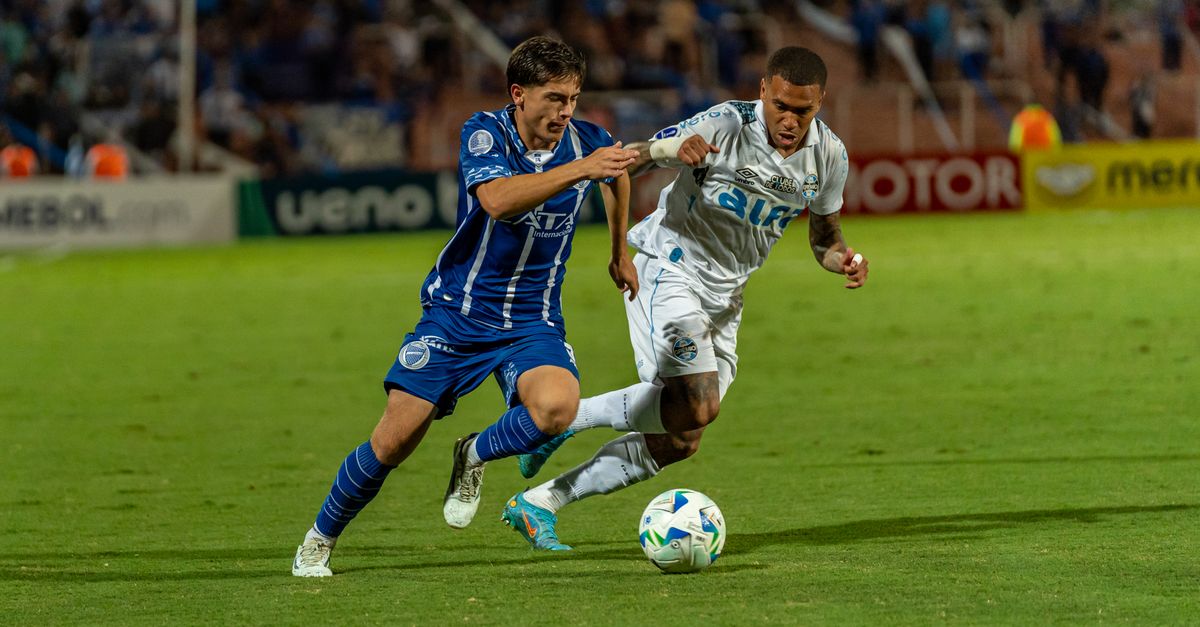 Football Explained
Why do some footballers chew gum while playing?
Chewing gum on the pitch isn’t a fashion statement – it moisturises the mouth, clears grit, eases nerves and, with caffeine‑infused varieties, can sharpen reaction times.
Read more → Football Explained
Why did Manchester City face Financial Fair Play charges?
Manchester City’s 115 FFP charges span 2009‑2018, accusing the club of inflating sponsorship revenue and dodging Premier League investigations, with penalties ranging from fines to possible points ded
Read more → Football Explained
Why is France vs Italy historically significant?
France vs Italy is historically significant due to their intense football rivalry, cultural differences, and distinct national identities, with a long history of competition on and off the pitch.
Read more → Football Explained
Why did vuvuzelas become famous in 2010?
The vuvuzela’s 2010 World Cup roar turned a South African street‑horn into a global emblem of fan passion – and controversy – that still echoes today.
Read more →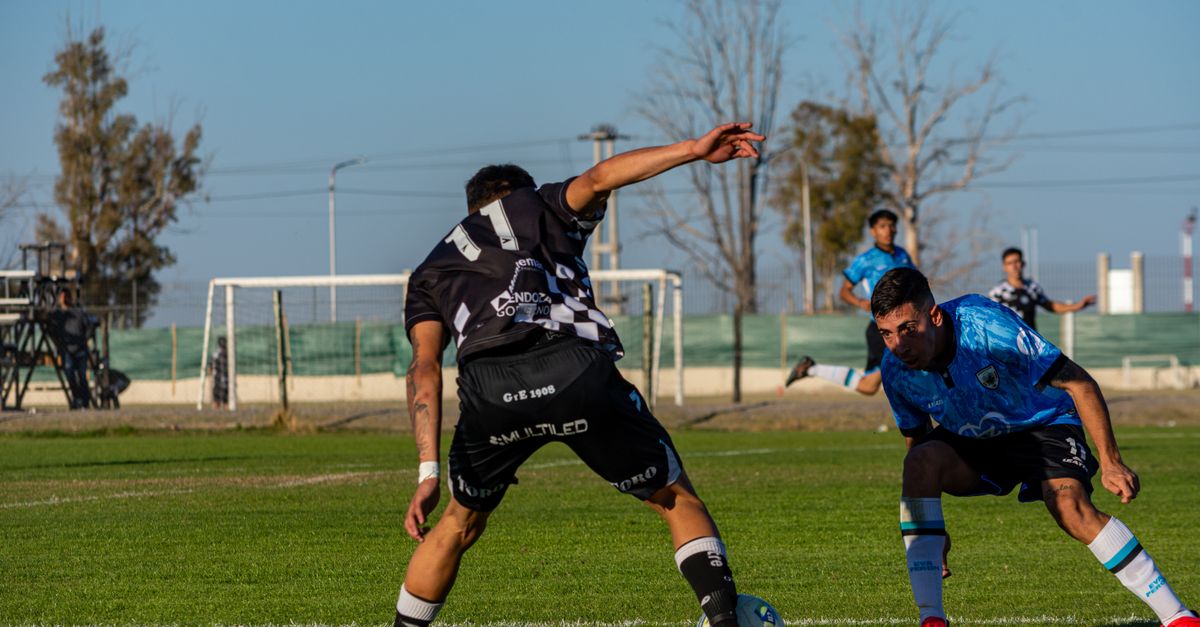 Football Explained
Why is football called "soccer" in some countries?
Football is known as soccer in the US and Canada, but why is that the case, and how did this difference in terminology come about, especially with the 2026 World Cup approaching
Read more → Football Explained
Why do World Cup balls always become iconic?
The iconic status of World Cup balls stems from bold design shifts, cutting‑edge tech and the cultural narrative each host nation weaves into a simple sphere.
Read more → Football Explained
Why do fans throw scarves in the air?
Fans throw scarves in the air to show team spirit and camaraderie, creating a sea of colors and chanting the team's anthem, a tradition that originated from practical warmth to a symbol of support.
Read more → Football Explained
Why is Everton called "The Toffees"?
Discover the origins of Everton's iconic "Toffees" nickname, tracing back to the 1700s and the area's famous toffee shops, and learn more about the club's history and culture.
Read more →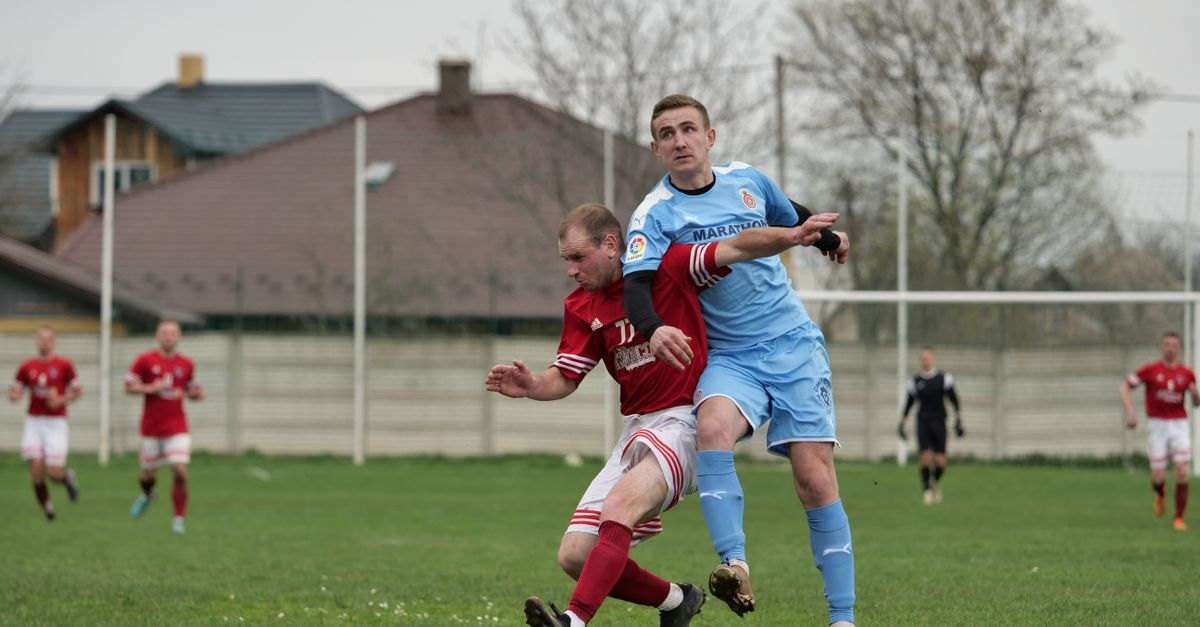 Football Explained
Why do some teams have stars on their shirts?
Teams have stars on their shirts to signify World Cup wins or continental championships, with each star representing a title won, and the tradition started with Brazil in 1970 after their third World Cup win
Read more → Football Explained
Why are football captains so important?
Football captains play a crucial role in leading their teams, making key decisions, and fostering unity, and are essential for a team's success, as they set the tone, establish goals, and motivate players.
Read more →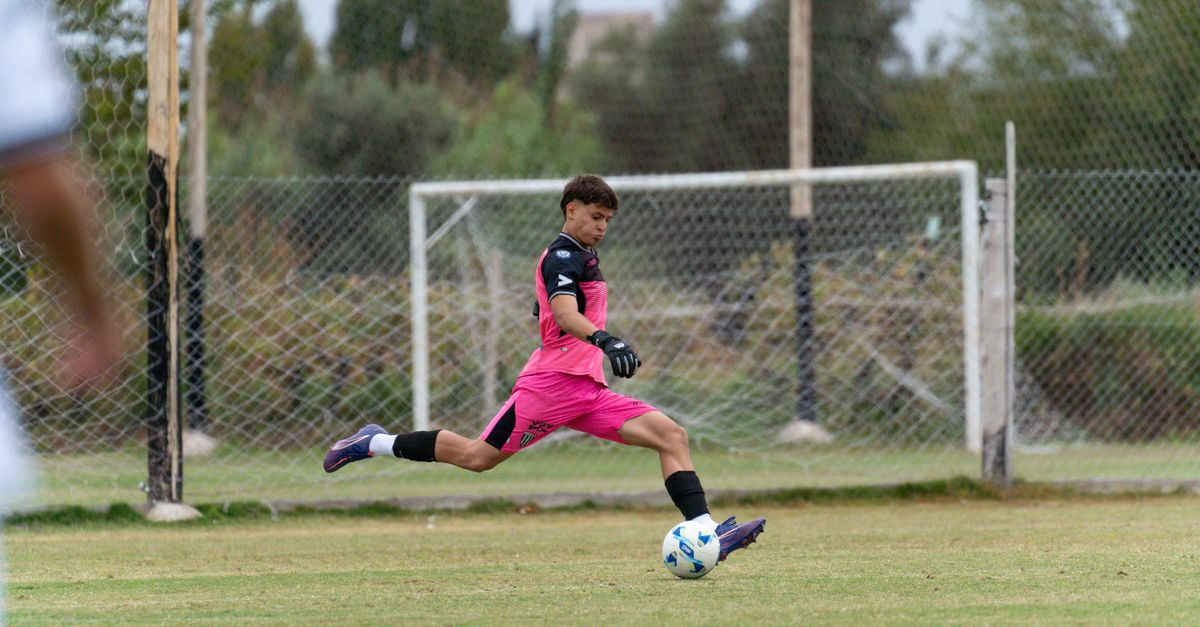 Football Explained
Why do some players succeed at one club but fail at another?
Players succeed at one club but fail at another due to various factors including team dynamics, coaching styles, and personal adaptability, with some exceling in new environments and others struggling to adjust.
Read more → Football Explained
Why do transfer rumors dominate football media?
Transfer rumours dominate football media because they feed a year‑round appetite for drama, boost traffic during quiet periods, and are often weaponised by clubs and agents for strategic gain.
Read more →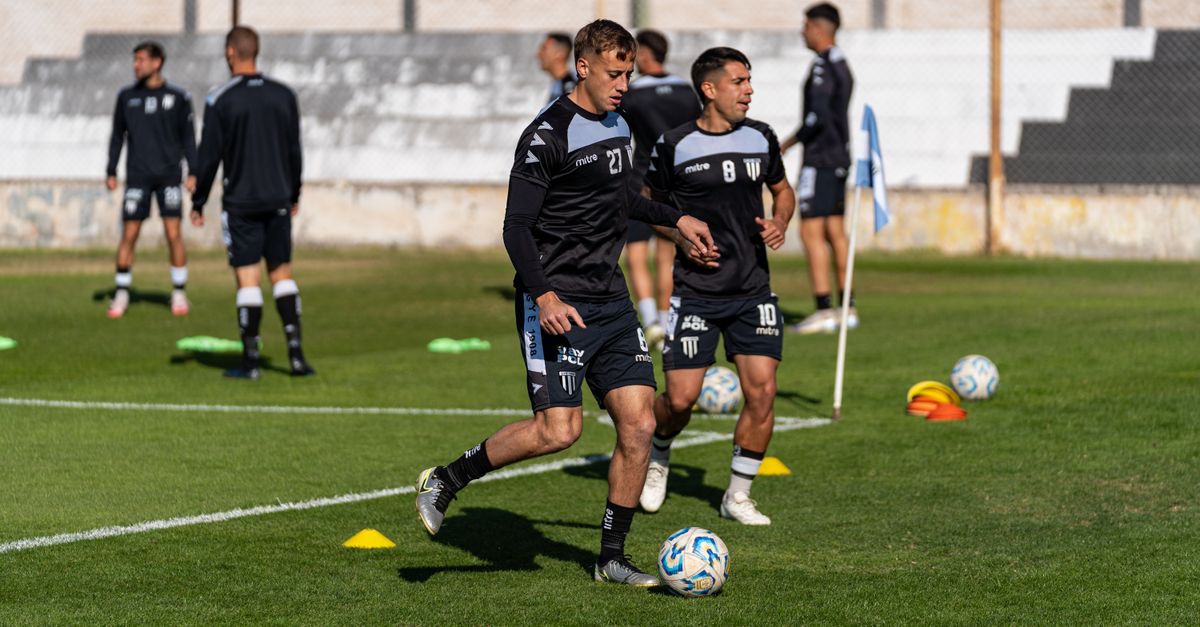 Football Explained
Why are traditional wingers becoming rare?
Traditional wingers are becoming rare in modern football due to the rise of inverted wingers and tactical shifts, with teams prioritizing ball retention and flexibility over width and crossing ability.
Read more →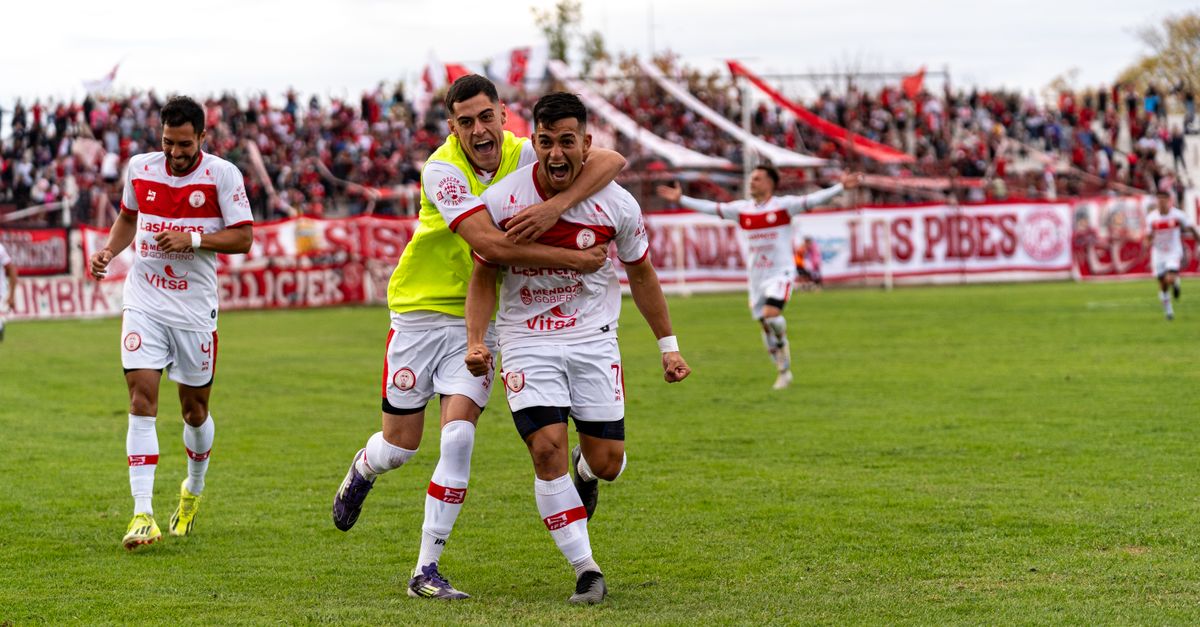 Football Explained
Why are goal celebrations sometimes punished with a yellow card?
Goal celebrations can earn a yellow card because FIFA deems certain actions “excessive” – from shirt‑removal to time‑wasting – to protect sponsors, maintain order and keep the game flowing.
Read more → Football Explained
Why are corners worth so little compared to how often they happen?
Despite averaging almost ten corners a game, only about three per cent turn into goals, leaving this frequent set‑piece with modest impact on results.
Read more → Football Explained
Why does MLS use a salary cap and designated players?
MLS caps wages to keep the league even, while the Designated Player rule lets clubs splash on a few stars – a balance that drives growth, rivalry and excitement.
Read more → Football Explained
Why was Catenaccio so successful?
Catenaccio was a successful defensive football tactic that originated in Italy, characterized by a strong emphasis on defense, man-marking, and a sweeper, which led to significant success in European competitions, particularly in the 1960s with Inter Milan.
Read more →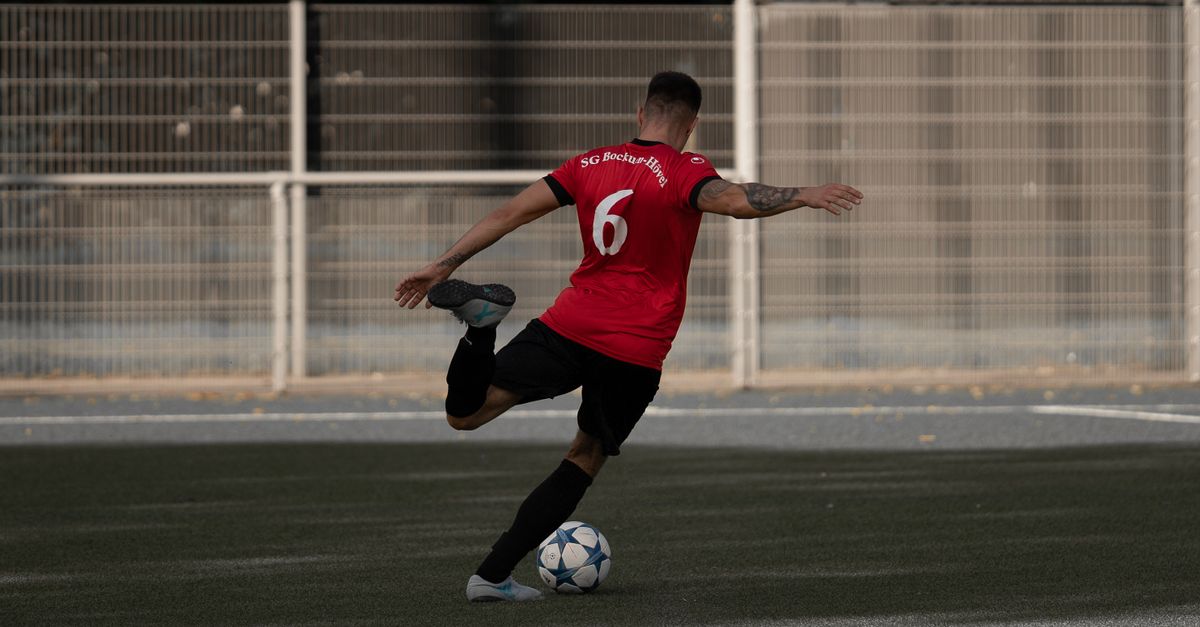 Football Explained
Why did Red Bull buy football clubs around the world?
Red Bull owns football clubs worldwide to push their brand and build a global football empire through a multi-club ownership model, starting with Austria's Salzburg in 2005 and expanding to Leipzig, New York, and more.
Read more → Football Explained
Why is the Maracanã so legendary?
The Maracanã stadium is legendary due to its rich history, massive capacity, and iconic status in Brazilian football, hosting numerous unforgettable matches, including the 1950 World Cup final and Pelé's 1000th goal, making it a must-visit destination for football fans.
Read more → Football Explained
Why do footballers cross themselves before games?
Footballers cross themselves before games as a sign of faith and to invoke God's protection, a common practice among Catholic players, with many using the gesture to bless themselves and express gratitude.
Read more →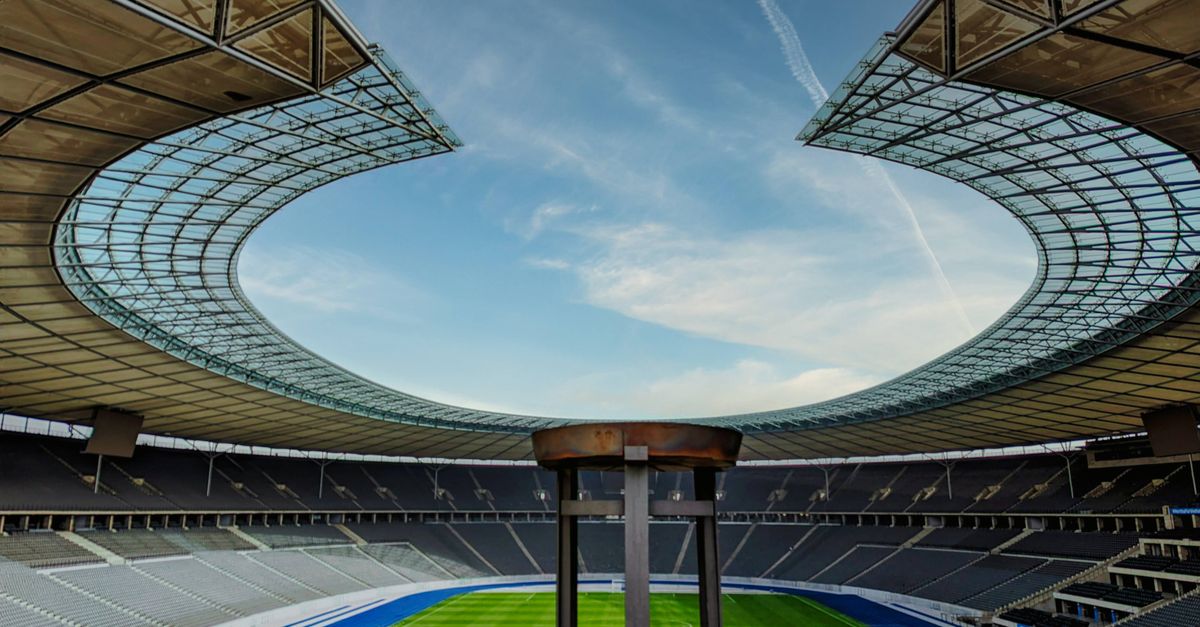 Football Explained
Why is the DFB-Pokal known for shock upsets?
The DFB‑Pokal’s open draw, early home‑ground edge for minnows and a rich tradition of “Cinderella” runs make it Germany’s most unpredictable cup.
Read more → Football Explained
Why is football called "the beautiful game"?
Football is called the beautiful game due to its unpredictability, community-building fanhood, and visually pleasing nature, with its simplicity and freedom of play making it a beloved sport worldwide.
Read more → Football Explained
Why do World Cups create national myths?
World Cups create national myths due to the intense emotions and passion invested in these events, leading to a unique blend of sports and nationalism that captivates global audiences and leaves lasting impacts on host countries.
Read more → Football Explained
Why is the Championship play-off final called the richest game in football?
The Championship play‑off final is dubbed the richest game because a single win unlocks over £200 million in TV, commercial and parachute payments for all.
Read more →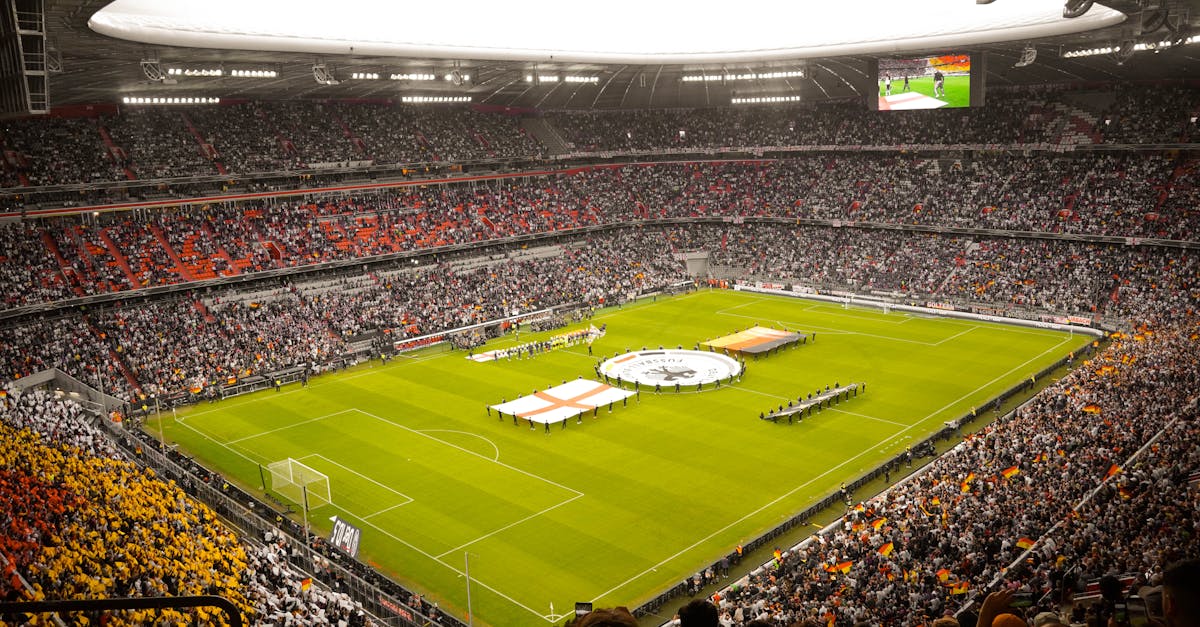 Football Explained
Why do some national teams change crests frequently while others never do?
National team crests evolve when branding, triumphs or modern design demand change, yet many stay static out of tradition and fan devotion.
Read more → Football Explained
Why is Boca's stadium called La Bombonera?
Boca Juniors' stadium is called La Bombonera due to its unique 'D' shape and steep sides, resembling a chocolate box, and is known for its intense atmosphere and rich history in Argentine football.
Read more →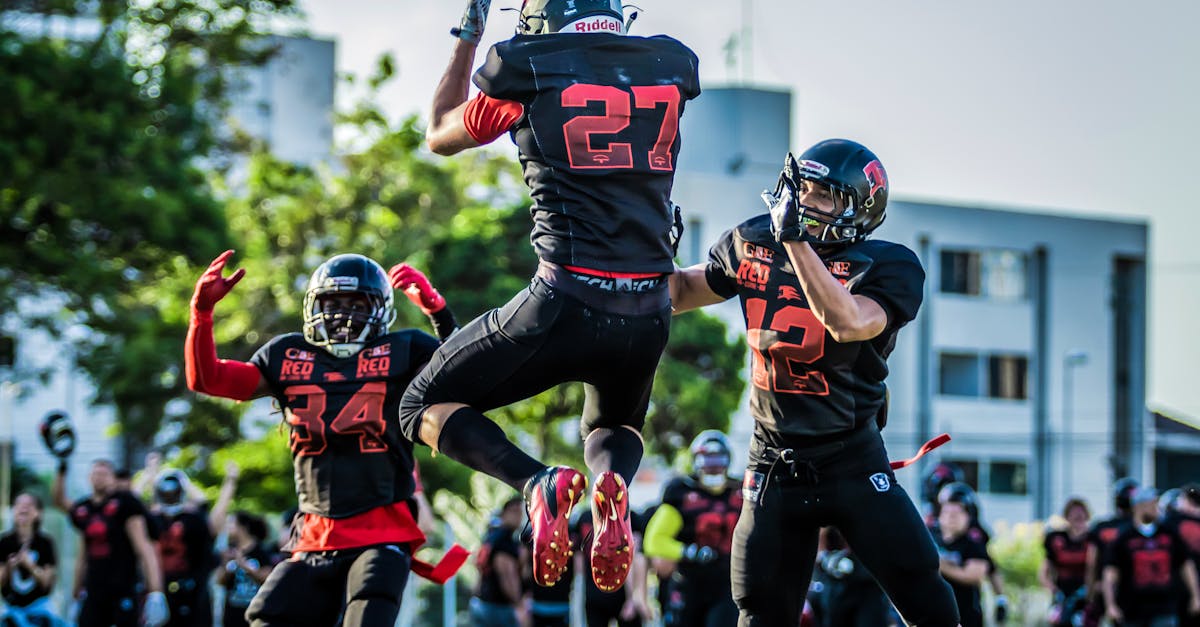 Football Explained
Why was South Korea's 2002 run controversial?
South Korea’s 2002 World Cup surge stunned the globe, but the extra‑time win over Italy and the penalty shoot‑out against Spain remain mired in refereeing disputes that still divide fans.
Read more →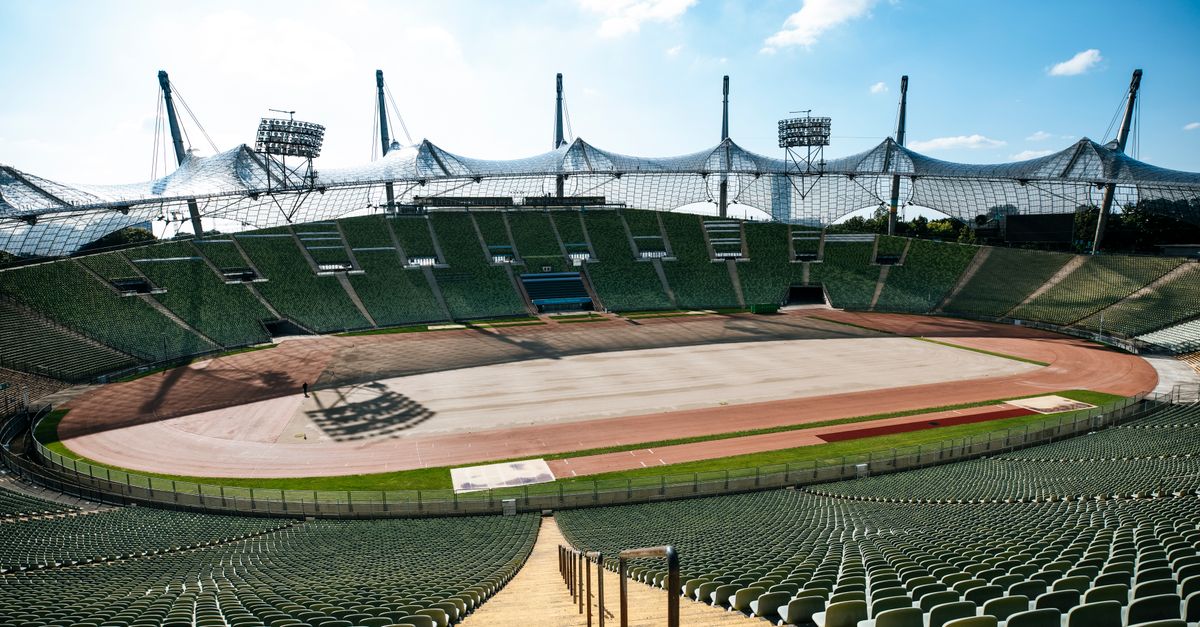 Football Explained
Why is Bayern Munich's Bundesliga dominance considered unprecedented in Europe?
Bayern’s 11‑year Bundesliga streak, unrivalled finances and 400 000 members make its dominance a European first‑class case study.
Read more → Football Explained
Why do Spanish academies produce more elite midfielders than English ones?
Spanish academies churn elite midfielders because they blend year‑round technical drills, futsal‑born improvisation and a coaching ethos that prizes possession above all.
Read more →