
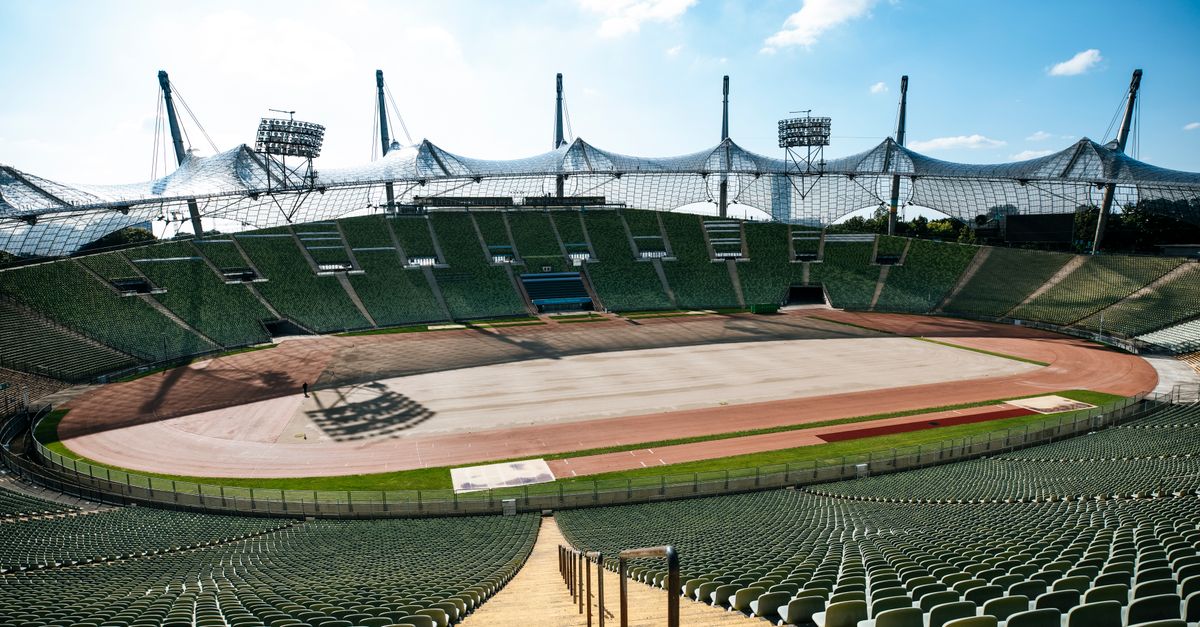
Bayern Munich have turned the Bundesliga into a showcase of relentless consistency, and the scale of that dominance has never been matched across the continent’s top leagues.
A History Written in Silverware
Founded in 1900 by eleven local players, Bayern’s first golden era arrived in the 1970s under Franz Beckenbauer, when the side claimed three consecutive European Cups (1974‑76). The modern era began in earnest after the 2005 takeover by a consortium of German corporations, which injected capital and professionalised the club’s operations. Since the 2012‑13 season, Bayern have lifted the Bundesliga trophy eleven times in a row – the longest uninterrupted run any club has achieved in Europe’s “big five” leagues. That run eclipses the likes of Juventus’s nine‑year Serie A streak (2012‑2020) and Manchester United’s 13‑year Premier League dominance (1993‑2006), not just in length but in the breadth of the gap to rivals. In 2023‑24 Bayern sat four points ahead of Dortmund, a margin that feels routine when the club routinely finishes a season with a double‑digit points cushion.
Money Talks – The Business Blueprint
The club’s financial supremacy stems from a blend of global sponsorships, a lucrative kit deal with Adidas, and a savvy media strategy that maximises match‑day and digital revenues. Bayern’s commercial turnover regularly exceeds €600 million, a figure that dwarfs most rivals in the Bundesliga and sits comfortably alongside the revenues of Real Madrid and Manchester City. The club’s 400 000 registered members – the world’s largest fan‑base by that metric – not only provide a massive voting bloc but also generate a steady stream of membership fees, reinforcing fiscal stability.
“When the balance sheet sings, the trophy cabinet follows.”
The revenue advantage translates into a transfer policy that favours buying ready‑made stars at premium prices while also investing heavily in youth development. Bayern’s academy produces talent that often graduates to the first team, reducing reliance on expensive imports and maintaining a distinct playing identity.
Geography and Competition – A Double‑Edged Sword
Germany’s footballing landscape, spread across a relatively compact region, means that most clubs lack the financial clout to challenge Bayern consistently. Even when a side like Bayer Leverkusen finishes 18 points clear of the second‑placed team, the league’s overall competitiveness remains skewed. Bayern’s dominance forces rivals into “heroics” each season, a narrative that fuels intense local derbies but rarely overturns the hierarchy.
The club’s dominance also benefits the league’s marketability abroad. International broadcasters and sponsors are drawn to the predictability of a marquee champion, which in turn boosts Bundesliga’s global footprint. For fans curious about why European clubs chase overseas markets, see our piece on Why do clubs tour Asia and America in preseason?.
The European Context – Why “Unprecedented”?
Across Europe, clubs have enjoyed periods of supremacy, yet none have combined length, financial disparity, and fan‑base size as Bayern has. Juventus, Barcelona and Bayern each boast impressive runs, but Bayern’s eleven straight titles sit atop a revenue chart that places it ahead of the English Premier League’s top five combined. Moreover, the club’s governance model – a “50+1” rule that keeps members in control while still attracting corporate investment – is unique, allowing it to grow without alienating its massive supporter base.
The synergy of history, resources and a shrewd business approach creates a feedback loop: success fuels revenue, revenue funds success, and both reinforce the club’s cultural mythos. It is this virtuous cycle that makes Bayern’s dominance not just a statistical anomaly, but a structural phenomenon.