
Football Explained
The stories behind the game — badges, rivalries, rules, traditions and the “why” of world football, explained clearly by SportCells.
 Football Explained
Why was Camp Nou built so large?
Discover why Camp Nou, home of FC Barcelona, was built to be so large, and explore its history, transformation, and significance in the world of football, with a seating capacity of 105,000.
Read more → Football Explained
What if Ronaldo Nazário had never been injured?
What if Ronaldo Nazário had never suffered the knee blows that stalled his rise? A fit R9 could have rewritten goal‑records, lifted more trophies and reshaped the GOAT debate.
Read more → Football Explained
Why is Liverpool F.C. symbol a liver bird?
The Liver Bird is a mythical creature and the symbol of Liverpool, used by Liverpool FC as a badge of identity and pride, with a history dating back to the 17th century and a design inspired by the city's coat of arms, representing the team's fighting spirit and resilience.
Read more → Football Explained
Why did Zinedine Zidane retire after a headbutt?
Zinedine Zidane retired after a headbutt in the 2006 World Cup Final due to a red card, ending his career, after an altercation with Marco Materazzi, where he headbutted the Italian defender in response to verbal insults.
Read more →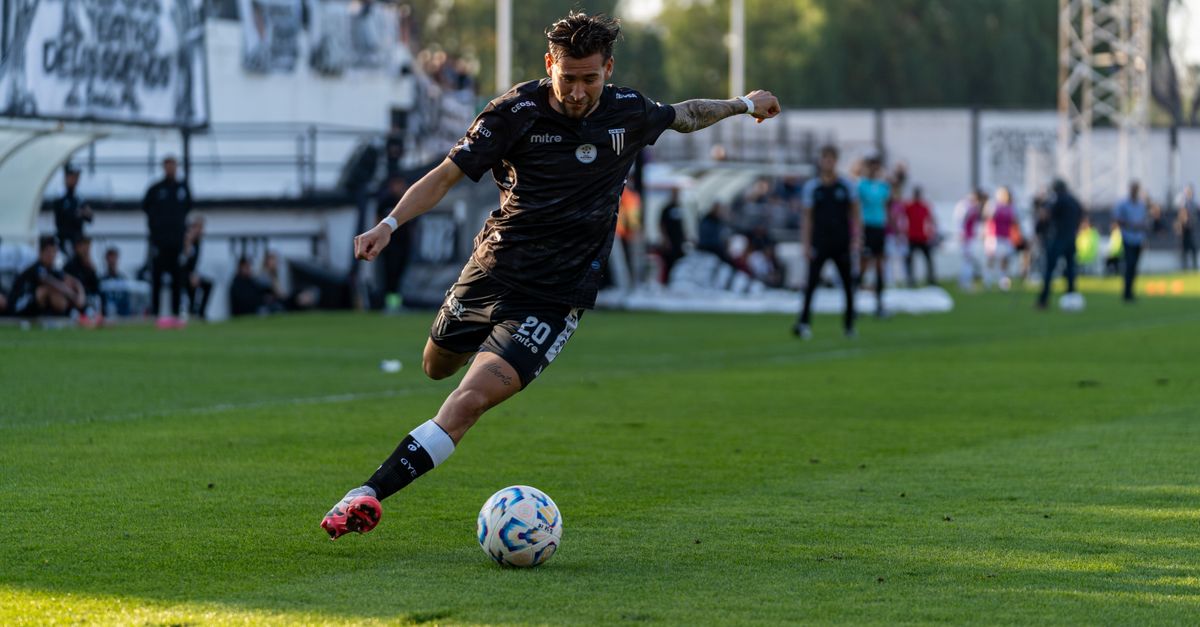 Football Explained
Why is Tottenham called "Spurs"?
Discover why Tottenham is called "Spurs", a nickname rooted in the club's history and named after Sir Henry Percy, also known as Harry Hotspur, an English nobleman from the late medieval period, with a rich football legacy.
Read more →Why did Neymar never win the Ballon d'Or?
Neymar has never won the Ballon d'Or due to a combination of factors, including injuries, lack of individual peak season, and not winning major trophies as the main man on his team, despite being a highly talented player.
Read more →Why was Neymar's transfer the most influential transfer ever?
Neymar’s €222 million move to PSG in 2017 shattered the transfer ceiling, rewrote player valuation, and set a new commercial benchmark that still reverberates across world football.
Read more →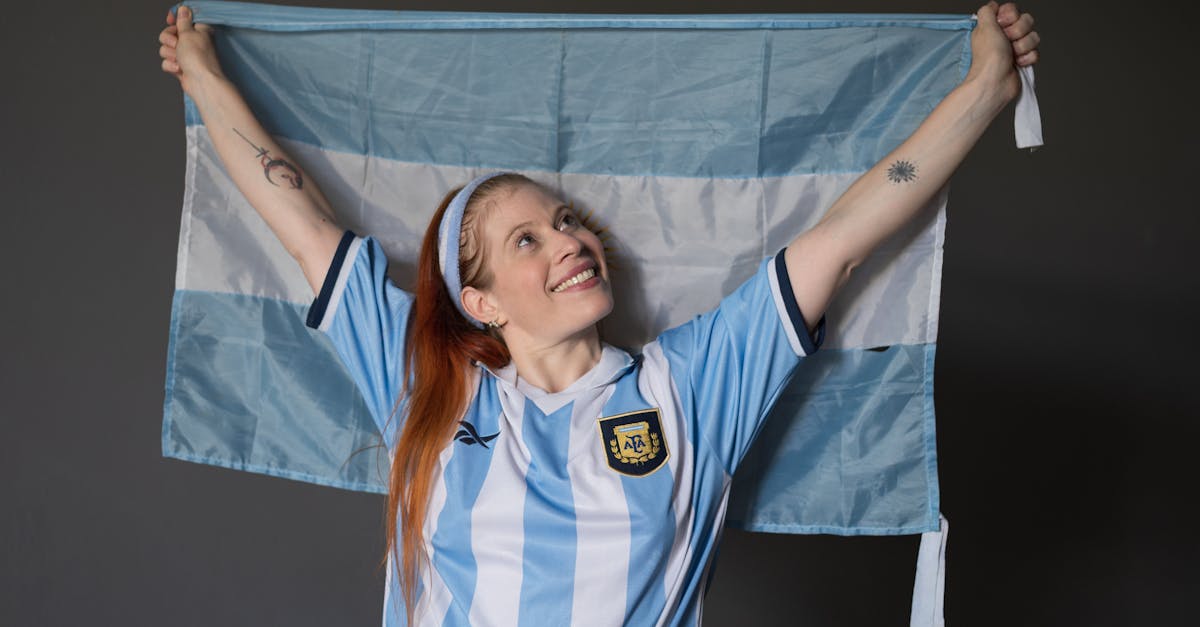 Football Explained
Why did the 2019 Women's World Cup final break TV viewership records?
The 2019 Women’s World Cup final smashed TV records – 82 million watched live, 1.12 billion tuned in overall, out‑shining the men’s final and signalling a cultural shift.
Read more → Football Explained
Why is Ajax called "The Sons of the Gods"?
Ajax is called "The Sons of the Gods" due to its namesake, Ajax the Great, a hero in Greek mythology and grandson of Zeus, making the team a part of a rich historical and mythological legacy, with its name reflecting the educational aspirations of its founders.
Read more →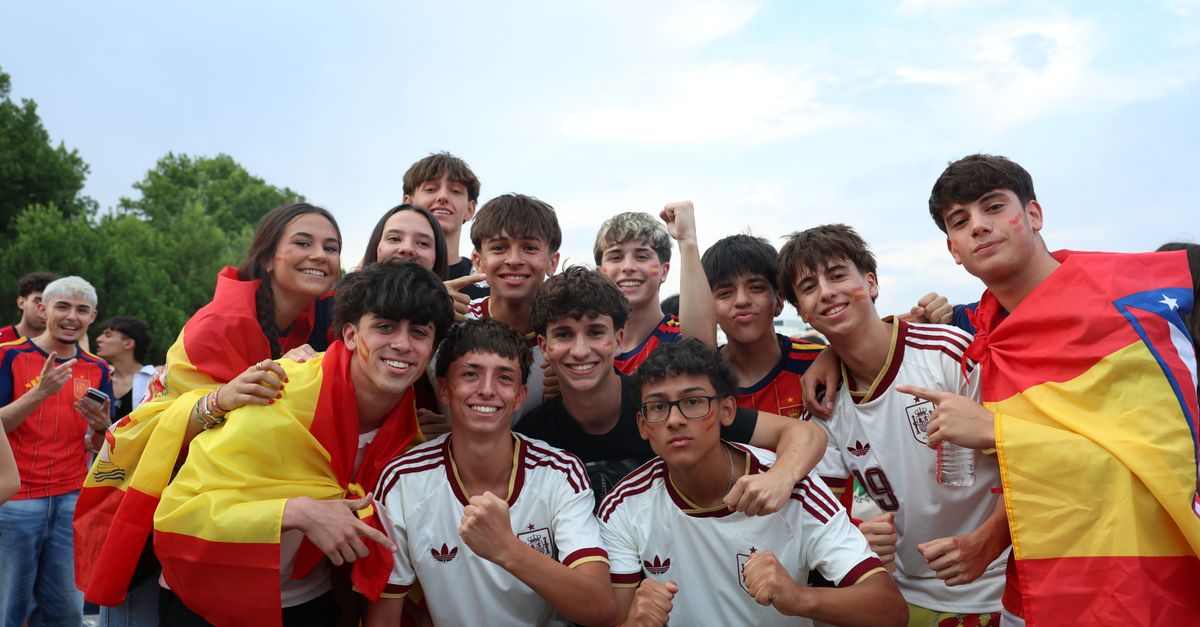 Football Explained
Why did Spain's tiki-taka peak in 2010?
Spain’s 2010 World Cup triumph marked the zenith of tiki‑taka, a possession‑driven philosophy honed since 2006 that turned technical finesse into three straight titles.
Read more → Football Explained
Why is football religion-like in South America?
Football in South America feels like a faith, where saints wear cleats, rituals replace prayers and every match becomes a communal rite of identity for all.
Read more →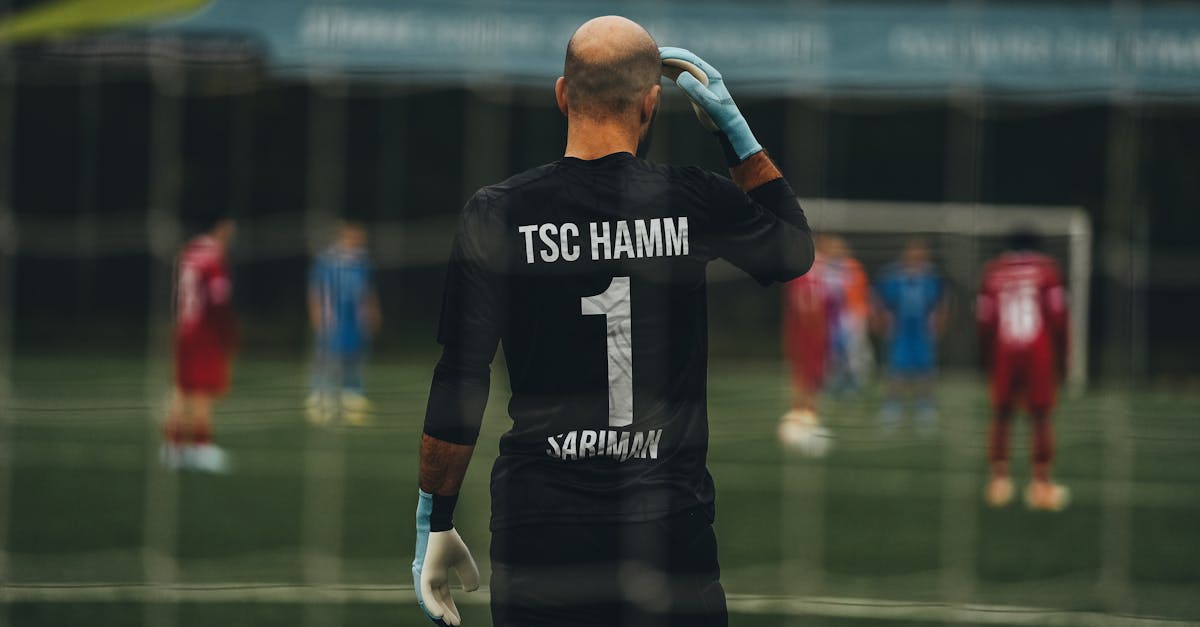 Football Explained
Why do modern goalkeepers act as playmakers?
Modern goalkeepers act as playmakers due to their increased involvement in build-up play, tactical decision-making, and ball-handling skills, altering a team's entire style of play.
Read more → Football Explained
Why did the Lionesses' Euro 2022 win change English football forever?
The Lionesses’ Euro 2022 triumph rewrote England’s football script, sparking record attendances, a surge in investment and a cultural shift that will echo for generations.
Read more →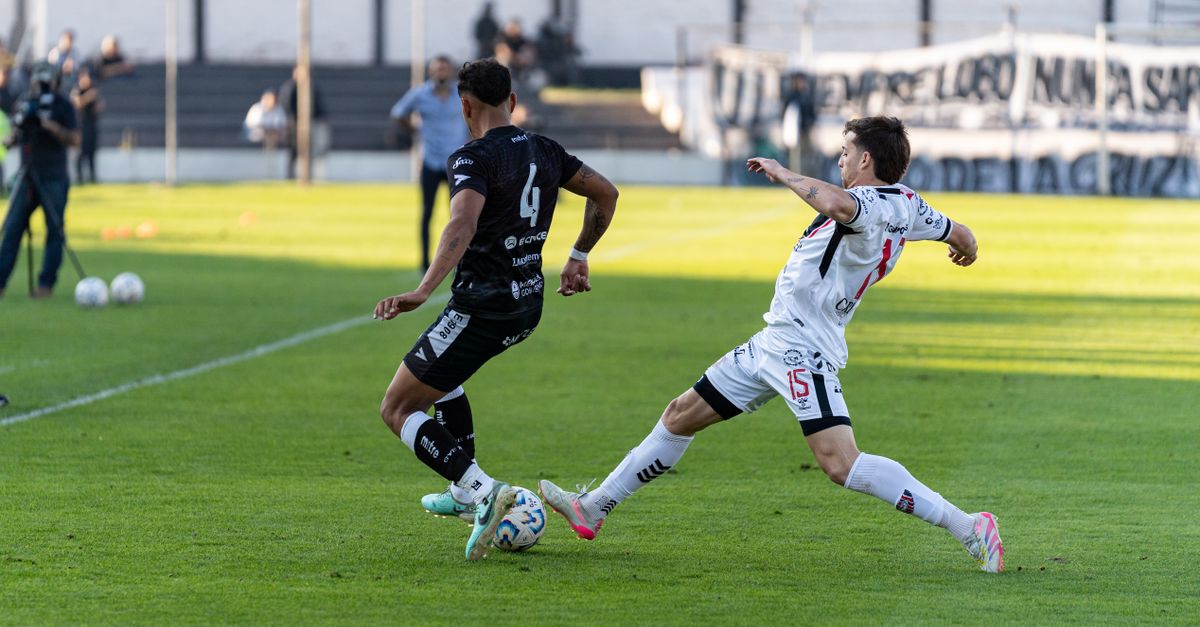 Football Explained
Why does Croatia overperform at World Cups?
Croatia’s World‑Cup punch‑outs stem from a football‑obsessed culture, elite youth academies and a nation that turns every match into a rally for pride.
Read more → Football Explained
Why is the Real Madrid vs Atlético Madrid derby so intense?
The Madrid derby’s fire stems from a century‑old clash of class, politics and on‑field defiance, turning every Real‑Atlético meeting into a city‑wide showdown.
Read more →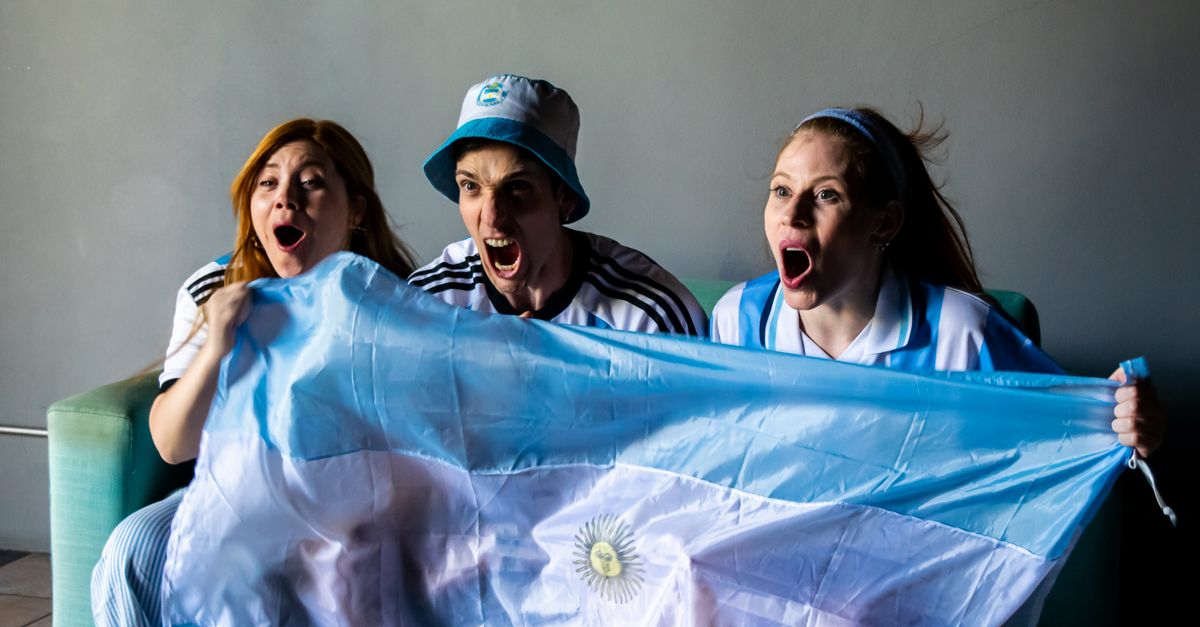 Football Explained
Why do South American fans use so many drums?
South American supporters flood stadiums with thunderous drums, a cultural rhythm that fuels unity, passion and an unrivalled match‑day atmosphere.
Read more → Football Explained
Why did East Germany and West Germany have separate national teams?
East Germany and West Germany had separate national teams due to the country's division after World War II, resulting in a distinct football rivalry that lasted from 1949 to 1990, with the two teams meeting only once in the 1974 FIFA World Cup.
Read more →Why did Diego Maradona become a saint-like figure in Naples?
Diego Maradona’s spell at Napoli turned a struggling club into champions, gave a city battling poverty a mythic hero and forged a saint‑like cult that still pulses through Naples today.
Read more → Football Explained
Why is Morocco vs Algeria considered one of Africa's biggest rivalries?
Morocco vs Algeria is considered one of Africa's biggest rivalries due to their complex history, geopolitical tensions, and cultural heritage, making their football matches highly anticipated and intense, with both countries competing for influence in Africa and beyond.
Read more →Football ExplainedWhy did transfer fees explode after 2017?
Transfer fees exploded after 2017 as Neymar’s €222 million PSG move reset the market, prompting clubs to align prices with soaring revenues and the commercial value of elite talent.
Read more → Football Explained
Why do some clubs have a third kit every season?
Clubs unveil a third kit each season not just to dodge colour clashes, but to spark creativity, boost revenue and deepen fan culture.
Read more → Football Explained
Why was the World Cup held in Qatar during winter?
The 2022 FIFA World Cup in Qatar was held during winter to avoid extreme summer temperatures, becoming the first World Cup to take place in November and December, and marking a historic shift in the tournament's schedule.
Read more → Football Explained
Why did some players refuse to cut their hair?
Some players keep their locks not for fashion but to honour heritage, protest rules, or wield superstition as a silent bargaining chip on the pitch.
Read more →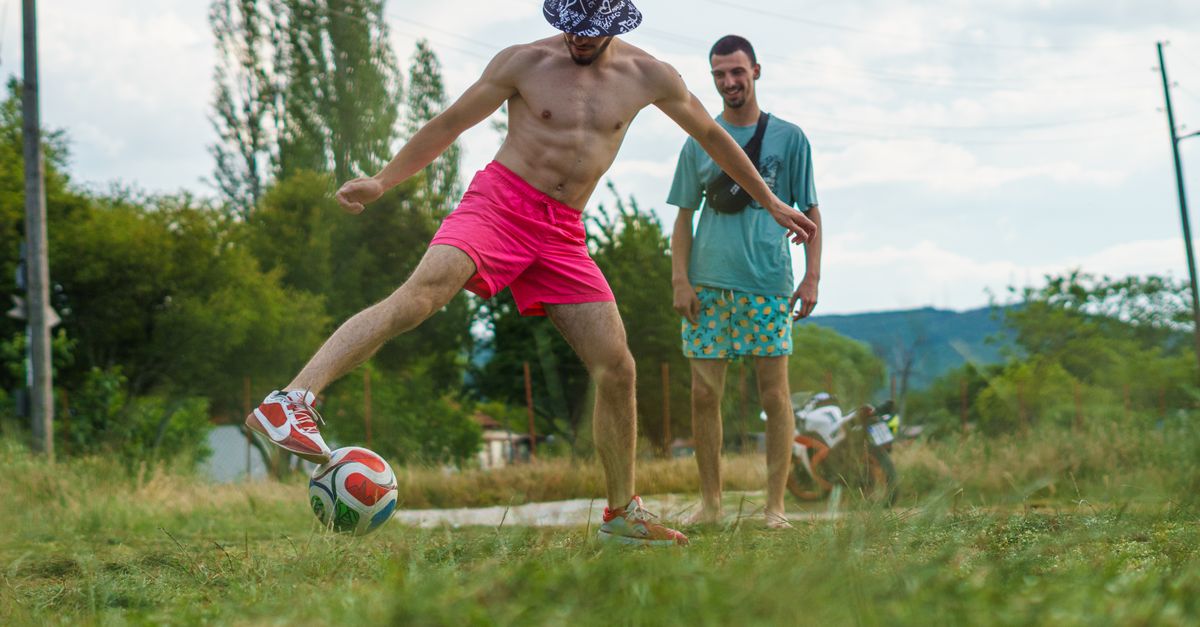 Football Explained
Why is a hat-trick called a hat-trick?
A hat-trick is when a player scores three goals in one game, but where did the term come from? The origins of the term "hat-trick" are rooted in cricket, where a player who took three wickets in a row was awarded a new hat, and has since been adopted by other sports, including football.
Read more →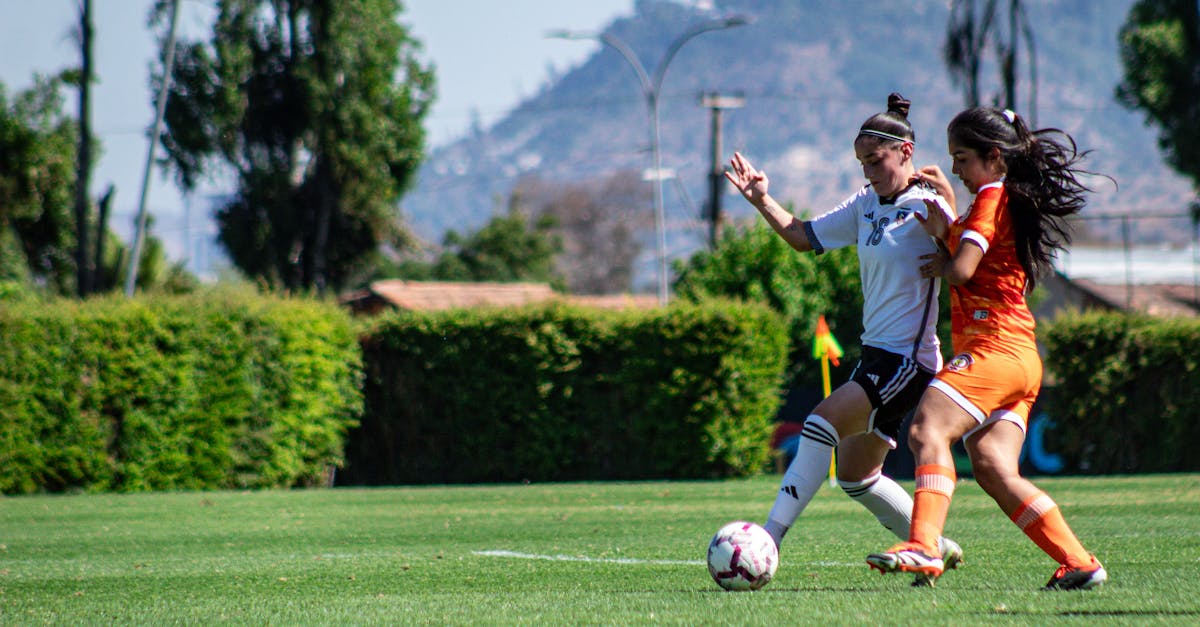 Football Explained
Why did England ban women's football for decades?
The FA’s 1921 ban on women’s football, driven by dubious health claims and profit fears, silenced a thriving sport for half a century.
Read more →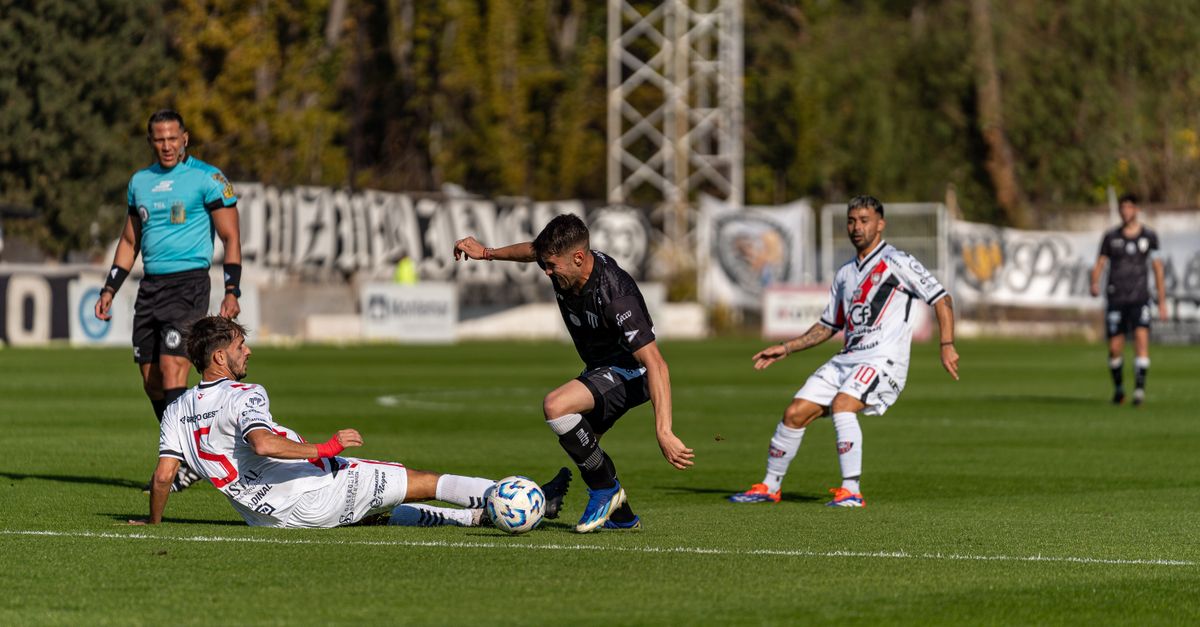 Football Explained
Why did a war once pause for a football match?
A war once paused for a football match during the 1914 Christmas Truce, where British and German soldiers put down their weapons and played an impromptu game of football in no-man's land, exchanging gifts and taking photographs.
Read more →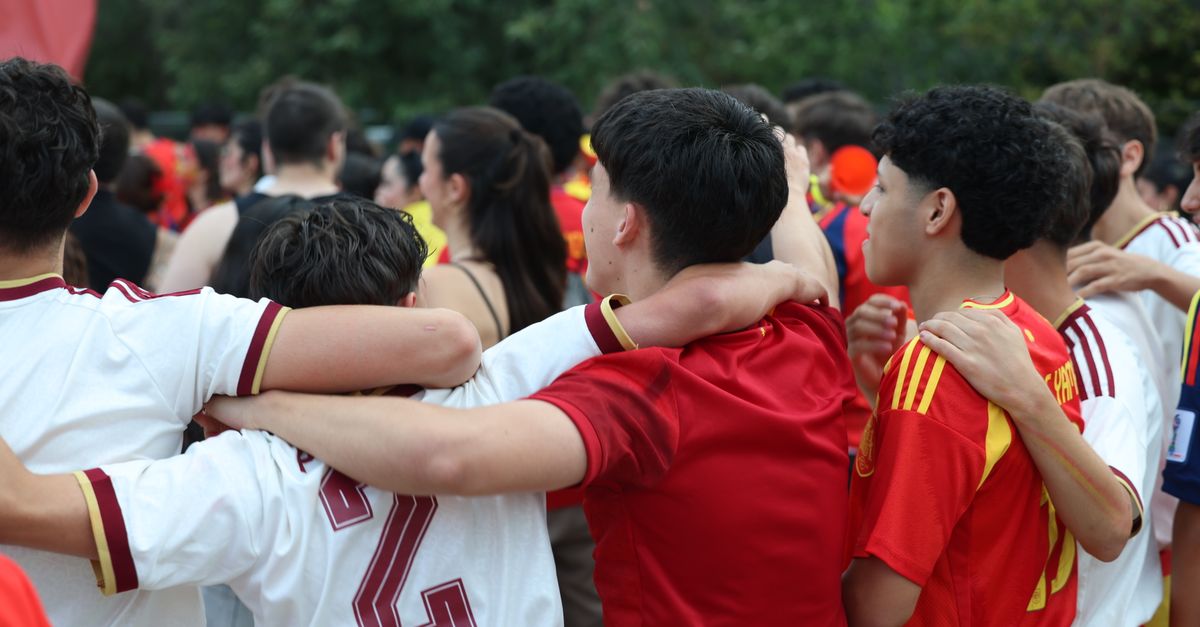 Football Explained
What if Messi had chosen Spain instead of Argentina?
Lionel Messi could have played for Spain but chose Argentina, potentially altering his and Spain's football fortunes, with some believing they would have won multiple World Cups with him.
Read more →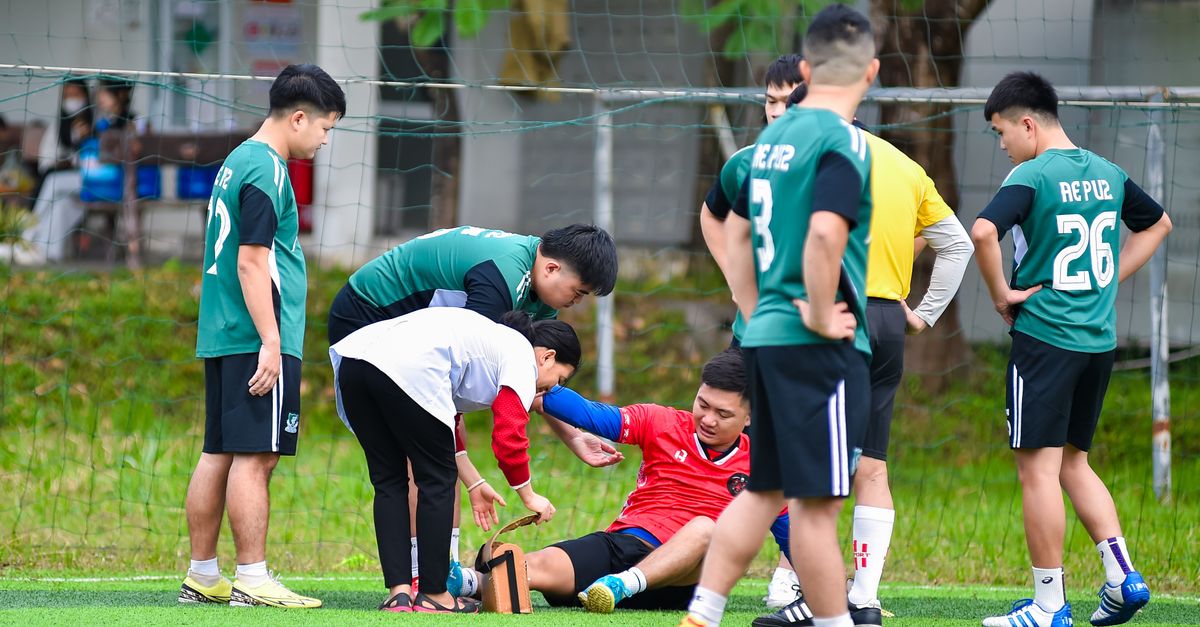 Football Explained
Why do some players avoid injuries while others can't?
Some players dodge the injury list thanks to genetics, elite conditioning and mental habits, while others fall prey to fatigue, past trauma and lax preparation.
Read more → Football Explained
What if the Super League had replaced the Champions League?
The Super League would have turned Europe’s elite clubs into a closed‑shop, reshaping the Champions League’s open‑draw DNA forever.
Read more →Why does Lionel Messi kiss his fingers after scoring?
Lionel Messi kisses his fingers after scoring as a tribute to his family, specifically his father and grandmother, to show love and appreciation for their support in his football career.
Read more →