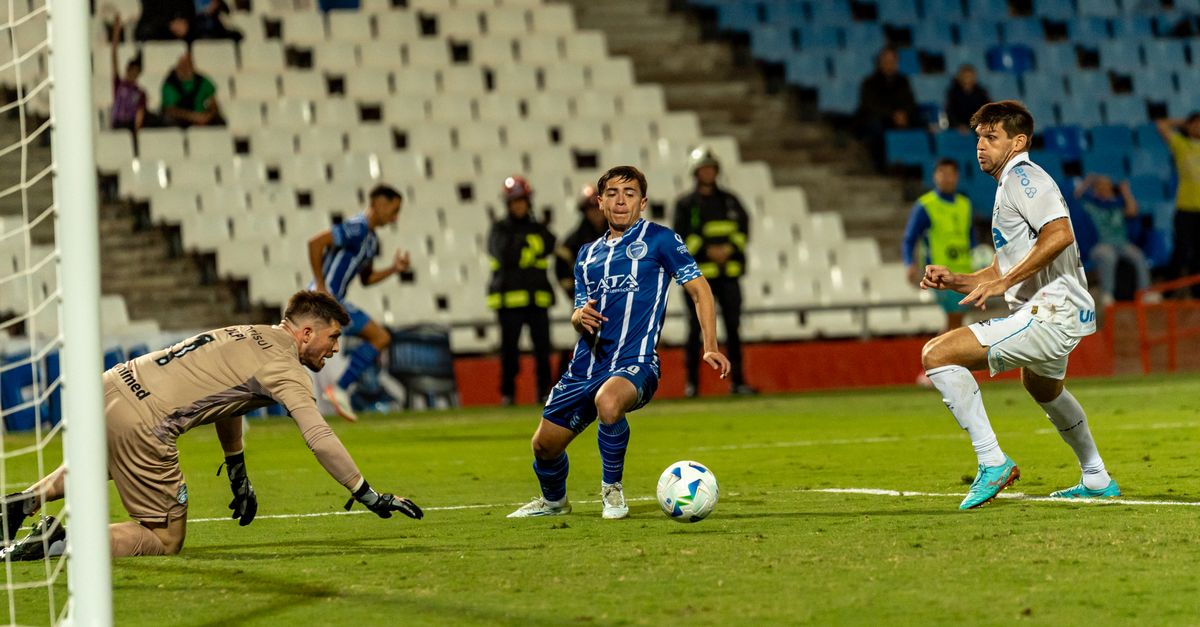
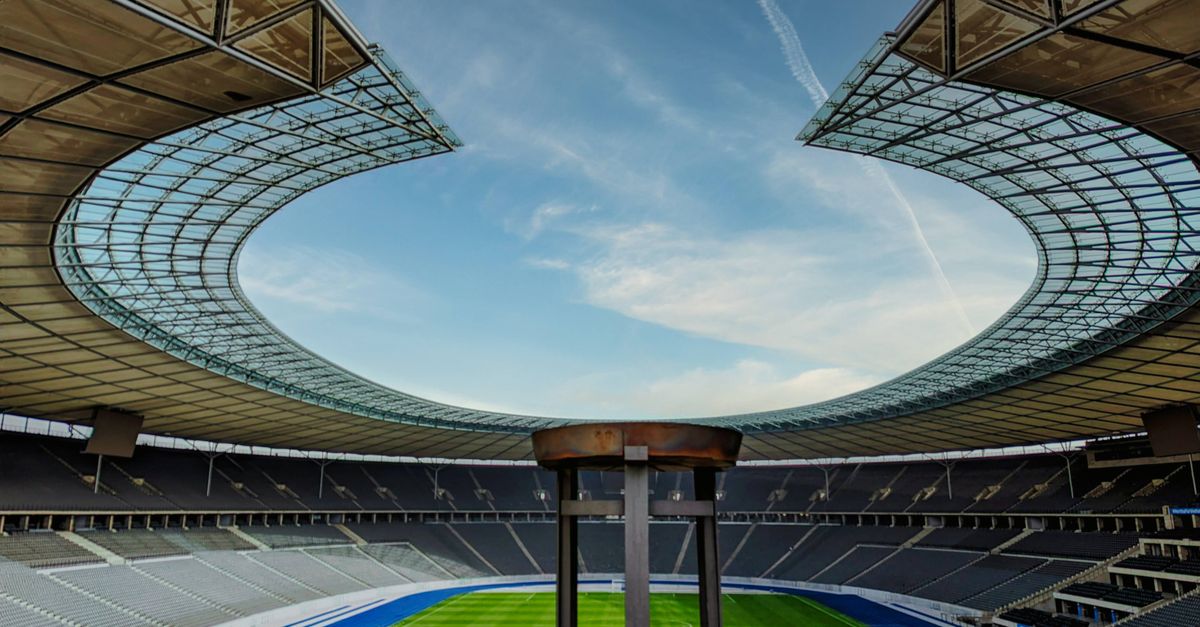
From the first whistle the German cup feels like a lottery – a Bundesliga giant can be knocked out by a village side on a rain‑slicked pitch, and fans never know which match will become folklore.
The structure that levels the playing field
The DFB‑Pokal is a single‑elimination tournament. Since 1974 amateur clubs have been admitted alongside the professional ranks, meaning a third‑division side can draw a Bundesliga champion in the first round. The draw is deliberately random, with the only safeguard that the lower‑tier team hosts the match if their stadium meets minimum standards. This policy gives the underdog a familiar pitch, a vocal local crowd and often a tactical edge – a factor that has repeatedly turned the tide against wealthier opponents.
Home‑field advantage and the “Cinderella” narrative
German regional cup winners, many of them semi‑professional outfits, earn their place in the national draw. When they host a top club, the atmosphere can be electric: travelling fans are outnumbered, the grass may be uneven, and the host often adopts a defensive block that frustrates technically superior opponents. The psychological pressure of avoiding an embarrassing defeat has led to numerous instances where the favourite underestimates the opponent, only to be humbled by a disciplined, counter‑attacking display.
“A single goal on a tiny pitch can rewrite a club’s history.”
The 1974 second‑round clash between Hamburger SV and VfB Eppingen epitomises this. Eppingen, a modest amateur side, stunned the former European champions 2‑1, a result still referred to in German as Die Mutter aller Pokalsensationen – the mother of all cup sensations. That match set the template for future upsets and cemented the cup’s reputation for drama.
From amateur miracles to professional parity
Before the introduction of the 3. Liga in 2008, only the top two divisions were fully professional. The creation of a nationwide third tier added another layer of quality, turning many former “amateur” clubs into professional outfits capable of competing on equal footing. Yet the spirit of surprise endures; the cup has seen over 20 different winners, a far broader spread than the Bundesliga’s handful of dominant clubs. Bayern Munich, the most successful club in the tournament’s history, still faces the ever‑present threat of a lower‑league side pulling off a shock, a narrative that keeps the competition fresh each season.
Why the DFB‑Pokal remains a breeding ground for legends
The cup’s allure is not merely structural. German football culture celebrates the underdog, and regional cup victories are treasured community achievements. When a small club reaches the later stages, the media spotlight and financial windfall can transform its fortunes. This cultural reverence for “giant‑killing” fuels ambition, ensuring that even the most established teams approach each tie with respect.
For a deeper look at how knockout formats shape football mythos, see our piece on the Champions League anthem and the psychological pressure of penalty shootouts.