
Football Explained
The stories behind the game — badges, rivalries, rules, traditions and the “why” of world football, explained clearly by SportCells.
 Football Explained
Why is Messi compared to Maradona?
Lionel Messi is compared to Diego Maradona due to their similar playing styles and achievements, with both being considered among the greatest football players of all time, and their contributions to the Argentine national team.
Read more → Football Explained
Why do political protests happen inside stadiums?
Stadiums double as megaphones for dissent because their crowds, history and media spotlight turn a match‑day into a stage for politics.
Read more → Football Explained
Why do football matches last 90 minutes?
Football matches last 90 minutes due to a combination of historical and practical reasons, with the duration first agreed upon in 1866 between London and Sheffield, and has since become the standard for the sport, allowing for a well-timed match that lasts around 2 hours, including stoppage time and breaks.
Read more → Football Explained
Why is the offside rule so complicated?
The offside rule in football is complicated due to its nuances and requirements, making it difficult for officials to enforce and players to understand, but it's essential for maintaining a fair and exciting game, as seen in the FIFA World Cup 2026 and explained in our Football Explained series.
Read more → Football Explained
Why do clubs loan players so often?
Clubs send players on loan far more often than fans realise. It isn’t just a stop‑gap; it’s a calculated move that shapes careers, balances books and even…
Read more → Football Explained
Why is Aston Villa considered one of English football's founding clubs?
Aston Villa’s 1874 birth, William McGregor’s league‑founding push and 1992 Premier League entry cement its status as a cornerstone of English football.
Read more → Football Explained
Why did football help unite post-apartheid South Africa?
Football turned South Africa’s divided pitches into shared ground, letting a nation emerging from apartheid discover a common rhythm and pride.
Read more → Football Explained
Why are Premier League TV rights worth so much?
Premier League TV rights fetch billions because Sky's 1992 gamble built a brand, driving sky‑high fees that fuel club spending and fan obsession worldwide.
Read more → Football Explained
Why did Dutch Total Football change the game?
Total Football turned the Dutch side into a living chessboard, forcing every player to swap roles, reshaping tactics, pressing and positional play for generations today.
Read more →Football ExplainedWhy was Uruguay the first football superpower?
Uruguay’s sky‑blue shirts became the first global football standard, thanks to Olympic golds in 1924‑28 and the inaugural World Cup win at home in 1930.
Read more → Football Explained
Why are football stadiums often called "cathedrals"?
Football stadiums earn the nickname “cathedrals” for their grand architecture, communal rites and the way they enshrine club history like sacred relics.
Read more → Football Explained
Why are giant tifos so important to ultras?
Giants tifos give ultras a canvas for collective passion, turning stadiums into living murals that rally fans, intimidate rivals and cement identity.
Read more →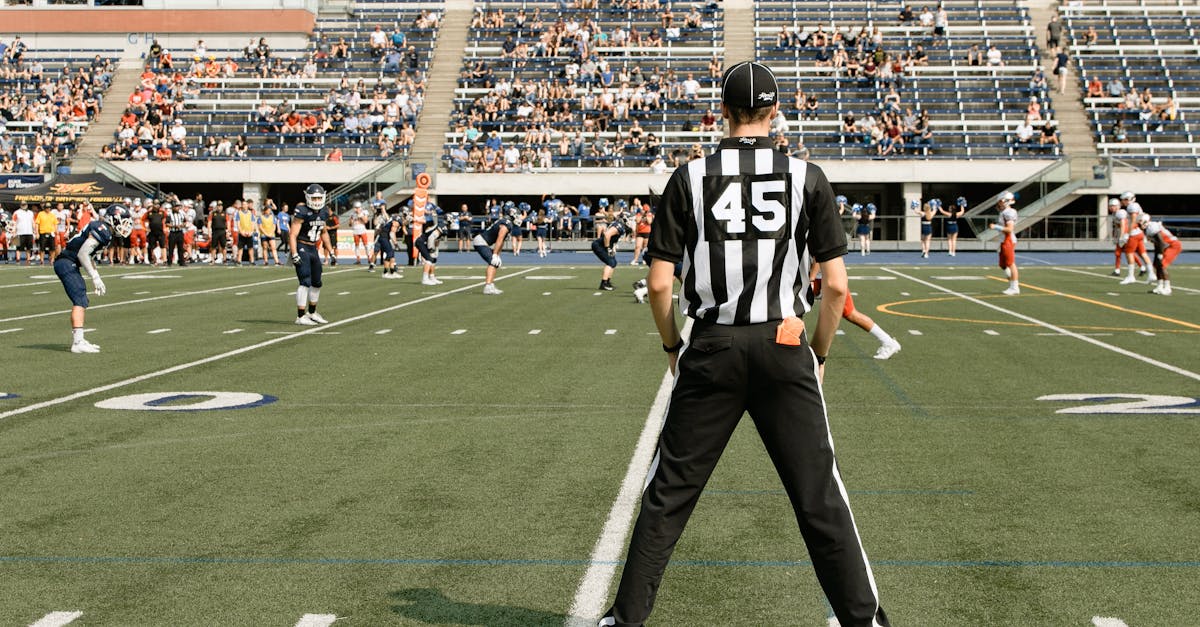 Football Explained
Why do home crowds influence referees?
Home supporters tip the scales: crowd noise creates subconscious pressure on officials, swaying yellow‑cards and calls – a bias revealed by pandemic data.
Read more → Football Explained
What if Argentina had lost the 1986 quarterfinal?
What if Maradona’s “Hand of God” never lifted Argentina past England in 1986? A lost quarter‑final would have reshaped a nation’s myth, England’s fortunes and the very story of modern football.
Read more → Football Explained
Why do many players pray before matches?
Players kneel, clasp hands, or form prayer circles before kickoff – a ritual that began in the NFL in 1990 and now echoes across stadiums worldwide, blending faith, focus and sportmanship.
Read more → Football Explained
Why do some teams use a short corner routine?
Short corners let possession‑focused sides slip past zonal blocks, using a quick pass to the “golden zone” and turning set‑pieces into fluid attacks.
Read more → Football Explained
Why do players wear black armbands?
Players wear black armbands to mourn the death of a team member, staff, or legend, as a sign of respect and tribute to the deceased and their family.
Read more → Football Explained
Why do football clubs employ data analysts?
Clubs hire data analysts to turn numbers into on‑pitch advantage, from fine‑tuning fitness to spotting undervalued talent and rivals in a data‑driven era.
Read more → Football Explained
Why do footballers retire younger than athletes in some sports?
Footballers hang up their boots in their mid‑30s because the game's relentless sprint‑and‑tackle rhythm, injury‑laden calendar and early‑peak physiology clash with long‑term health and financial plann
Read more → Football Explained
Why do some clubs have famous entrance songs?
Famous entrance songs turn a football stadium into a theatre, forging identity, rallying supporters and sending a bold message to opponents.
Read more → Football Explained
Why do some stadiums have one stand more famous than the others?
Some stadium stands become legends because history, architecture, and branding intertwine, turning a simple tier of seats into a club’s living identity.
Read more → Football Explained
Why did Croatia become a football powerhouse despite its small population?
Croatia became a football powerhouse despite its small population due to its strong youth academies, talented players, and a deep-rooted passion for the sport, allowing them to consistently compete with global giants.
Read more → Football Explained
Why do elite players recover so quickly?
Elite footballers bounce back faster thanks to scientific training, bespoke nutrition, cutting‑edge recovery tools and a season‑long load‑management plan.
Read more → Football Explained
Why is football less popular in the United States than elsewhere?
Football’s foothold in the U.S. is shallow, squeezed by a century‑old love for gridiron, media habits and a market that rewards repeat triumphs.
Read more →Why is Franz Beckenbauer called "Der Kaiser"?
Franz Beckenbauer is called "Der Kaiser" due to his imperious playing style and dominance on the field, with the nickname also possibly originating from a photo of him next to a bust of Kaiser Franz-Joseph I or his impressive performance against Schalke in 1969.
Read more →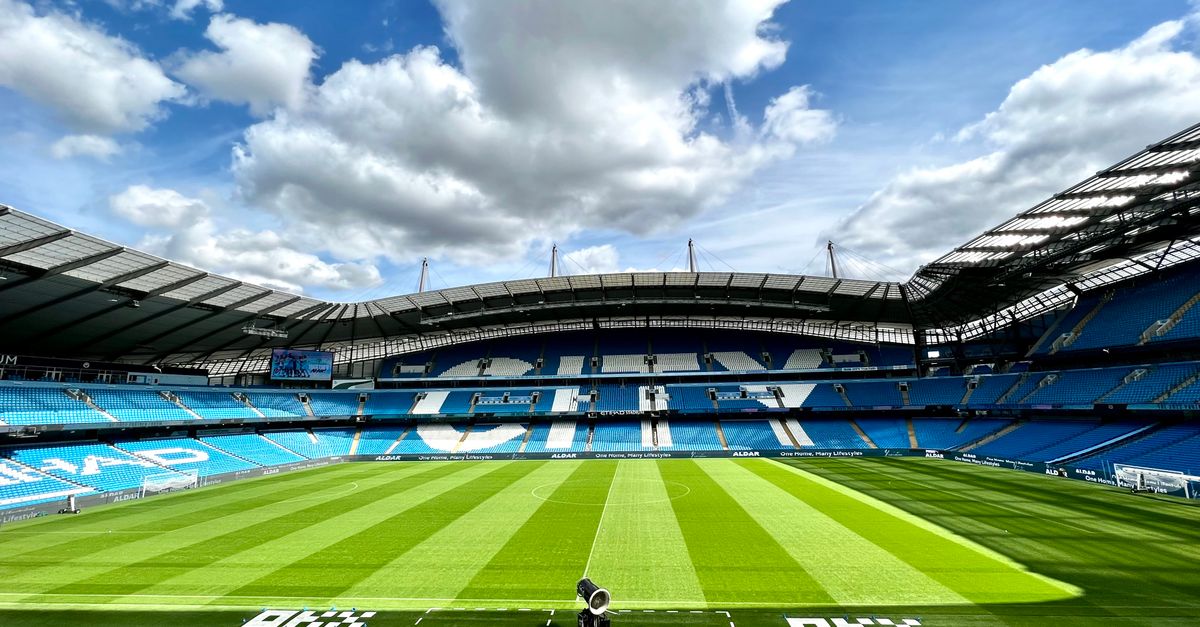 Football Explained
Why do some clubs have stadium tours that feel like museums?
Stadium tours double as living museums, blending history, artefacts and interactive displays to turn a match‑day venue into a cultural showcase for fans.
Read more → Football Explained
Why is Manchester City called "The Citizens"?
Manchester City is called "The Citizens" due to a twist on their name, giving a title to their supporters, and is also known as the "Sky Blues" due to their home jersey colour, with the nickname having a deeper meaning as a slight dig to Manchester.
Read more →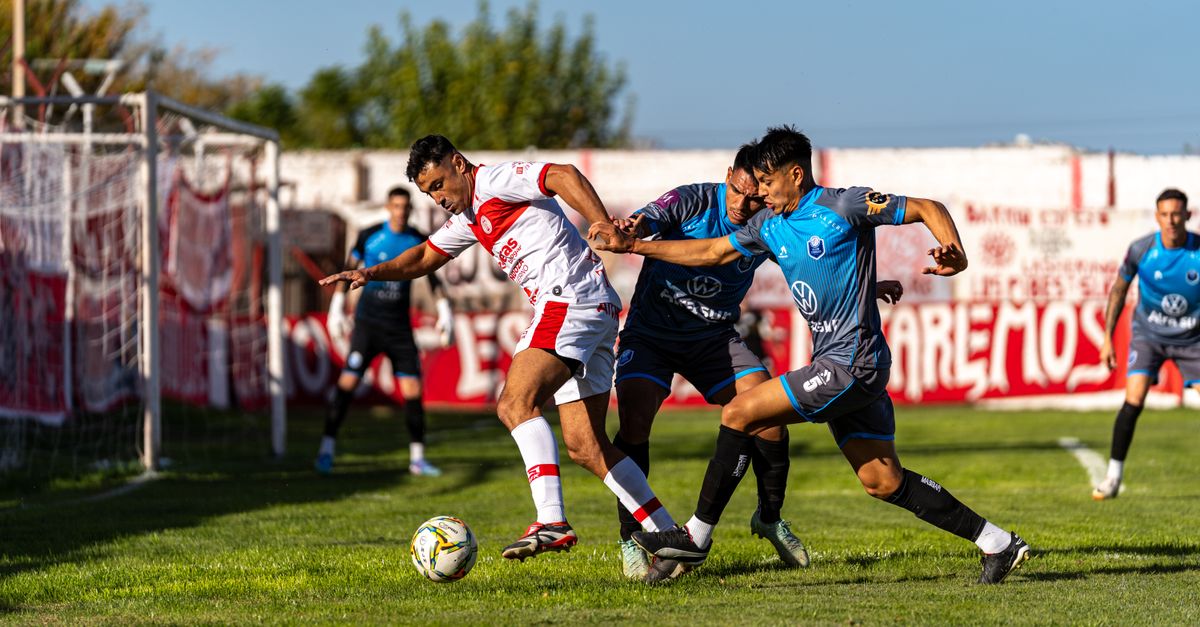 Football Explained
Why do some countries excel in certain positions?
Some nations dominate specific roles because their schools, leagues and culture mould the physical and tactical traits needed for those positions today.
Read more → Football Explained
Why is Arsenal's "Invincibles" unbeaten season considered so rare?
Arsenal’s 2003‑04 “Invincibles” went 38 league games unbeaten – 26 wins, 12 draws – a feat untouched in modern English football and a record 49‑match unbeaten run that still haunts rivals.
Read more → Football Explained
Why does the USWNT dominate the Women's World Cup?
The USWNT’s unrivalled World Cup record stems from Title IX‑driven college growth, a deep youth pipeline and a culture that turned every 90,000‑strong final into a national rite.
Read more →