
Football
All things football on SportCells — reports, transfers, analysis and the explainers behind the world’s game.
 Football Explained
Why do players wear tape on their wrists?
Players tape their wrists for support, injury prevention and a dash of superstition – the humble strip that keeps the ball rolling and the skin safe on.
Read more →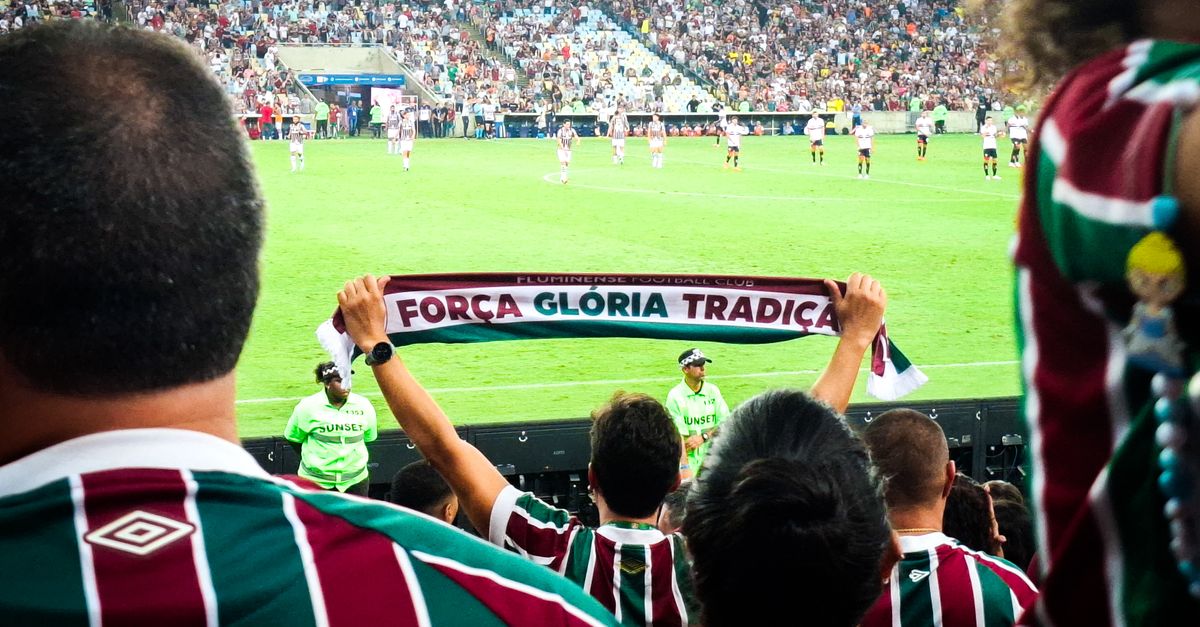 Football Explained
Why do fans collect football scarves?
Fans hoist scarves not just for warmth, but as wearable history, protest banners and a badge of belonging that turns every stand into a living museum.
Read more → Football Explained
What if Ronaldinho had maintained his peak?
What if Ronaldinho had never slipped from his 2004‑06 zenith? Imagine a career stretched with more titles, awards and a lasting magical imprint on modern football.
Read more →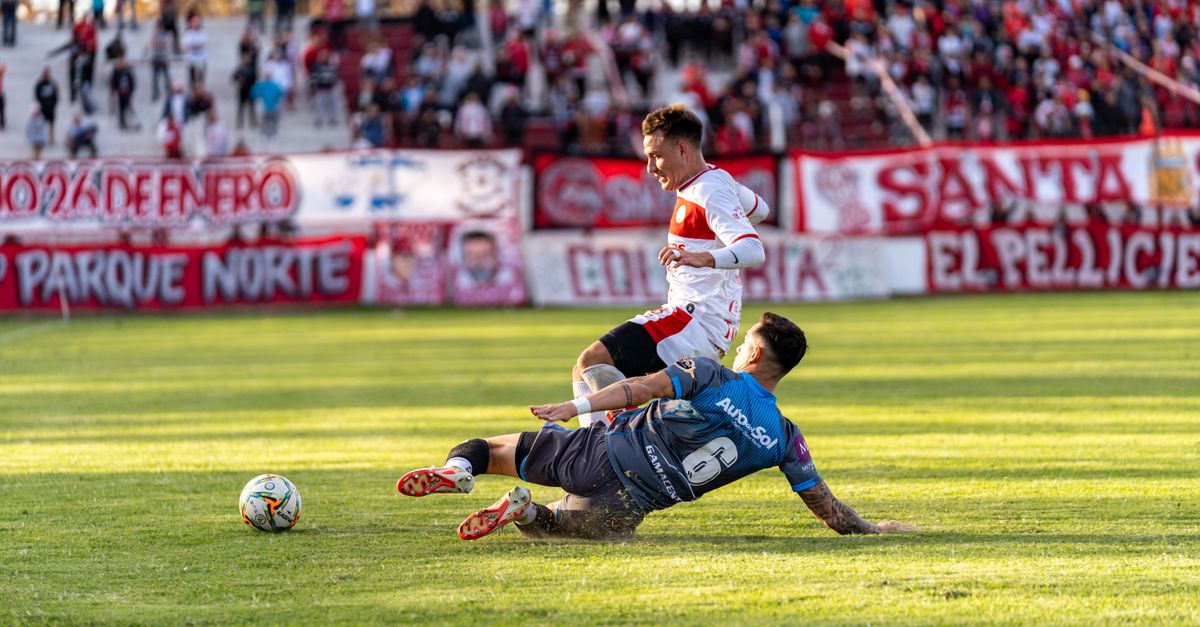 Football Explained
Why do some stadiums create intimidating atmospheres while others don't?
Intimidating stadiums blend design, history and fan passion, turning architecture into a weapon that fuels home advantage and silences opponents.
Read more →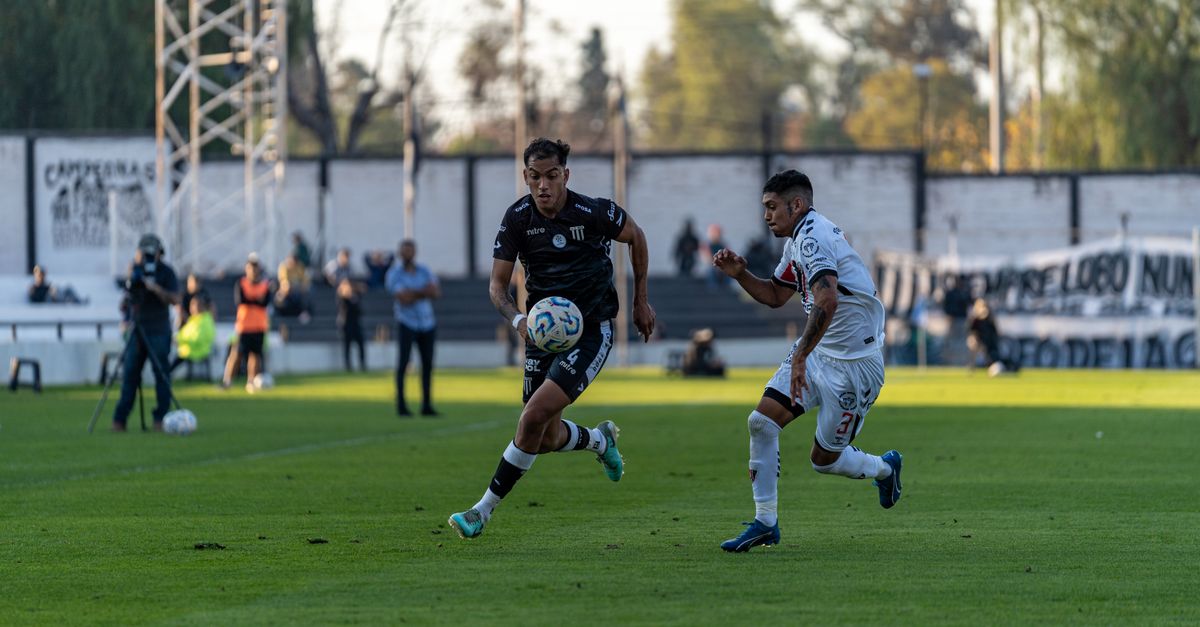 Football Explained
What does "park the bus" mean in football?
Parking the bus is football’s shorthand for a ultra‑defensive set‑up that clogs the final third, a tactic famously named by José Mourinho after a 0‑0 stalemate in 2004.
Read more → Football Explained
Why do teams switch between zonal and man marking at set pieces?
Teams swap between zonal and man marking on set‑pieces to blunt opponents’ tricks, exploit space and keep a counter‑attack option alive to match the taker.
Read more →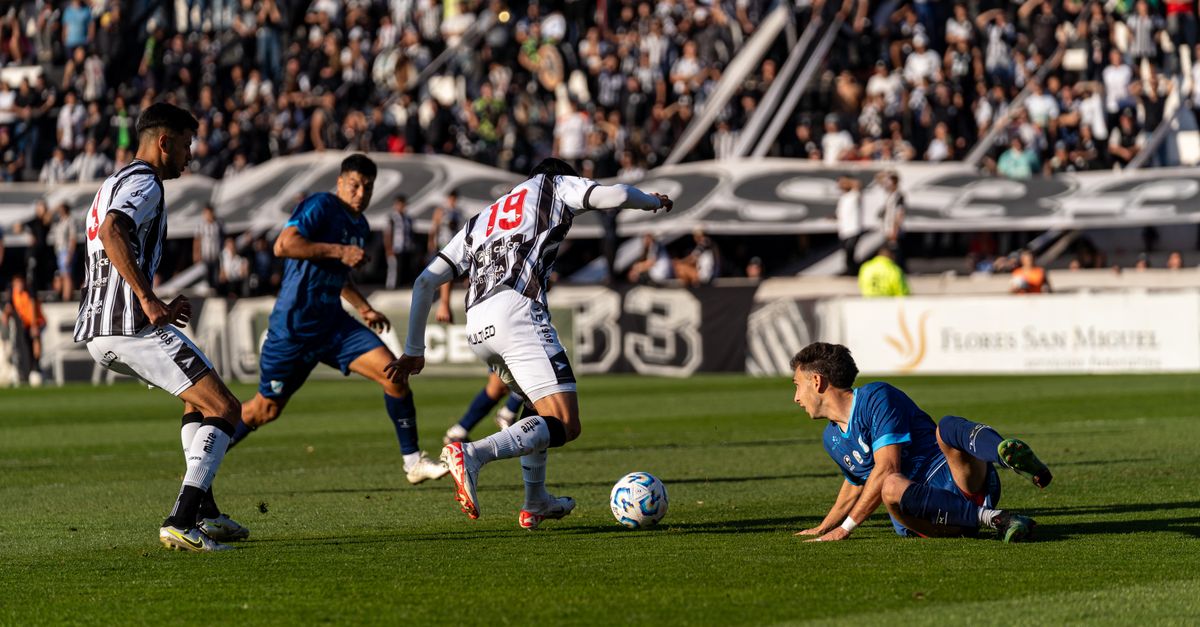 Football Explained
Why did VAR become so controversial?
The Video Assistant Referee system has become a contentious issue in football, with many questioning its effectiveness and impact on the game, despite its introduction to reduce errors and improve decision-making.
Read more → Football Explained
Why does Paris Saint-Germain F.C. wear blue, red, and white?
Paris Saint‑Germain’s blue, red and white kit isn’t just a design choice – it’s a visual pact between the capital city’s historic flag and the royal heritage of Saint‑Germain‑en‑Laye.
Read more →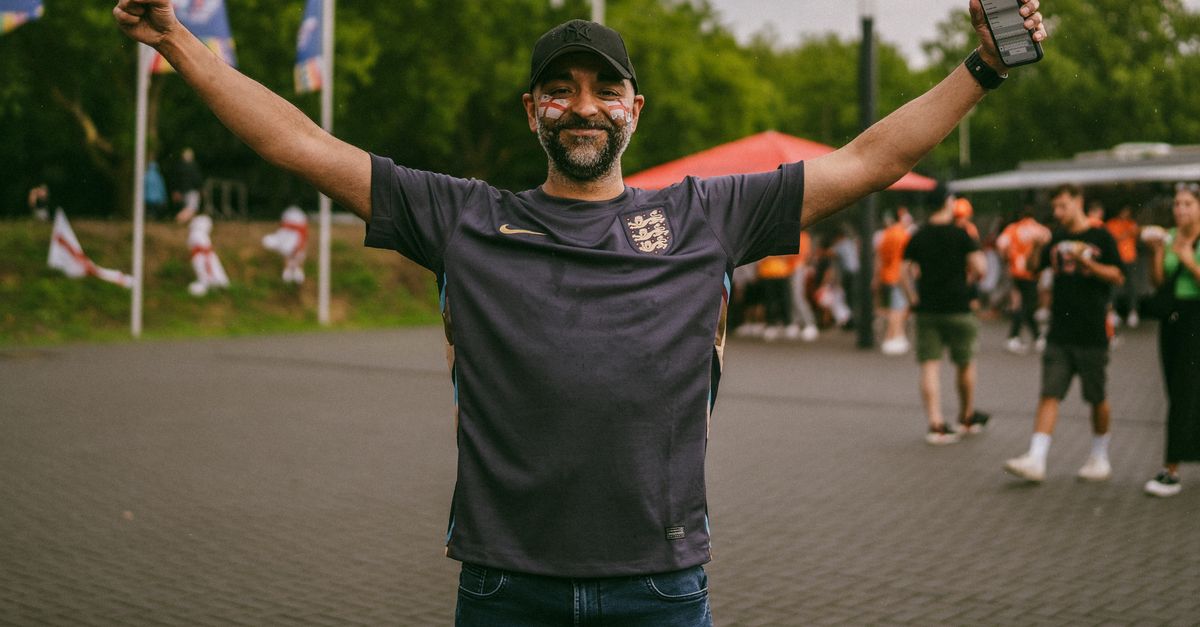 Football Explained
What if England had won the 1990 World Cup?
Imagine England lifting the 1990 World Cup – a first title that would have reshaped national pride, youth football and the very culture of the beautiful game in the UK.
Read more → Football Explained
Why did football become important in decolonized nations?
Football turned into a rallying cry for newly independent states, forging identity, defying colonial rule and shaping nationhood on the pitch.
Read more → Football Explained
Why does England use three lions?
The three lions on England's football emblem originate from the 12th century, associated with the Royal Family, and have been used by the Football Association since 1863, symbolizing English national identity in football, as seen in the World Cup.
Read more → Football Explained
Why does Juventus FC use zebras?
Juventus FC uses zebras as their mascot and kit design inspiration, originating from their 1903 kit change to black and white stripes, earning them the nickname "The Zebras".
Read more → Football Explained
Why do football fans cry over defeats decades later?
Football fans cry over defeats decades later due to strong emotional investment and social ties, leading to a sense of loss and grief that can linger for years, with psychologists explaining that placing too much emotional weight on a game can lead to frustration or anger after a loss
Read more → Football Explained
Why is Celtic's "9-in-a-row" considered one of football's greatest dynasties?
Celtic’s 1966‑74 run of nine league titles, capped by the 1967 European Cup, set a benchmark of domestic dominance and glory that still defines dynasties.
Read more → Football Explained
Why do some clubs have political identities?
Football clubs often embody political ideologies and cultural identities, with historical roots in class, religion, or ethnicity, influencing fan culture and expressions of political beliefs.
Read more → Football Explained
Why is the Fenerbahçe vs Galatasaray derby called the "Intercontinental Derby"?
The Intercontinental Derby is named for geography: Fenerbahçe on Istanbul’s Asian shore, Galatasaray on the European side – a football clash across two continents.
Read more →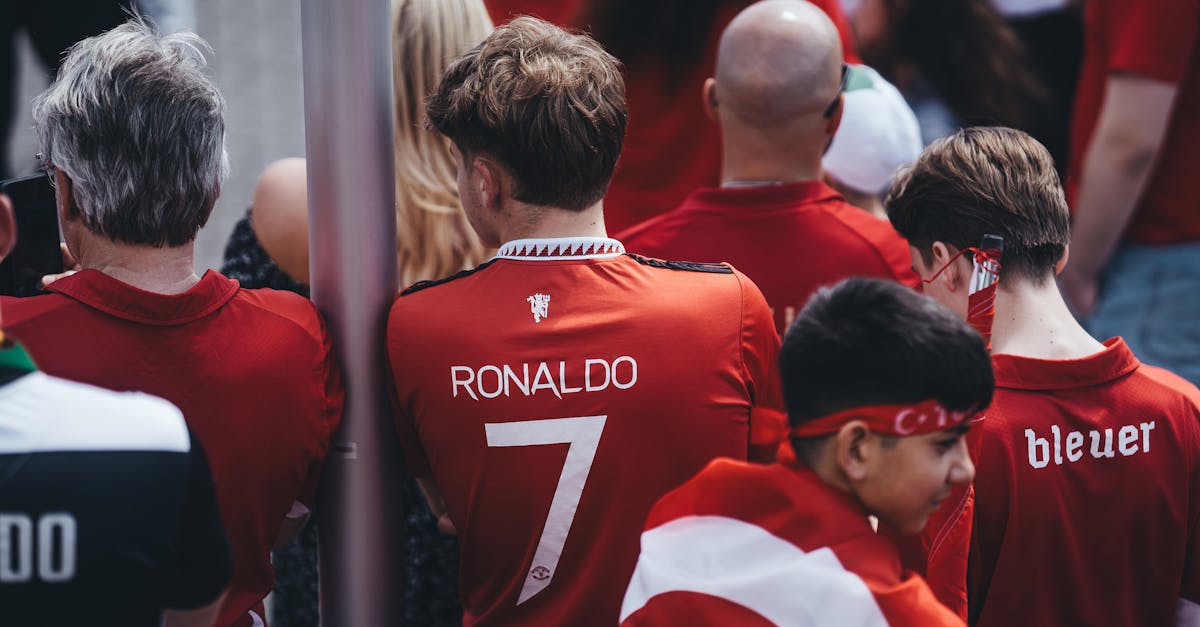 Football Explained
Why do football fans care so much about crests, colors, and symbols?
Football fans care deeply about crests, colors, and symbols as they represent identity, community, and a connection to their favorite teams, with crests often symbolizing a badge of honor and a link to the club's history and heritage.
Read more → Football Explained
Why is Inter called "Nerazzurri"?
Inter is called "Nerazzurri" due to its black and blue colors, symbolizing the night and the sky, and its commitment to internationalism, as reflected in the club's name, "Internazionale", embracing players from all nations.
Read more → Football Explained
Why are some great players terrible managers?
Great players often stumble as managers because instinctive brilliance on the pitch doesn’t equal the analytical, communicative, and adaptable skill‑set required on the touchline.
Read more → Football Explained
Why is Brazil's 7–1 loss to Germany considered the greatest shock in World Cup history?
Brazil's 7-1 loss to Germany in the 2014 World Cup semifinal is considered the greatest shock in World Cup history due to the unexpected margin of defeat and the significance of the match, with Brazil hosting the tournament and being a favorite to win.
Read more →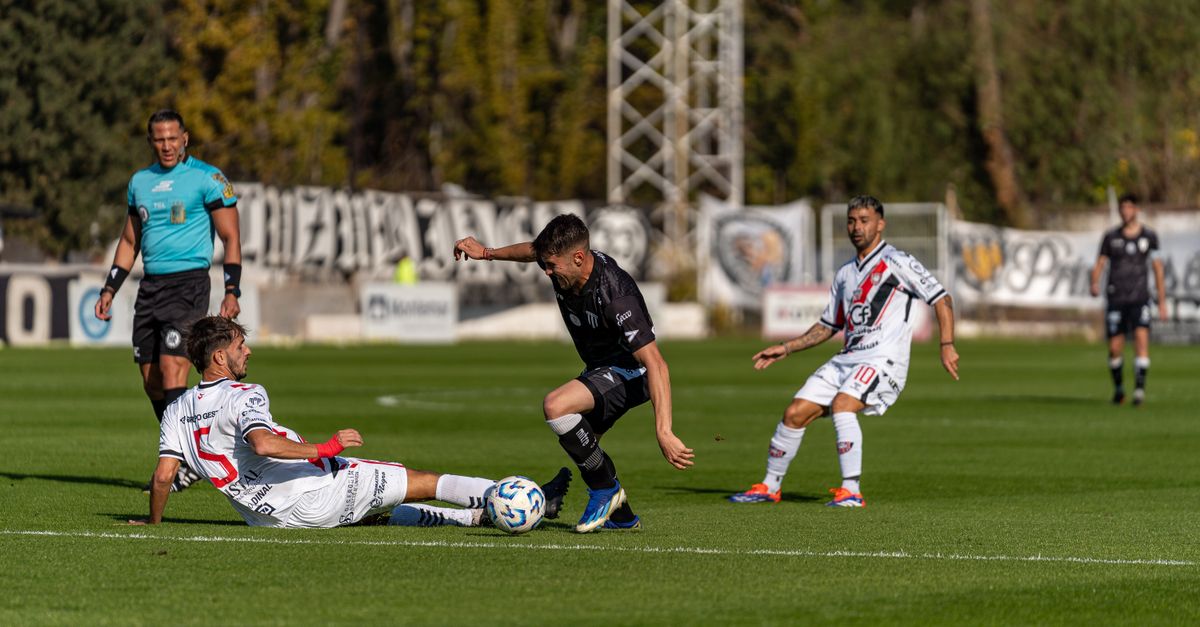 Football Explained
Why does Palestine have a national football team?
Palestine has a national football team due to its membership in FIFA, despite not being a fully recognized state, with a history dating back to the British Mandate era and a current team competing in Asian qualifiers for the 2026 World Cup.
Read more →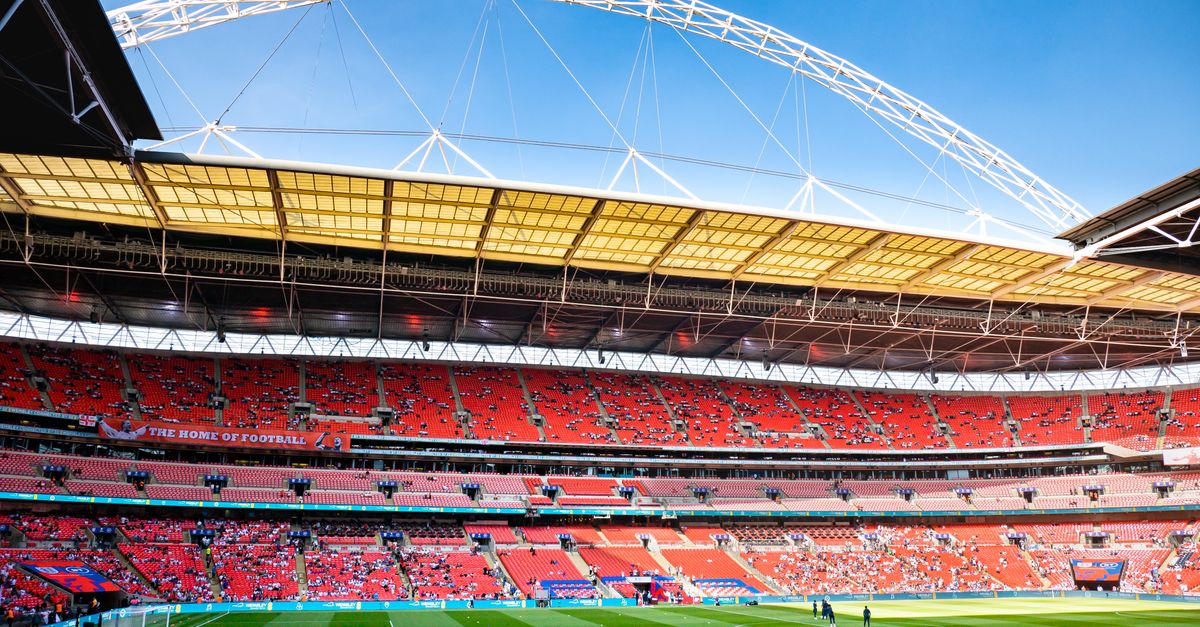 Football Explained
Why can't England, Scotland, Wales, and Northern Ireland compete separately in the Olympics?
England, Scotland, Wales, and Northern Ireland compete as Great Britain in the Olympics, but separately in the World Cup, due to historical and regulatory reasons, with the UK being a single country under Olympic rules, but allowed separate teams in football.
Read more → Football Explained
Why did Adriano's career collapse?
Adriano's football career collapsed due to struggles with depression, alcoholism, and mental health issues, exacerbated by the death of his father and intense media scrutiny, leading to a decline in performances and inconsistency.
Read more → Football Explained
Why do captains wear armbands?
Discover why football captains wear armbands, the history behind this tradition, and what it signifies in the beautiful game, from communication to leadership and respect.
Read more → Football Explained
Why do some football rivalries have religious roots?
Football rivalries with religious roots are common, with some teams founded by churches and others having religious differences as a key factor in their rivalry, making for a complex mix of faith and sport.
Read more → Football Explained
Why do some players perform better in big matches?
Big‑game brilliance often stems from confidence, mental toughness and meticulous psychological preparation, turning pressure into performance that fuels awe.
Read more →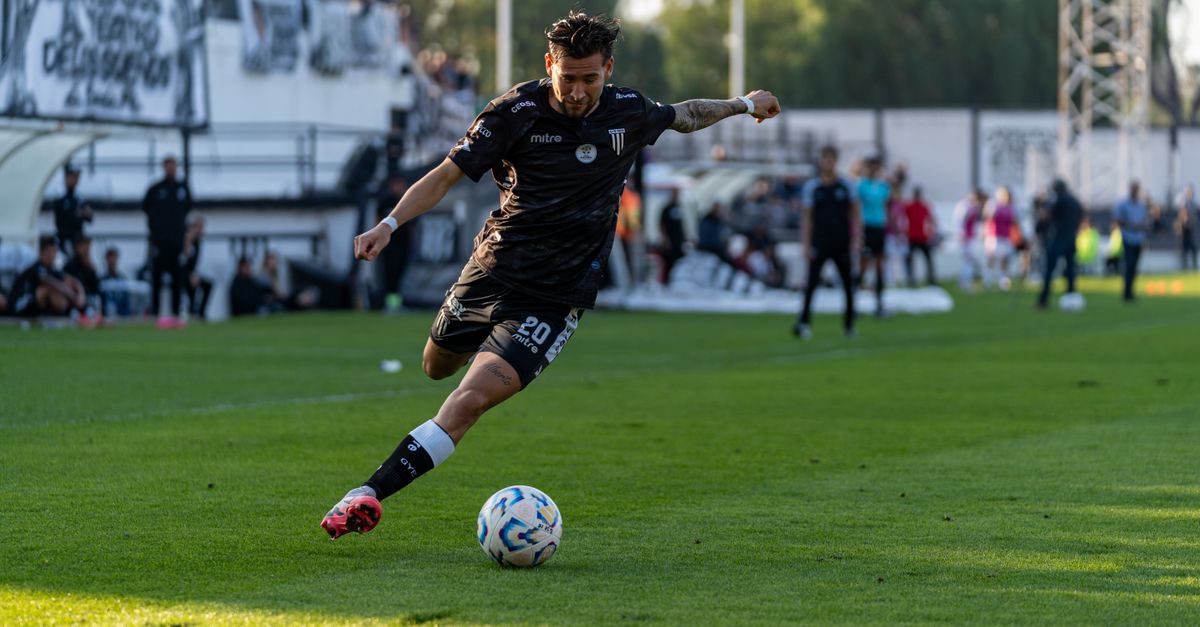 Football Explained
Why are football transfer fees so high?
Football transfer fees are high due to a combination of factors including the lack of a cap on spending, the importance of merchandise sales, and the alignment of fees with revenues and player value, with clubs willing to pay large sums for top players.
Read more → Football Explained
Why is Liverpool called "The Reds"?
Discover why Liverpool is called "The Reds", exploring the history and context behind the iconic nickname, from the club's early days to its current status as a beloved football team.
Read more → Football Explained
Why do referees add stoppage time instead of stopping the clock?
Referees add stoppage time to football matches to compensate for lost time due to injuries, substitutions, and celebrations, rather than stopping the clock, to prevent time-wasting tactics and ensure a fair game.
Read more → Football Explained
Why is the 1970 World Cup considered the greatest?
The 1970 Mexican World Cup dazzled in colour, showcased Brazil’s flawless artistry and gifted football its first true global spectacle – a tournament still hailed as the sport’s pinnacle.
Read more →