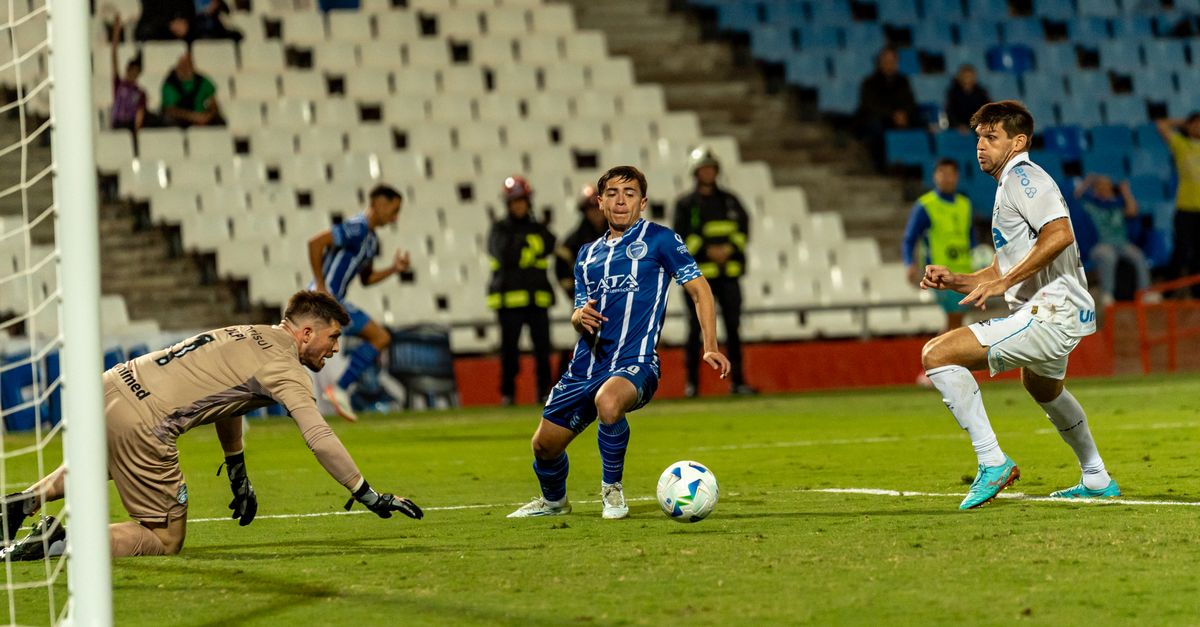

The roar of a packed stadium can either shatter a player’s composure or sharpen it into something lethal. Some footballers seem to thrive when the stakes are highest, delivering moments that linger in the collective memory.
The Psychological Foundations of Big‑Match Brilliance
Research consistently points to confidence and self‑belief as the invisible foundations of elite performance. Players who trust their abilities are less likely to freeze, more willing to attempt the unexpected, and quicker to rebound from errors. A study on footballers’ psychological readiness found a positive correlation between self‑esteem and five of seven sub‑scales measuring match preparedness – higher self‑esteem translated into stronger achievement motivation and sharper concentration.
Sports psychologists work with top clubs to embed these traits into daily routines. Techniques range from visualization of successful scenarios to controlled breathing that steadies the nervous system. The goal is not to eliminate nerves but to channel them, turning adrenaline into a catalyst rather than a hindrance.
Confidence, Self‑Belief and the “Big‑Game” Mindset
When Lionel Messi shattered Gerd Müller’s calendar‑year goal record in 2012, he did more than tally numbers; he displayed an unshakeable belief that the extraordinary was attainable on any night. Confidence, however, is not a static trait. It can be nurtured through incremental successes and reinforced by a supportive coaching staff.
“When the lights blaze, the mind either dims or ignites – the choice is forged in belief.”
Players who consistently exhibit this belief often exhibit a willingness to take calculated risks – a through‑ball that splits a defence, a long‑range effort that catches a keeper off‑guard. Such decisions are less about raw skill and more about the confidence to trust one’s instinct when the margin for error narrows.
Training the Mental Muscle: Preparation Meets Performance
Preparation for a high‑pressure encounter extends beyond the tactical board. Clubs increasingly schedule mental‑readiness sessions in the week leading up to a knockout tie, mirroring the physical load plan. A “psychological readiness” checklist might include:
- Reviewing past successful performances to build a personal highlight reel.
- Engaging in simulated crowd noise during training drills to desensitise the auditory overload.
- Setting micro‑goals for the match – for example, “win the first 10 minutes” – to break the game into manageable chunks.
These practices echo findings that extreme effort events in a player’s recent history can be predicted by analysing effort windows from the preceding days. By deliberately recreating those high‑intensity moments in training, athletes develop a mental script that can be recalled when the real test arrives.
Culture, Context and the Atmosphere Factor
The environment surrounding a match also shapes performance. A hostile stadium can act as a psychological barrier for some, yet for others it becomes a source of extra adrenaline. The phenomenon is evident in clubs whose home grounds are renowned for intimidating atmospheres – a factor explored in depth in the article on stadium intimidation.
Understanding why some clubs have political identities or why national crests bear unique symbols (see the French rooster or Spain’s star) reveals how identity intertwines with expectation. When a player internalises the narrative of the club or nation, the weight of history can either crush or galvanise them.
The Edge of Mental Toughness
Mental toughness is not an innate gift reserved for a select few; it is a skill honed through repetition. Players who work with psychologists often report a heightened ability to stay present, a quality that research links to reduced performance anxiety. The same studies that map self‑esteem to readiness also show that athletes with higher achievement motivation sustain concentration longer, even as fatigue sets in.