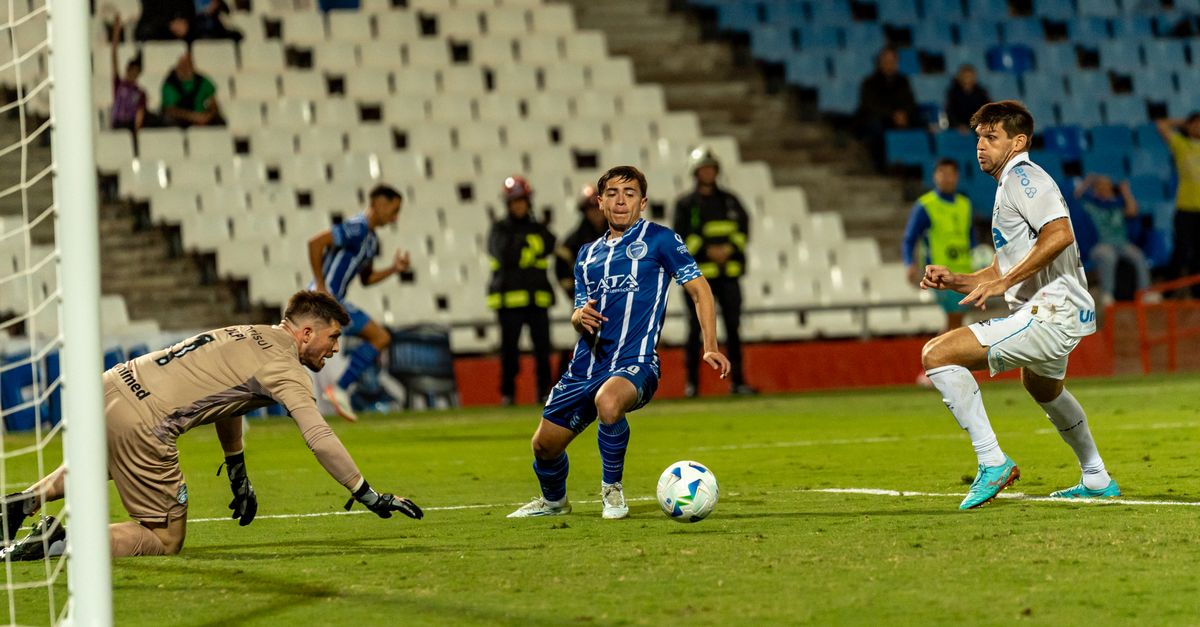
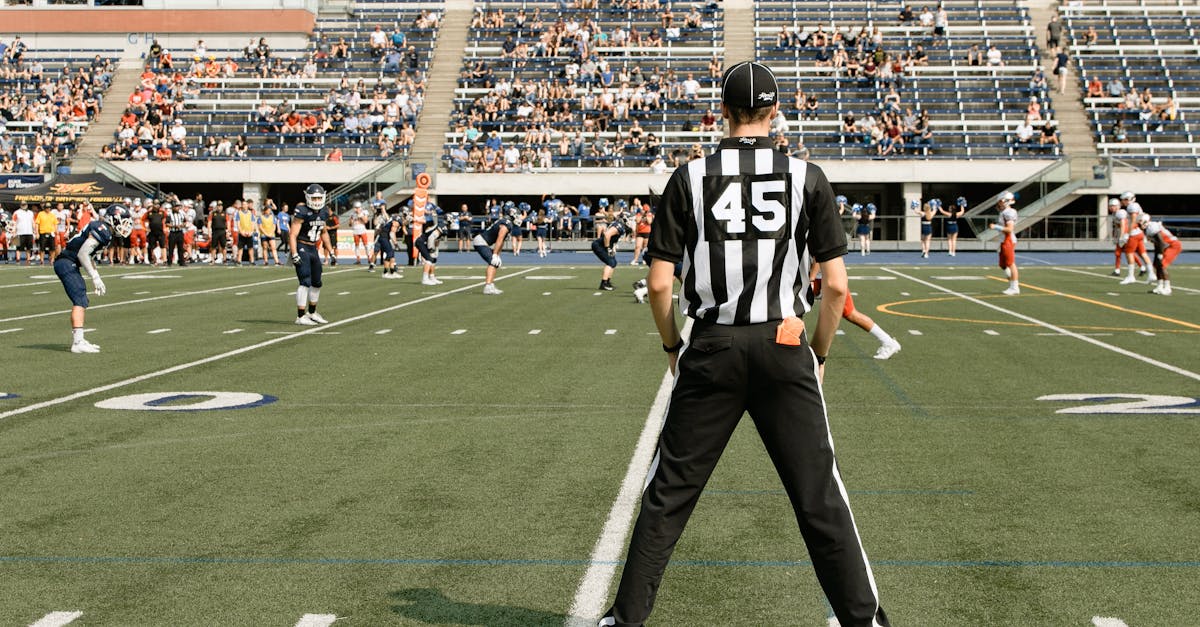
The roar of a packed stadium is more than ambience; it nudges the very decisions that shape a match. From the first whistle to the final minute, referees find themselves subtly swayed by the crowd that surrounds them.
The psychology behind the noise
Research dating back to Nevill & Holder (1999) identified a subconscious tilt: officials, even when striving for impartiality, absorb the emotional climate of the stadium. The human brain is wired to interpret crowd reactions as cues about what “should” happen on the pitch. When a home side wins a duel, the collective cheer can act as a silent endorsement, prompting the referee to interpret the incident in favour of the cheering side.
The effect is not merely about volume. It’s the expectation embedded in the chants, the visual sea of club colours, and the implicit threat of a hostile reception should a decision go against the locals. This social pressure can manifest in faster foul calls against visitors, more generous off‑side rulings for the home side, or a reluctance to issue a second yellow to a home player.
“When the stadium swells, the whistle tightens its grip on the home side.”
Evidence from the pandemic ‘natural experiment’
When football entered the unprecedented era of empty stadiums in 2020, researchers gained a rare control group. Comparisons between pre‑pandemic fixtures and those played behind closed doors revealed a striking contraction in home advantage. Boyko et al. (2007) and later analyses of the COVID period showed that the disparity in yellow‑card distribution between home and away teams narrowed dramatically.
In practical terms, a match that might have seen the home side receive one fewer caution in front of a cheering crowd saw the tally even out when the stands were silent. The data suggests that the crowd contributes a quantifiable slice of the home advantage, with referees’ discretion acting as the conduit.
How referees manage the pressure
Not all officials react identically. “Alone against the crowd” research highlights individual differences: some referees possess coping mechanisms—pre‑match routines, mental distancing techniques, and peer support—that blunt the crowd’s influence. Others, particularly those newer to top‑flight officiating, display heightened sensitivity, leading to more pronounced bias.
Training programmes now incorporate simulated crowd noise to accustom referees to the auditory onslaught. Yet, the subconscious nature of the bias means complete eradication remains elusive. The sport’s governing bodies continue to explore technological aids, such as VAR, as a buffer against human error amplified by external pressure.
Wider implications for the game
Understanding the crowd’s sway reshapes how clubs approach home fixtures. Managers may deliberately foster a louder, more unified fan base as a tactical asset, while opposing coaches often stress discipline to avoid giving referees easy cues. The phenomenon also fuels debates about neutral venues for high‑stakes matches, where the aim is to level the psychological playing field.
For fans curious about the interplay of culture and pressure, the story of a stadium’s voice is as rich as any tactical masterclass. It’s why chants echo through generations and why the “12th man” is more than a metaphor.