
Football Explained
The stories behind the game — badges, rivalries, rules, traditions and the “why” of world football, explained clearly by SportCells.
 Football Explained
Why is La Masia considered one of the best academies in football?
La Masia’s blend of philosophy, home‑grown talent and a record of world‑class graduates makes it the benchmark for football academies worldwide.
Read more → Football Explained
Why do football victories become national celebrations?
Football triumphs turn stadium roars into nation‑wide festivals, weaving pride, trust and shared memory into the fabric of a country’s identity.
Read more → Football Explained
Why is football the world's most popular sport?
Football is the world's most popular sport due to its simplicity, accessibility, and universal appeal, with billions of fans across the globe and extensive media coverage, making it a fast-paced and spectacular game with few restrictions on players.
Read more → Football Explained
Why are ultras so loyal?
Ultra fans cling to their clubs like kin, forged by ritual, hierarchy and a defiant identity that refuses the commercialised game.
Read more →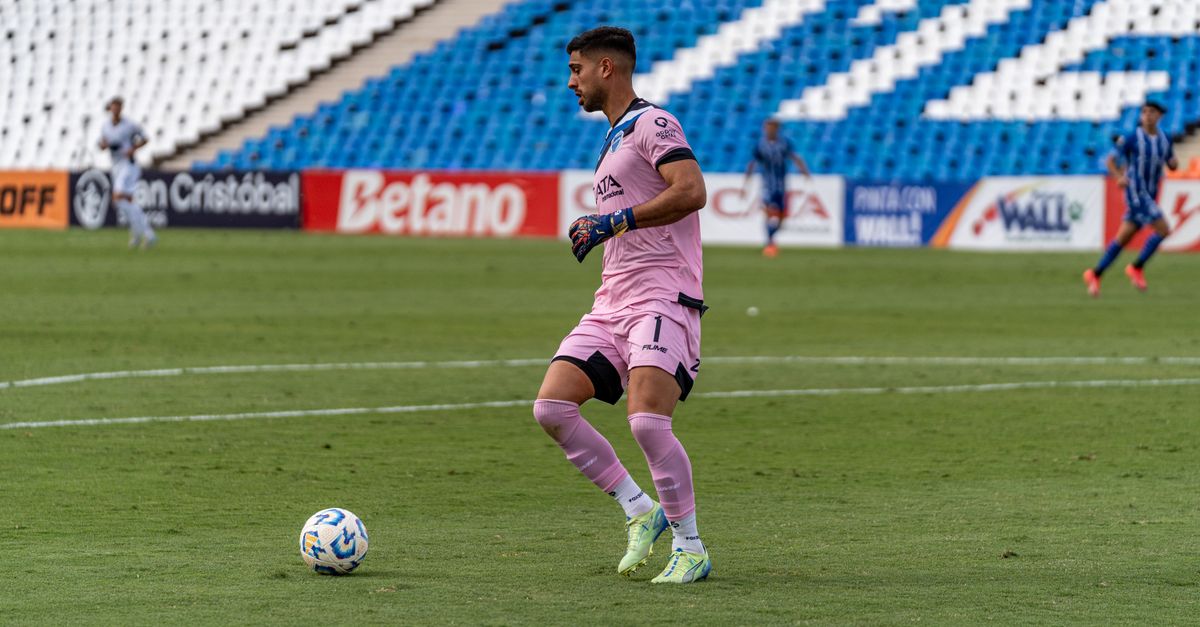 Football Explained
Why did Brazil change their home kit after 1950?
Brazil changed their home kit from white to yellow after the 1950 World Cup Final loss to Uruguay, believing the white kit was cursed, and adopted a new yellow design in 1953.
Read more →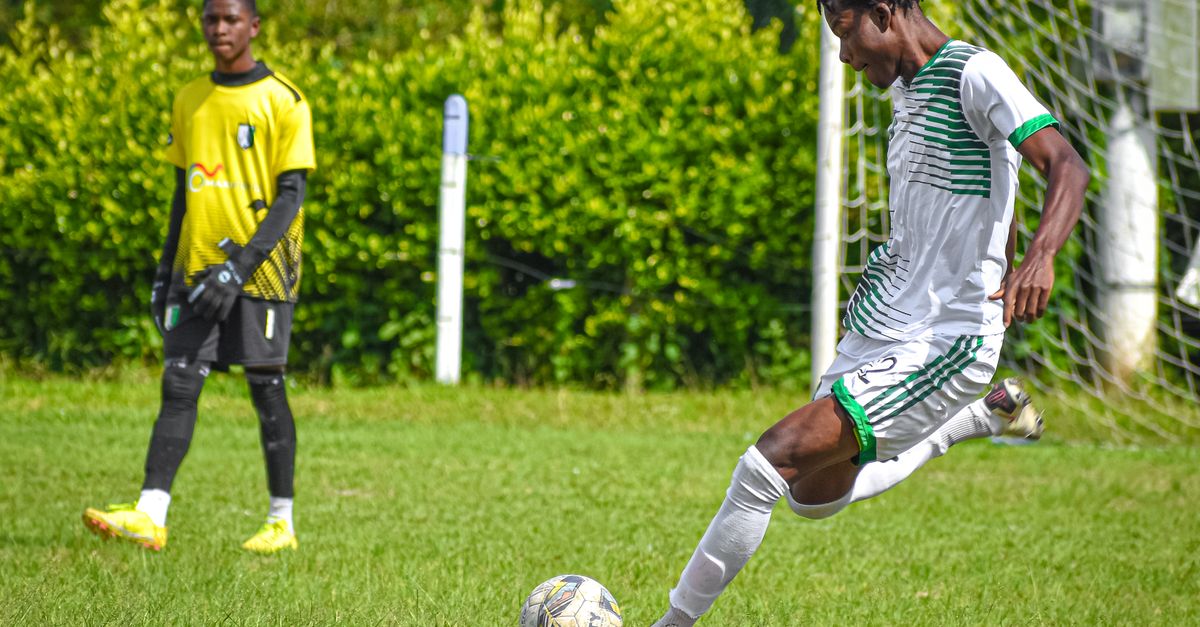 Football Explained
Why is the CAF Champions League dominated by North African clubs?
North African clubs dominate the CAF Champions League thanks to bigger budgets, modern stadiums, savvy management and a fan culture that fuels African success.
Read more →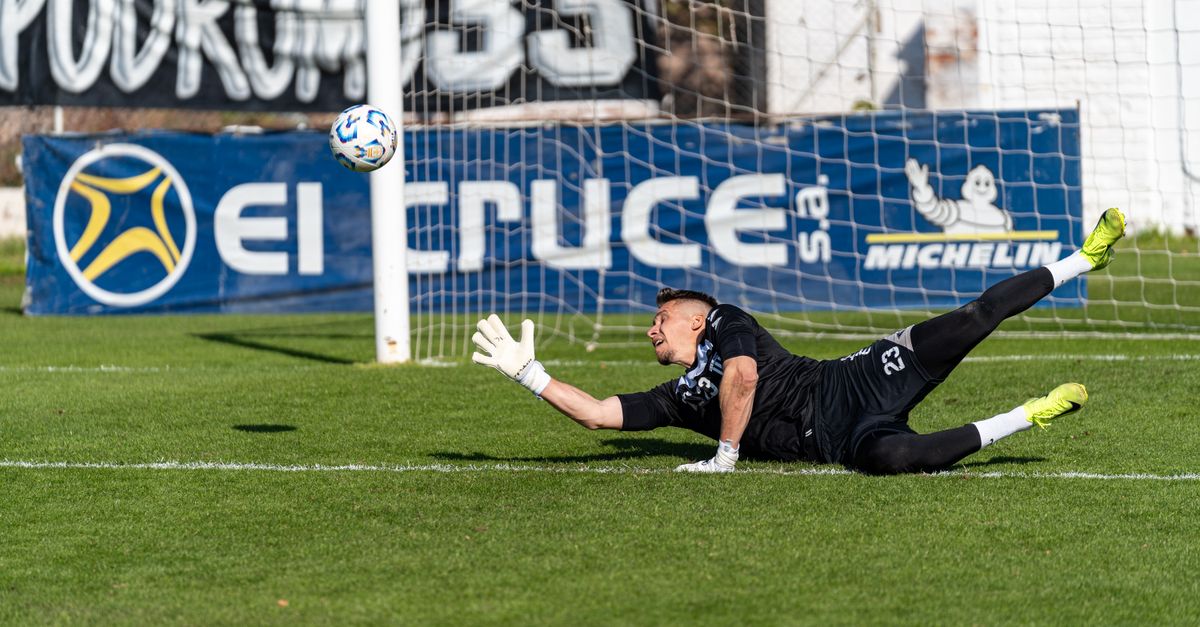 Football Explained
Why was Ferenc Puskás so influential?
Ferenc Puskás was a Hungarian footballer and manager widely regarded as one of the greatest players of all time, known for his exceptional left foot and goal-scoring records, earning him the nickname 'Pancho' or 'Cañoncito pum'.
Read more → Football Explained
Why do managers get sacked so quickly in modern football?
Quick dismissals stem from relentless fan pressure, media frenzy and owners demanding instant results, despite the costly gamble on stability.
Read more → Football Explained
Why is Johan Cruyff's turn so famous?
Johan Cruyff's turn is famous because it symbolised the Total Football being played at the 1974 World Cup by the Dutch, and it has become an iconic move in football history, still widely used today.
Read more → Football Explained
Why is Ronaldo Nazário considered by many the greatest striker ever?
Ronaldo Nazário is considered the greatest striker ever due to his explosive speed, incredible skills, and impressive goal-scoring record, with many football legends and experts praising his unique talent and dominance on the pitch.
Read more → Football Explained
Why is the AFC Champions League growing so fast?
The AFC Champions League’s rapid rise stems from a bold expansion, a streamlined “Elite” format and a continent‑wide push to boost prestige, TV money and club ambition.
Read more → Football Explained
Why have so few teams won the World Cup?
Only eight nations have ever lifted the FIFA World Cup – a striking concentration that mirrors deep‑rooted football cultures, historic investment and the tournament’s evolving format.
Read more → Football Explained
Why is Benfica called the club with the curse?
Benfica is called the club with the curse due to a legendary curse by Béla Guttmann, who allegedly said the club would not win another European trophy for 100 years after being denied a pay rise in 1962.
Read more →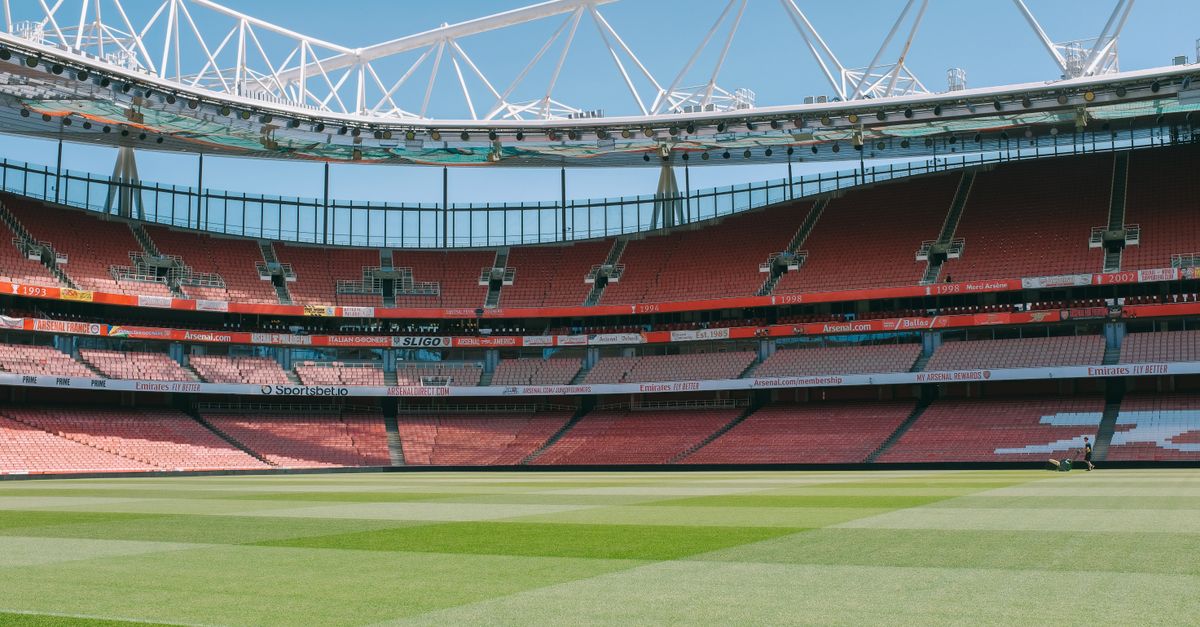 Football Explained
Why are Premier League clubs so rich?
Premier League clubs sit atop world football wealth thanks to unrivalled TV deals, savvy commercial contracts and a global brand that draws billionaire owners and massive fanbases.
Read more → Football Explained
Why is Athletic Bilbao famous for its player policy?
Athletic Bilbao is famous for its player policy of only fielding players who are Basque-born or developed in the Basque Country, a unique philosophy that sets them apart in top-flight football.
Read more → Football Explained
Why do goalkeepers wear gloves?
Goalkeepers wear gloves to improve grip on the ball, protect themselves from injury, and enhance their overall performance, with modern gloves providing better grip, shock absorption, and protection from ferocious shots.
Read more → Football Explained
Why do World Cup hosts often perform better?
Home advantage, familiar stadiums and roaring crowds often lift World Cup hosts beyond expectations, yet the weight of national hopes can quickly turn the tide.
Read more → Football Explained
Why do Ajax and Feyenoord fans dislike each other?
Ajax and Feyenoord fans dislike each other due to a long-standing rivalry fueled by geographic, cultural, and historical differences, with Ajax's greater success contributing to stronger animosity from Feyenoord supporters.
Read more → Football Explained
Why do players wear tape on their wrists?
Players tape their wrists for support, injury prevention and a dash of superstition – the humble strip that keeps the ball rolling and the skin safe on.
Read more → Football Explained
Why do fans collect football scarves?
Fans hoist scarves not just for warmth, but as wearable history, protest banners and a badge of belonging that turns every stand into a living museum.
Read more → Football Explained
What if Ronaldinho had maintained his peak?
What if Ronaldinho had never slipped from his 2004‑06 zenith? Imagine a career stretched with more titles, awards and a lasting magical imprint on modern football.
Read more →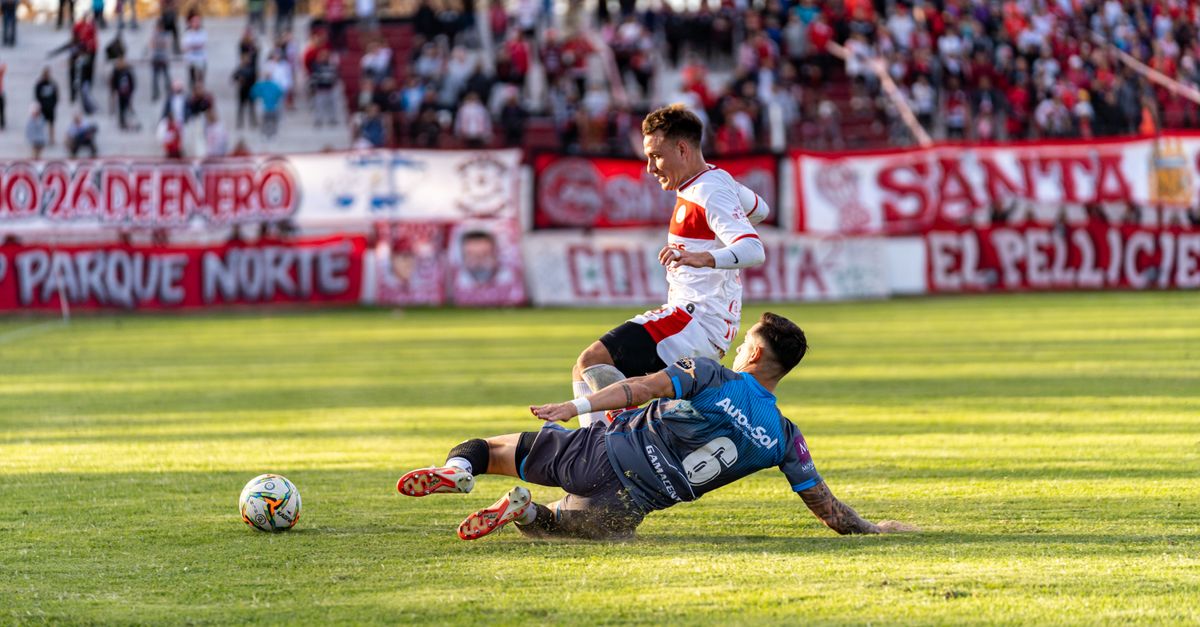 Football Explained
Why do some stadiums create intimidating atmospheres while others don't?
Intimidating stadiums blend design, history and fan passion, turning architecture into a weapon that fuels home advantage and silences opponents.
Read more → Football Explained
What does "park the bus" mean in football?
Parking the bus is football’s shorthand for a ultra‑defensive set‑up that clogs the final third, a tactic famously named by José Mourinho after a 0‑0 stalemate in 2004.
Read more → Football Explained
Why do teams switch between zonal and man marking at set pieces?
Teams swap between zonal and man marking on set‑pieces to blunt opponents’ tricks, exploit space and keep a counter‑attack option alive to match the taker.
Read more →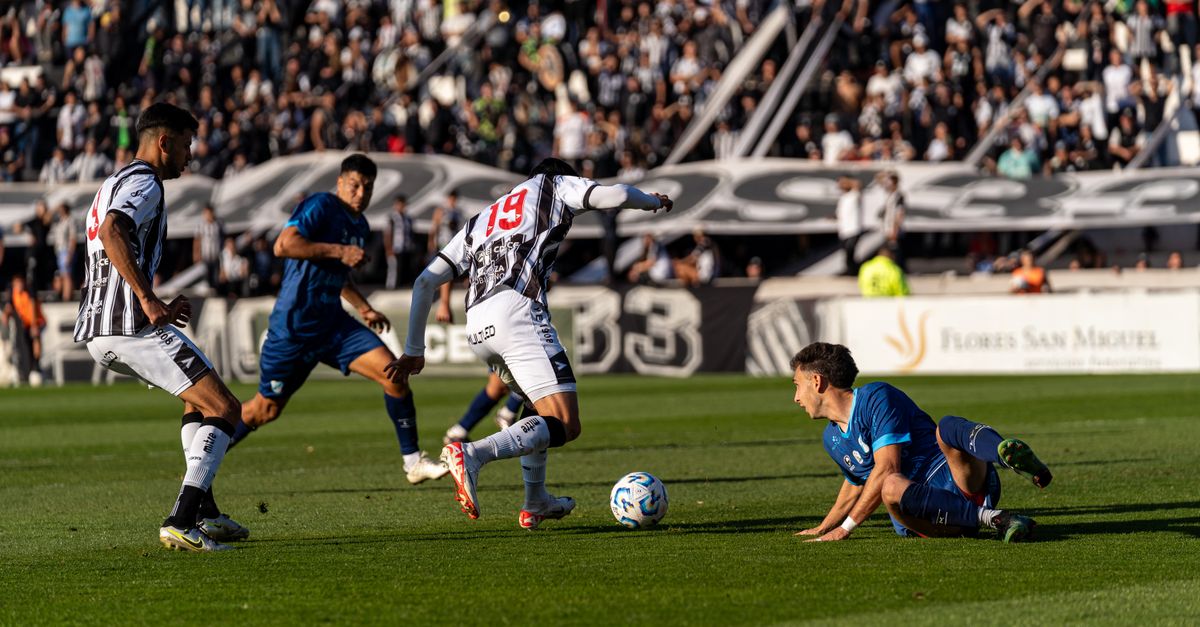 Football Explained
Why did VAR become so controversial?
The Video Assistant Referee system has become a contentious issue in football, with many questioning its effectiveness and impact on the game, despite its introduction to reduce errors and improve decision-making.
Read more → Football Explained
Why does Paris Saint-Germain F.C. wear blue, red, and white?
Paris Saint‑Germain’s blue, red and white kit isn’t just a design choice – it’s a visual pact between the capital city’s historic flag and the royal heritage of Saint‑Germain‑en‑Laye.
Read more → Football Explained
What if England had won the 1990 World Cup?
Imagine England lifting the 1990 World Cup – a first title that would have reshaped national pride, youth football and the very culture of the beautiful game in the UK.
Read more → Football Explained
Why did football become important in decolonized nations?
Football turned into a rallying cry for newly independent states, forging identity, defying colonial rule and shaping nationhood on the pitch.
Read more → Football Explained
Why does England use three lions?
The three lions on England's football emblem originate from the 12th century, associated with the Royal Family, and have been used by the Football Association since 1863, symbolizing English national identity in football, as seen in the World Cup.
Read more → Football Explained
Why does Juventus FC use zebras?
Juventus FC uses zebras as their mascot and kit design inspiration, originating from their 1903 kit change to black and white stripes, earning them the nickname "The Zebras".
Read more →