
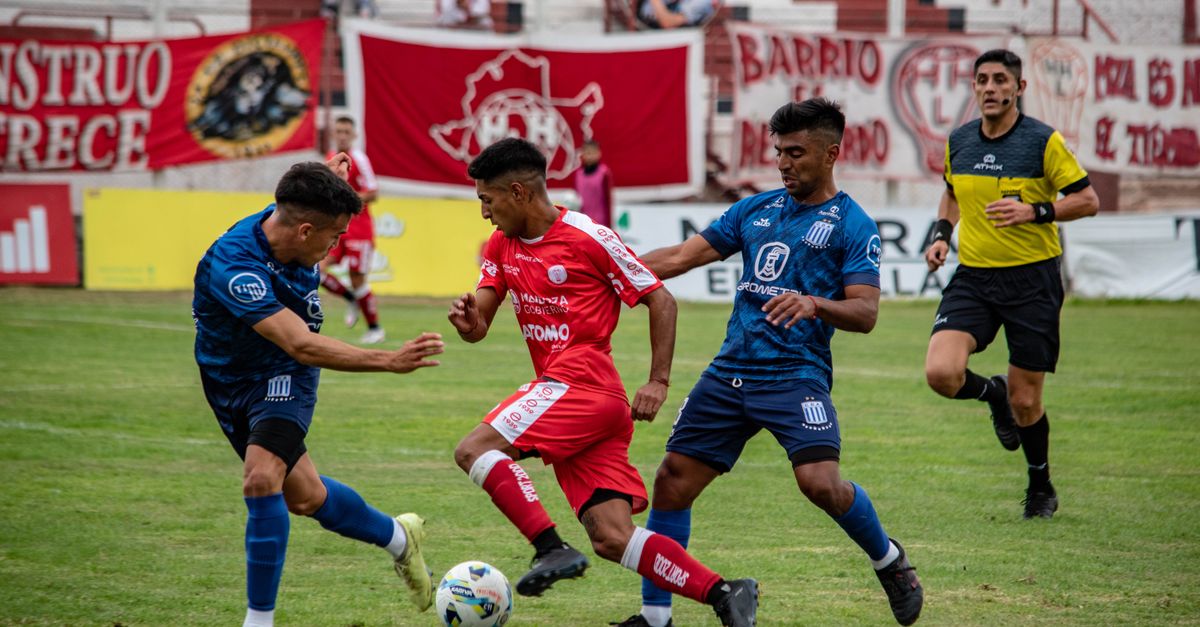
Brazil entered the Mineirão on 8 July 2014 with a nation’s hopes perched on their shoulders. What should have been a celebratory night turned into a nightmare that still haunts the country.
The missing pieces that tipped the balance
Brazil’s squad arrived in Brazil without its two most influential figures. Neymar, the talismanic forward, was forced off after a fractured vertebra in the quarter‑final against Colombia. Thiago Silva, the captain and defensive lynchpin, served a suspension for a red card received against Colombia. Their absence forced coach Luiz Felipe Scolari to reshuffle a backline that had never played together at this level, exposing gaps that Germany exploited with ruthless efficiency.
The Brazilian midfield, normally orchestrated by the creative spark of Oscar and the tireless work‑rate of Fernandinho, struggled to retain possession against a German side that pressed as a single unit. Without Silva’s organisational voice, centre‑backs David Luiz and Dante were left to cope with the relentless German forwards, leading to a cascade of errors.
The weight of a nation’s expectations
The 2014 tournament carried a symbolic burden: a chance to erase the trauma of the 1950 final loss in Rio, often referred to as the “Maracanazo”. The country’s collective psyche was on display – players were seen weeping during anthems and penalty shoot‑outs throughout the competition. When the first German goal hit the net, the stadium’s roar shifted from anticipation to disbelief, and the Brazilian players appeared visibly unsettled.
“The whole country was watching, and every mistake felt like a betrayal.”
The psychological strain manifested in a loss of composure; mis‑timed tackles, hurried passes and a defensive line that drifted out of shape. The pressure of 200 million eyes turned what should have been a tactical battle into a frantic scramble.
Germany’s clinical execution
Germany arrived in Brazil with a clear game plan: quick transitions, high pressing and an unerring eye for the goal. Their midfield, led by Toni Kroos and Sami Khedira, fed the attack with pinpoint passes that bypassed Brazil’s unsettled defence. The German front line – Müller, Klose, Lahm, Schürrle and Schweinsteiger – displayed an almost mathematical efficiency, converting half of their chances inside the box.
The German defence also played a part, keeping a compact shape that forced Brazil to play wide, stretching an already disjointed backline. When Brazil finally managed to score through Oscar in the 90th minute, the damage was already done; the goal was a mere consolation.
The legacy of the “Mineirazo”
The 7‑1 loss remains Brazil’s heaviest defeat since Uruguay’s 6‑0 victory in 1920, and it sparked a national reckoning. Coaches, clubs and the Brazilian Football Confederation (CBF) revisited youth development, tactical flexibility and mental‑strength programmes. The match is now a reference point in discussions about how pressure and squad depth can dictate outcomes on football’s biggest stage.
For a deeper look at how national trauma can shape a team’s psyche, see our piece on Why was the 1950 World Cup final not technically a final? and the impact of historic defeats.