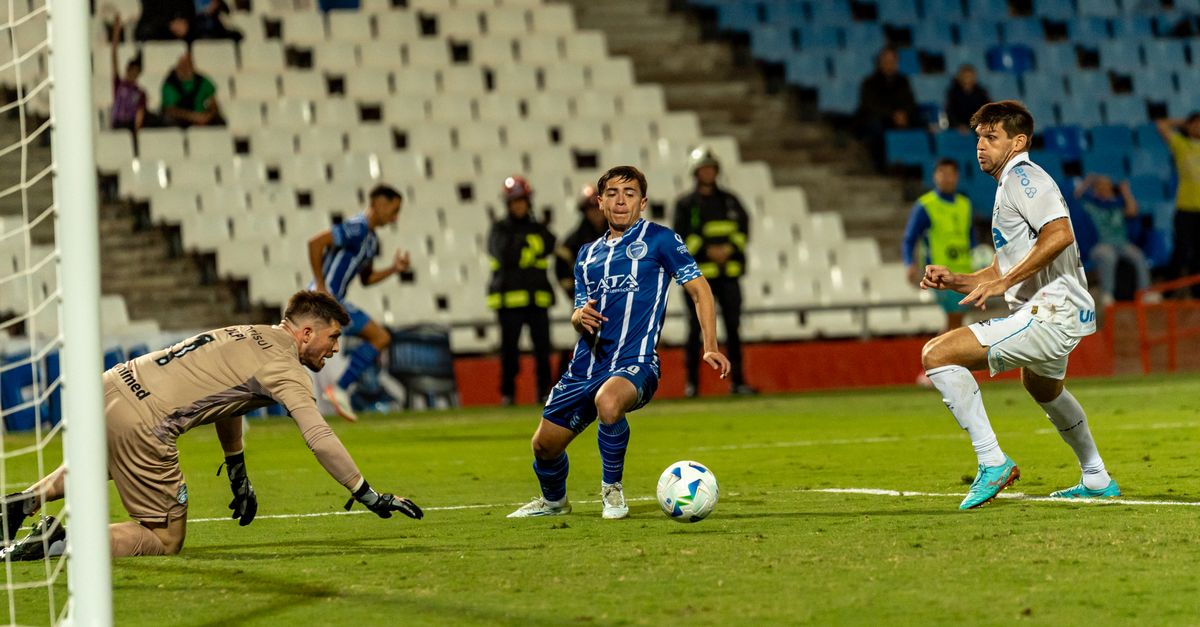
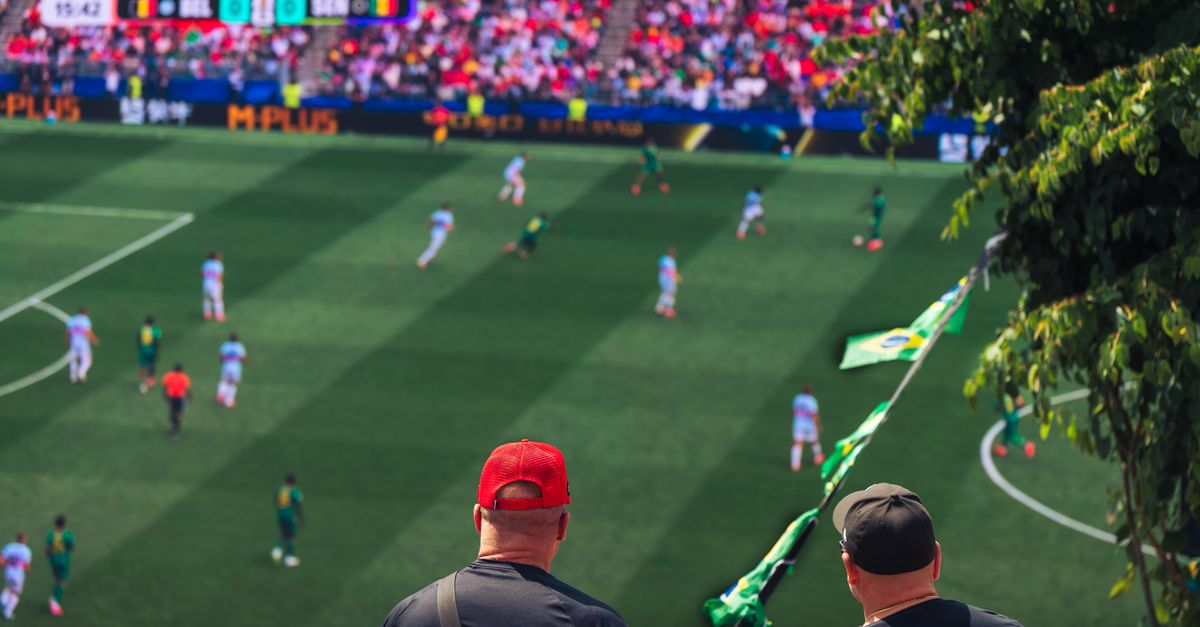
The 1950 World Cup final was not technically a final because the winner was determined via a four-team round-robin group instead of a one-off final match. This unique format was used due to the circumstances of the time, with the tournament being the first to be held after World War II and the need to incentivize European teams to travel to South America.
History of the 1950 World Cup
The 1950 World Cup was the fourth edition of the FIFA World Cup, and it was the first tournament to be held in over 12 years due to the cancellation of the 1942 and 1946 World Cups because of World War II. The tournament was hosted by Brazil, and it featured a unique format, with the final four teams playing each other in a round-robin group.
The Decisive Match
The match between Uruguay and Brazil was the decisive match of the final stage, and it was played at the Maracanã Stadium in Rio de Janeiro on July 16, 1950. The match is often referred to as one of the biggest upsets in football history, with Uruguay defeating the host nation Brazil 2-1.
Impact of the Tournament
The 1950 World Cup had a significant impact on the sport, with it being the first tournament to be held after World War II and the first to be hosted by a South American country. The tournament also marked the beginning of a new era in football, with the introduction of new teams and players.
To learn more about the FIFA World Cup, including the teams that will be competing in the 2026 tournament, visit our website. You can also check out our Football Explained section for more articles like this one.