
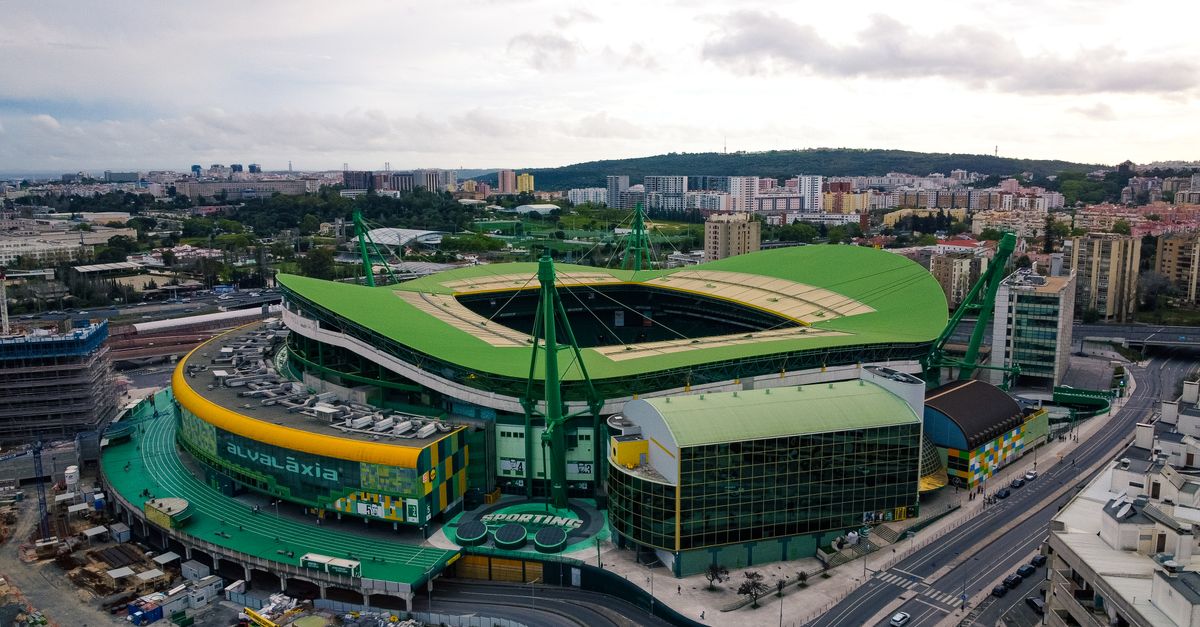
Stadiums that dominate skylines far from city centres are not accidental; they are the product of decades of urban growth, car‑centric planning and evolving fan expectations.
Historical Roots: From Town Squares to Suburban Fields
When many European clubs were founded, football grounds were woven into the fabric of industrial towns – often tucked between factories and terraced houses. By the 1950s and 60s, those city centres were already densely built, leaving little room for the expanding footprint a modern stadium required. A study of top‑division venues notes that 67 % of European stadiums sit in semi‑urban areas, a direct legacy of that era’s spatial limits.
In North America, a parallel trend unfolded later. The 1960s and 70s saw the rise of multi‑purpose stadiums that housed both baseball and football teams. These behemoths needed expansive sites to accommodate interchangeable fields, massive seating capacities and, crucially, large parking decks for fans arriving by car. The design ethos was less about blending with the city and more about creating a self‑contained sports complex.
The Car‑Centric Era: Parking, Accessibility, and Revenue
Post‑war prosperity brought the automobile to the masses. Clubs responded by situating new grounds where land was cheap and roads could be widened. Large surface car parks became a revenue stream in their own right, hosting concerts, markets and community events on match‑day and beyond. The stadium’s peripheral location also meant lower tax rates and fewer planning hurdles, allowing clubs to expand capacity without the constraints of dense urban zoning.
The stadium becomes a town on its own, with parking lots, cafés and a sense of place that stretches beyond the city limits.
This model proved financially attractive: fans could drive straight to the venue, avoiding city traffic, while clubs could charge for ancillary services – from hospitality suites to naming rights – without the interference of historic preservation societies.
The Return to the City: Sustainability and Urban Regeneration
In the last decade, a counter‑trend has emerged. Clubs are increasingly eyeing inner‑city sites to create mixed‑use districts that combine football, housing, offices and public spaces. This reflects a broader sustainability agenda: reducing car dependence, improving public transport links, and revitalising neglected urban quarters. Projects such as the redevelopment of historic grounds into eco‑friendly arenas illustrate how clubs are now seeking to embed themselves within the community they represent.
The shift also aligns with fan sentiment. Younger supporters value walkable neighbourhoods, local eateries and a stadium that feels part of the city’s daily rhythm. Consequently, new proposals often include green roofs, solar panels and enhanced public realm – features far easier to integrate when the venue sits amid existing infrastructure.
Cultural Impact: Identity Beyond the Pitch
Stadium location influences more than logistics; it shapes a club’s identity. A ground on the outskirts can foster a “home‑away‑from‑home” atmosphere, where supporters gather in a purpose‑built enclave. Conversely, a city‑centre stadium reinforces the club’s role as a civic symbol, echoing the historic ties between football and local pride. Understanding this balance helps explain why some clubs cling to their suburban cathedrals while others chase urban renaissance projects.
For further reading on how stadium culture intertwines with fan rituals, see our pieces on Why do footballers cross themselves before games? and Why do national anthems matter so much before matches?.