
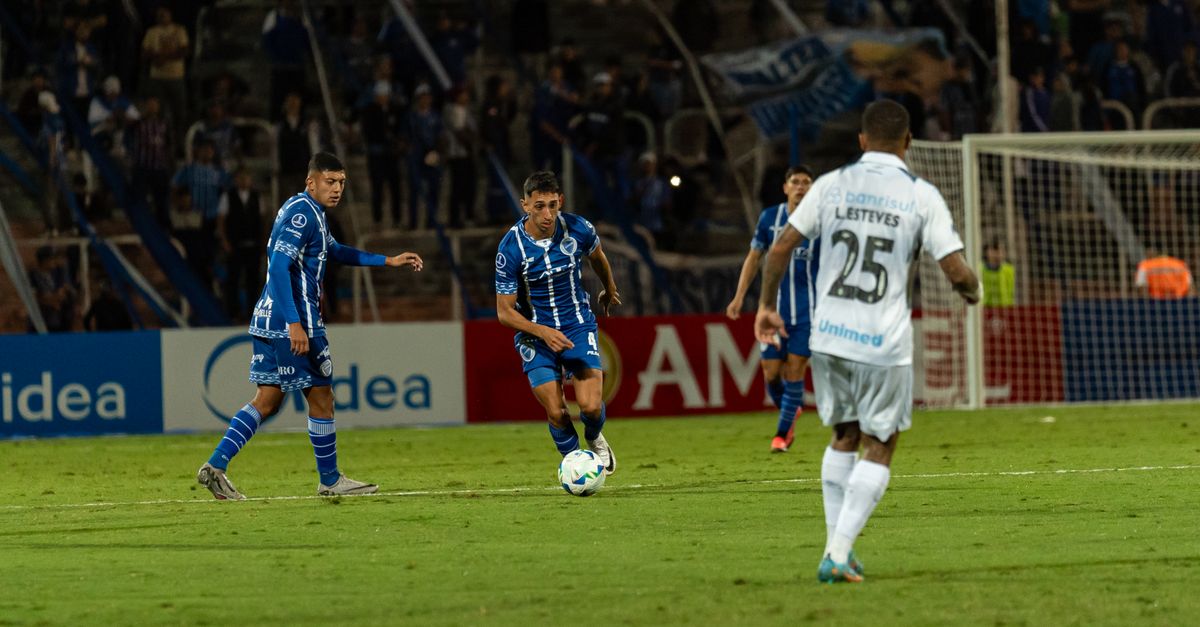
The finest tactician can orchestrate a symphony of passes at club level, yet the same blueprint may fall flat when the stadium lights shift to a neutral venue and a new set of faces fills the dressing room.
The cultural context of international squads
International football gathers talent from clubs that play under vastly different philosophies. A manager arriving from the Bundesliga, for example, may expect a high‑pressing, possession‑heavy approach, yet many of his players spend most of the season in leagues that prize direct play. Sean Peter Budge summed it up succinctly: “At international level it’s probably more about ‘what players have I got and what is the best system to suit our talent, maximise our strengths and mitigate our weaknesses,’ rather than developing patterns of play via pure tactical training.”
Cultural expectations extend beyond the pitch. In Turkey, foreign coaches once enjoyed a tactical edge because the Süper Lig professionalised later than its Western neighbours. Between 1983 and 2007 only a handful of Turkish managers captured the league title, while expatriates often introduced new ideas that initially succeeded. The later professionalisation meant players were less accustomed to intricate game plans, creating a friction point for any incoming mastermind.
Player chemistry versus tactical blueprints
A domestic side benefits from daily training sessions, shared routines and a stable hierarchy. Those ingredients dissolve when a national team assembles for a fortnight before a tournament. Even the most disciplined system can be undone by a lack of mutual understanding. Studies of elite squads show that teams with higher interpersonal trust outperform those that rely solely on tactical rigidity.
A perfect system on paper crumbles the moment the locker‑room dynamics shift.
When England’s 2018 World Cup campaign faltered, analysts pointed not just to tactical missteps but to a disconnect between the backline’s club habits and the manager’s high‑line demands. The lesson repeats across continents: a manager must read the squad’s existing relationships and either reinforce them or rebuild them swiftly.
Adaptability: when a system meets a new opposition
The modern game has leveled the tactical playing field; as one commentary noted, “Effective tactics are now common practice for every team. Gains are slight and often cancel out.” Consequently, the edge lies in flexibility. A coach who rigidly applies a 4‑3‑3 used to dominate the Premier League may find himself out‑maneuvered by a South American side that thrives on fluid interchanges and positional swaps.
Adapting does not mean abandoning one’s principles; it means reshaping them. Portugal’s 2016 triumph illustrated this perfectly: the manager kept his preferred possession style but altered the pressing triggers to suit the physicality of his defenders, blending his philosophy with the squad’s reality.
For readers curious about tactical evolution, see how the fading Why is the number 10 role disappearing? mirrors the shift from rigid roles to interchangeable positions.