
Football
All things football on SportCells — reports, transfers, analysis and the explainers behind the world’s game.
 Football Explained
Why did England eliminate standing terraces?
England’s shift from standing terraces to all‑seater stadiums was forced by the 1989 Hillsborough tragedy, sparking safety laws that reshaped the game.
Read more → Football Explained
Why do release clauses exist?
Release clauses lock in a set price for a player’s exit, shielding clubs’ investments while giving talent a clear route out when they hit the market.
Read more → Football Explained
Why is sprint speed so important now?
Sprint speed now decides who scores, who stays fit and who commands the modern game’s relentless tempo – a silent edge that separates elite from ordinary.
Read more → Football Explained
Why did Gegenpressing revolutionize football?
Gegenpressing transformed football by emphasizing immediate pressure after losing possession, creating attacking opportunities through defensive aggression, and revolutionizing the way teams approach the game.
Read more → Football Explained
Why did tiki-taka dominate world football?
Tiki-taka dominated world football due to its emphasis on short passing, movement, and maintaining possession, allowing teams like Spain and Barcelona to outmaneuver opponents and win major titles.
Read more → Football Explained
Why do England and Germany have a historic rivalry?
England and Germany have a historic rivalry due to a combination of factors including past wars, economic competition, and sporting events, with their football matches being a notable example of this intense competition.
Read more → Football Explained
Why is number 10 so iconic?
The number 10 shirt is football's most iconic jersey, worn by legendary players like Pelé, Diego Maradona, and Lionel Messi, symbolizing creativity, leadership, and footballing genius, but what makes it so revered in the sport, especially in the FIFA World Cup?
Read more → Football Explained
Why do fans celebrate old goals decades later?
Fans relive iconic strikes decades later because the memory of a goal becomes a touchstone of identity, nostalgia and collective pride that never truly fades.
Read more → Football Explained
Why do clubs loan out young players instead of playing them?
Clubs loan out youngsters to fast‑track experience, trim wage bills and protect squad balance – a pragmatic bridge between academy promise and senior reality.
Read more → Football Explained
Why did Brazil become the spiritual home of football?
Brazil’s love affair with football grew from a British import in 1894 to a national myth, forged by dictatorship‑era TV, samba‑infused flair and the legendary 1970 World Cup triumph.
Read more → Football Explained
Why was Marco van Basten forced to retire so early?
Marco van Basten was forced to retire at 28 due to chronic ankle injuries, cutting short a promising football career and denying the world a decade more of his exceptional skills and talents.
Read more → Football Explained
Why did an entire team once disappear in a plane crash?
A plane crash once led to the disappearance of an entire team, with the Manchester United football club being one of the most notable examples, where six coaches and 23 people died in a crash in Munich in 1958, and other teams like Chapecoense and Marshall University football team also suffered similar tragedies.
Read more → Football Explained
What if Johan Cruyff had played in the 1978 World Cup?
Johan Cruyff's absence from the 1978 World Cup due to family safety concerns is a pivotal moment in football history, leaving many to wonder what could have been if he played, potentially altering the Netherlands' chances of winning.
Read more → Football Explained
Why has England struggled internationally despite having the richest league?
England boasts the world’s richest league, yet the national side’s trophy cabinet remains stubbornly bare beyond 1966, a paradox rooted in tactics, mindset and the myth of domestic superiority.
Read more → Football Explained
Why did dictators build football stadiums?
Dictators turned football stadiums into monuments of power, using the beautiful game to forge national myth, mask oppression and project soft‑power abroad.
Read more → Football Explained
Why does Argentina wear sky blue and white stripes?
Discover the history behind Argentina's iconic sky blue and white stripes, a symbol of national pride and footballing excellence, as the team prepares for the FIFA World Cup 2026, with stars like Lionel Messi and Lautaro Martinez leading the charge.
Read more → Football Explained
Why do the Netherlands wear orange when their flag isn't orange?
The Netherlands wear orange due to their historical connection to the House of Orange, despite their flag featuring red, white, and blue. This tradition is deeply rooted in Dutch culture and identity.
Read more → Football Explained
Why do players swap shirts after matches?
Football players swap shirts after matches as a sign of mutual respect, with the tradition dating back to 1931, and many players taking great pride in their collections, which can include shirts from famous players like Lionel Messi and Erling Haaland.
Read more →Football ExplainedWhat if the Bosman ruling never happened?
Imagine a 2020 Champions League where players still need a fee to leave a club after their contract ends – the Bosman decision never existed, and football’s labour market stays locked.
Read more → Football Explained
Why is the 1982 World Cup so beloved?
The 1982 World Cup endures as a football love‑letter, thanks to Brazil’s dazzling artistry, Italy’s gritty redemption and a final that still sparks debate.
Read more → Football Explained
Why do football clubs inspire lifelong loyalty?
Football clubs bind fans for life through shared identity, ritualised match‑day moments and a heritage that turns victories into personal pride and loss into collective resolve.
Read more → Football Explained
Why is Ajax's academy system copied by clubs worldwide?
Ajax’s youth academy blends Total Football, a rigorous scouting network and a low‑cost development ethos, making it the blueprint clubs worldwide scramble to imitate.
Read more →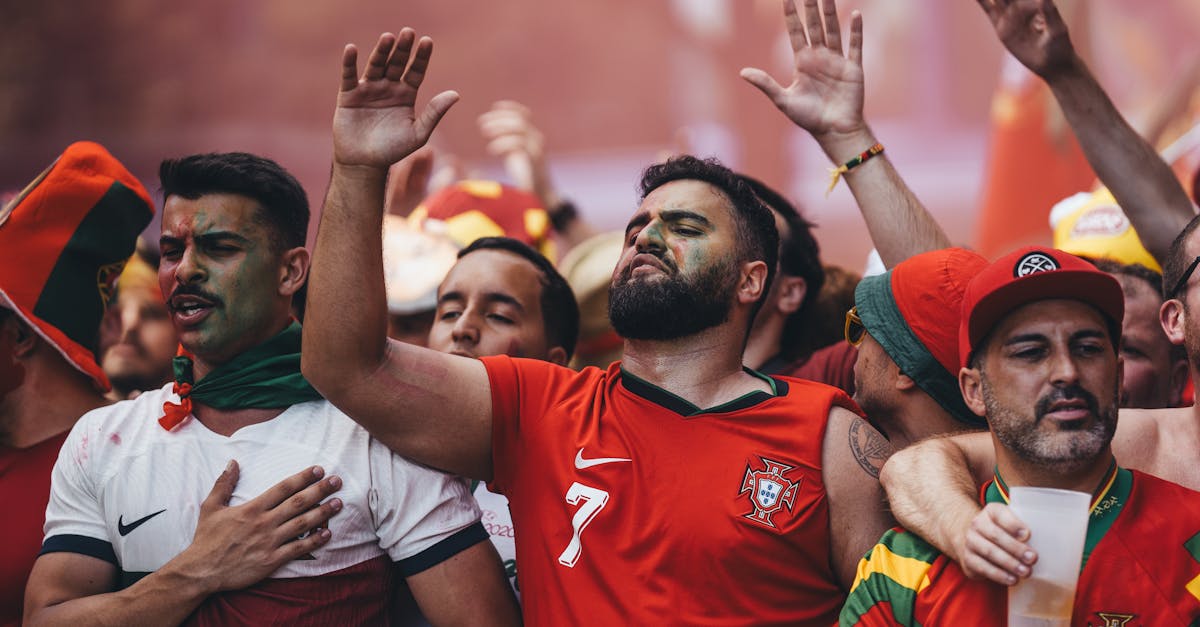 Football Explained
Why do some fans cry during club anthems?
Fans weep as club anthems play because the songs hold decades of identity, memory and community, turning a few bars into an emotional rite of belonging.
Read more → Football Explained
What if Pelé had played in Europe?
Pelé's career would have taken a different shape if he joined a European team, potentially winning more Ballon d'Or awards and changing the course of football history, with his legacy and impact on the sport still widely debated among fans and experts.
Read more → Football Explained
Why is Cameroon nicknamed the Indomitable Lions?
Cameroon's national football team is nicknamed the Indomitable Lions, a name that reflects the team's pride, strength, and determination. The origin of this iconic name dates back to 1972, a pivotal year for Cameroonian football. Learn more about the story behind the name and its significance in Cameroonian culture.
Read more →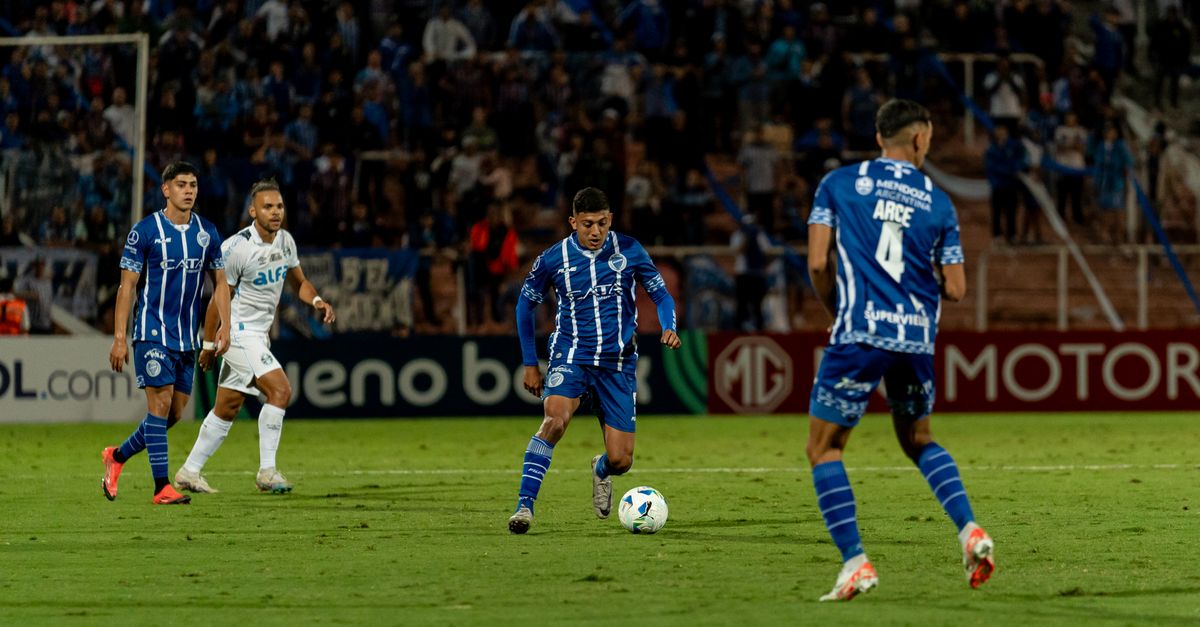 Football Explained
Why do some teams deliberately give up possession?
Some teams ditch endless passing, inviting the opposition forward and striking on the break – a calculated surrender that reshapes tempo, space and risk.
Read more → Football Explained
Why are football superstitions so common?
Football superstitions are common due to fans' and players' desire for control and good luck, with rituals like lucky kits and pre-match routines being prevalent among teams and supporters, as seen in various football cultures and leagues, including the FIFA World Cup.
Read more → Football Explained
Why does football create collective national memories?
Football turns fleeting matches into shared national myths, binding strangers through ritual, colour and collective emotion.
Read more → Football Explained
Why does Portugal have an armillary sphere on its badge?
Discover the significance of the armillary sphere on Portugal's national football team badge, exploring its history and cultural context, and learn more about the country's rich symbolism and heritage in the world of football.
Read more → Football Explained
Why was Nottingham Forest once the best club in Europe?
Nottingham Forest was once the best club in Europe due to their impressive European Cup wins in 1979 and 1980, led by manager Brian Clough, who transformed the team into a dominant force in English and European football.
Read more →