
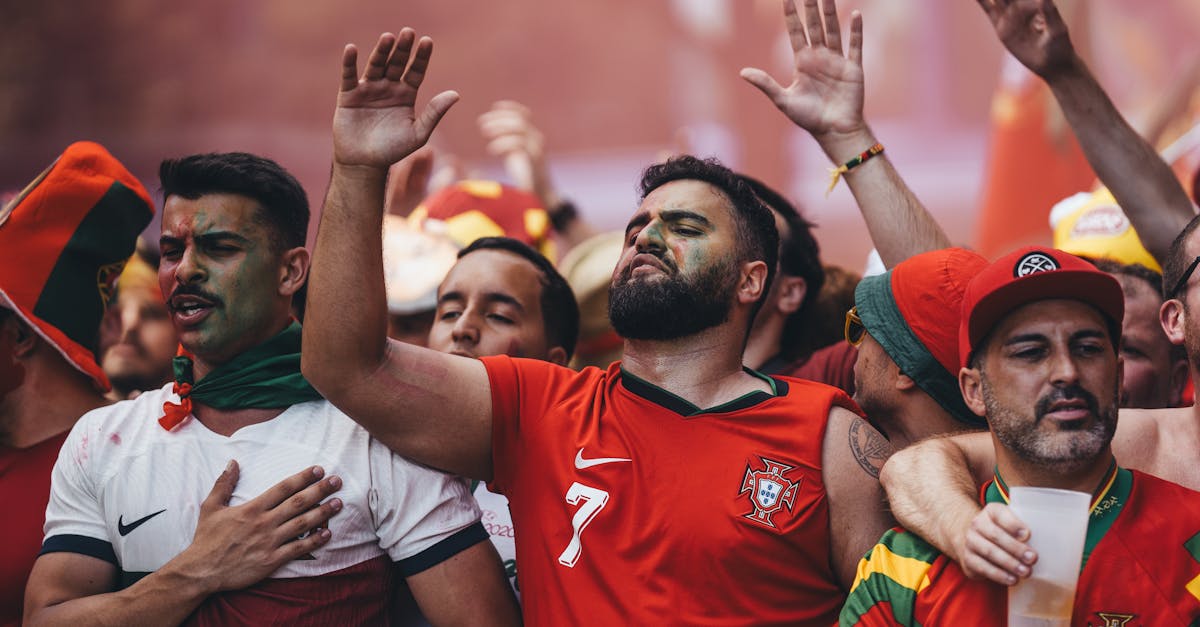
The first notes of a club anthem can feel like a sudden tide, pulling tears from strangers sitting side‑by‑side in a sea of scarves.
The anthem as a cultural anchor
Club anthems are more than stadium fillers; they are cultural artefacts. “You’ll Never Walk Alone,” first adopted by Liverpool in the early 1960s, has become a global shorthand for solidarity. In the German East, a song about steel forged in Hagen links the club’s identity to the region’s heavy‑industry roots, reminding supporters of a shared labour heritage. These tunes are deliberately unique – unlike the 1970s‑80s battle chants that focus on rival mockery, anthems are built to unite, not divide.
Memory, identity and collective grief
When a fan hears the opening bars, a cascade of personal milestones erupts: the first match attended, the day a beloved player retired, a family celebration marked by a win. The song becomes a mental time‑machine, compressing years into seconds. This compression explains why tears are not always about sorrow; they can be a release of joy, nostalgia, or even relief after a hard‑won promotion. The communal nature of the moment amplifies the feeling – a single sob can ripple through the stand, turning individual emotion into a collective ritual.
The psychology behind the tears
Dr Gbolagade Akintomide, a consultant psychiatrist, notes that football fans experience a “social identity” boost similar to that seen in tribal rituals. The anthem acts as a cue for the brain’s limbic system, prompting the release of oxytocin, the hormone of bonding. When the melody aligns with personal loss – perhaps the passing of a lifelong supporter – the same neurochemical surge can manifest as crying. It’s not melodrama; it’s the body’s way of processing deep‑seated attachment.
When the first notes rise, a flood of years slides down the spine of every supporter.
From steel towns to global stadiums
The transition from local work songs to worldwide anthems mirrors football’s own expansion. In the former DDR, clubs offered a safe haven for punks and free‑thinkers, with songs echoing dissent and community resilience. Today, the same principle underpins clubs across continents, from the chants of South American giants to the stadium anthems of Premier League powerhouses. The emotional weight remains unchanged, even as the audience swells from a few thousand to millions watching online.
For a deeper look at how fans express themselves, see why fans throw scarves in the air. Curious about the origins of other club nicknames? Check why Borussia Dortmund is called “Die Schwarzgelben”. And if you wonder how commercial deals intertwine with these traditions, read why shirt sponsorships are so valuable.