
Football Explained
The stories behind the game — badges, rivalries, rules, traditions and the “why” of world football, explained clearly by SportCells.
 Football Explained
Why is Real Madrid called "Los Blancos"?
Discover why Real Madrid is called "Los Blancos", exploring the history and context behind the iconic nickname, from their white kits to their successful football legacy.
Read more →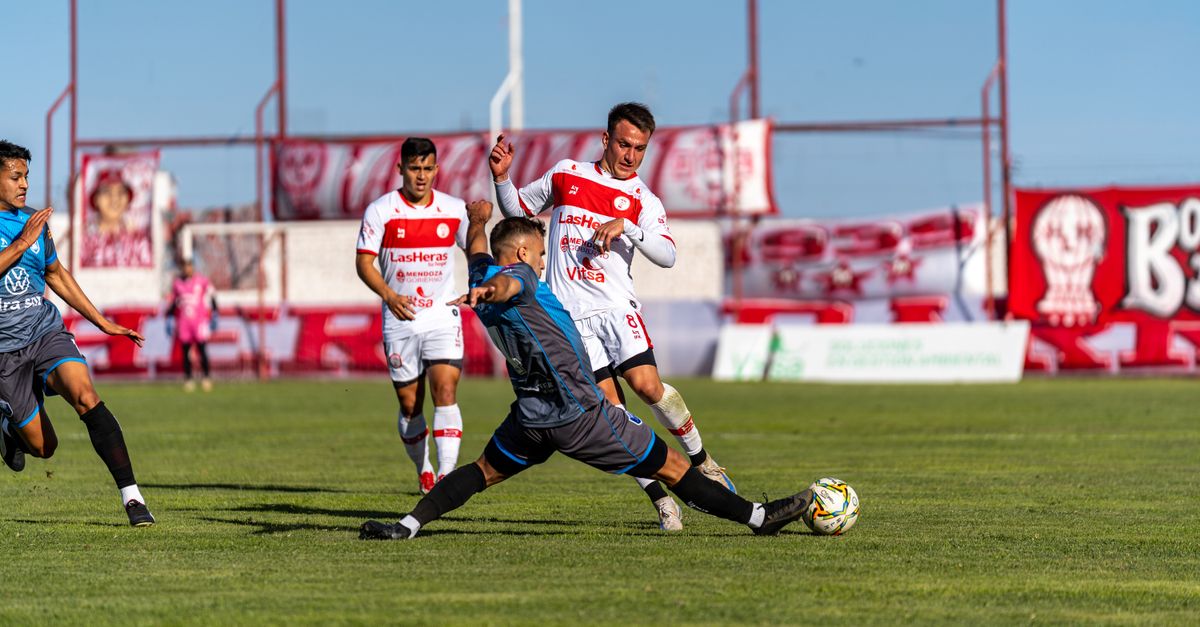 Football Explained
Why do some clubs have stars above their badges while others don't?
Stars above football badges signal historic triumphs – world cups for nations and landmark titles for clubs – a tradition that began in the late 1950s.
Read more →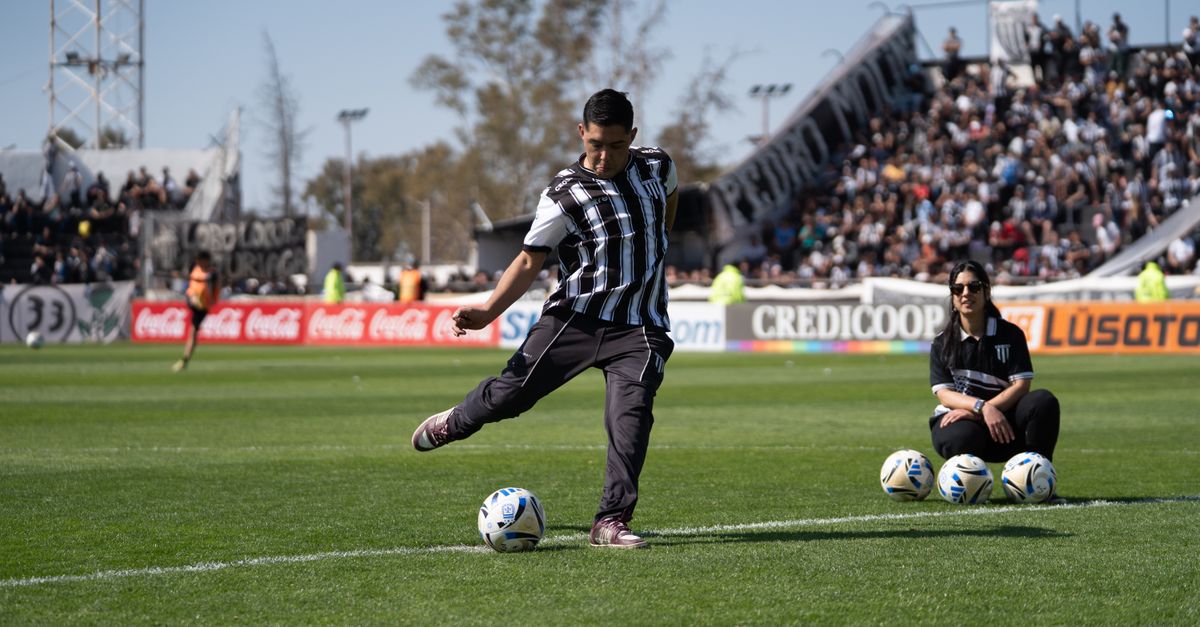 Football Explained
Why do football fans believe in superstitions?
Fans cling to lucky charms and match‑day rituals because superstition offers a tangible sense of control over football’s wild, emotional roller‑coaster.
Read more → Football Explained
Why was the 1966 World Cup trophy stolen?
The 1966 World Cup trophy was stolen from a stamp exhibition in London, but a dog named Pickles found it, saving the tournament from disaster, in one of the most unusual stories in football history, the Jules Rimet Trophy was stolen prior to the 1966 FIFA World Cup in England.
Read more → Football Explained
Why did the Cold War affect football tournaments?
The Cold War significantly affected football tournaments, with the sport serving as a proxy battlefield for ideological conflicts and a platform for nations to compete and collaborate, as seen in the 1974 FRG/GDR match and the 1994 FIFA World Cup.
Read more → Football Explained
Why did Pelé wear number 10?
Discover why Pelé wore the iconic number 10 jersey, a tradition that has been followed by many great soccer players, and learn about the history and significance of this prestigious number in football.
Read more → Football Explained
Why do international matches sometimes create diplomatic crises?
International football can turn fierce rivalry into diplomatic rows, from the 1969 “Football War” to modern World Cup flashpoints, because the sport is a proxy for national pride, politics and soft po
Read more → Football Explained
Why does Ajax have only one broad red stripe?
Discover why Ajax has a distinctive single broad red stripe on their shirt, a design that has been synonymous with the club for over a century, and explore the history behind this iconic look.
Read more → Football Explained
Why is Anfield's Kop so famous?
Anfield's Kop is famous due to its large, passionate, and feared single-tiered stand, named after the Battle of Spion Kop during the Boer War, where many British soldiers, including locals, lost their lives, and has since become an iconic symbol of Liverpool FC.
Read more → Football Explained
Why is Kosovo's participation in international football controversial?
Kosovo's participation in international football is controversial due to the country's disputed independence, with some nations, including Spain and Serbia, not recognizing its sovereignty, affecting its membership in FIFA and UEFA, and leading to complex geopolitical implications in the football world.
Read more → Football Explained
Why is PSG nicknamed "Les Parisiens"?
Paris Saint-Germain is nicknamed Les Parisiens, meaning The Parisians, due to the club's representation of the city of Paris, founded through the merger of Paris FC and Stade Saint-Germain in 1970, with a rich history and multiple nicknames.
Read more → Football Explained
Why do football clubs get sold so often?
Football clubs change hands as losses meet soaring valuations, with global investors eyeing branding, digital revenue and the power of a global fanbase.
Read more → Football Explained
Why was the 1978 World Cup in Argentina controversial?
The 1978 World Cup in Argentina was controversial due to allegations of match-fixing and the country's military dictatorship, with the host nation's road to glory paved by suspicious circumstances, including a 6-0 win over Peru that raised eyebrows and sparked debate about the tournament's integrity.
Read more → Football Explained
Why did the British invent football but stop dominating it?
The British codified football in the 19th century, yet the sport’s global spread, professionalism and new governing rules eroded their early dominance.
Read more → Football Explained
Why is South Korea called the Taegeuk Warriors?
South Korea's national football team is nicknamed the Taegeuk Warriors, a name that reflects the country's national flag and symbolizes balance and harmony, learn more about the team's history and context.
Read more →Football ExplainedWhy is Pelé called "The King of Football"?
Pelé is called the King of Football due to his outstanding performance in the 1958 World Cup, earning him the title that stuck for life, symbolizing his exceptional skills and lasting impact on the sport.
Read more → Football Explained
Why do football commentators create legendary phrases?
Commentators turn fleeting drama into timeless catch‑phrases, weaving emotion, culture and language into the very fabric of football history.
Read more → Football Explained
Why did Juventus originally wear pink?
Discover why Juventus originally wore pink kits, and how their iconic black and white stripes came to be, tracing back to their founding in 1897 and an interesting connection to an English team.
Read more → Football Explained
Why are inverted full-backs used in modern football?
Inverted full‑backs slip into midfield, creating central overloads, tightening possession and offering instant defensive cover the moment possession is lost.
Read more → Football Explained
Why is El Clásico bigger than just football?
El Clásico is bigger than just football due to its deep cultural, regional, and political significance, making it a highly anticipated and widely watched event, surpassing other major sports games in viewership and passion.
Read more → Football Explained
Why does Benfica have an eagle?
Discover why Benfica, a Portuguese football club, features an eagle as its symbol, and explore the history and significance behind this iconic emblem, a representation of independence, authority, and nobility.
Read more → Football Explained
Why do some countries use political symbols in football chants?
Some countries use political symbols in football chants as an expression of collective identity, pride, and socio-political discontent, often adapting popular songs to symbolize their importance and create a shared sense of purpose among fans.
Read more → Football Explained
Why is the Old Firm rivalry so intense?
The Old Firm rivalry between Celtic and Rangers is intense due to a complex mix of religious, political, and national identity differences, as well as a long history of violence and sectarianism, making it one of the most famous and divisive derbies in world football.
Read more → Football Explained
Why are safe-standing sections returning?
Safe‑standing is back in English football thanks to new tech, a 2022 legal shift and clubs winning licences to let fans stand safely again.
Read more → Football Explained
Why did Parma collapse despite being a giant in the 1990s?
Parma's decline was largely due to the bankruptcy of their backing consortium, causing the club to collapse almost overnight, and new owners struggled to recover from the financial scandal.
Read more → Football Explained
Why are shirt sponsorships so valuable?
Shirt sponsorships turn a football kit into a global billboard, delivering massive visibility, deep fan loyalty and multi‑million‑pound revenue for clubs.
Read more →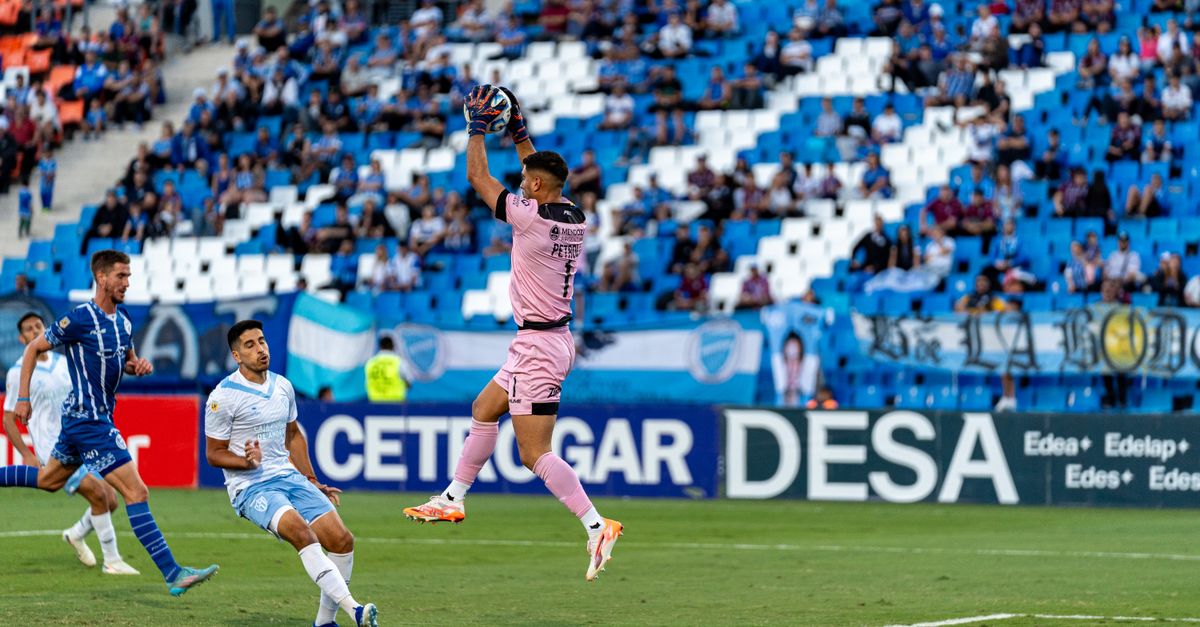 Football Explained
Why does Argentina produce so many creative players?
Argentina’s knack for spawning inventors of the beautiful game stems from cramped city streets, a free‑spirited coaching ethos and a cultural love‑affair with the ball that turns every youngster into
Read more → Football Explained
Why did Arsenal move from south London to north London?
Arsenal moved from south London to north London in 1913 due to financial troubles, low attendance, and a desire for better facilities and transport links, settling in Highbury.
Read more → Football Explained
Why did football survive two World Wars?
Football endured two world wars because it became a morale‑boosting, fitness‑focused lifeline, with adaptable leagues, military matches and government support keeping the game alive.
Read more → Football Explained
Why do some football memories feel more vivid than real-life memories?
Some football memories burn brighter than everyday life because early‑adult moments, strong emotions and nostalgic cues fuse to make those recollections unusually vivid.
Read more →