
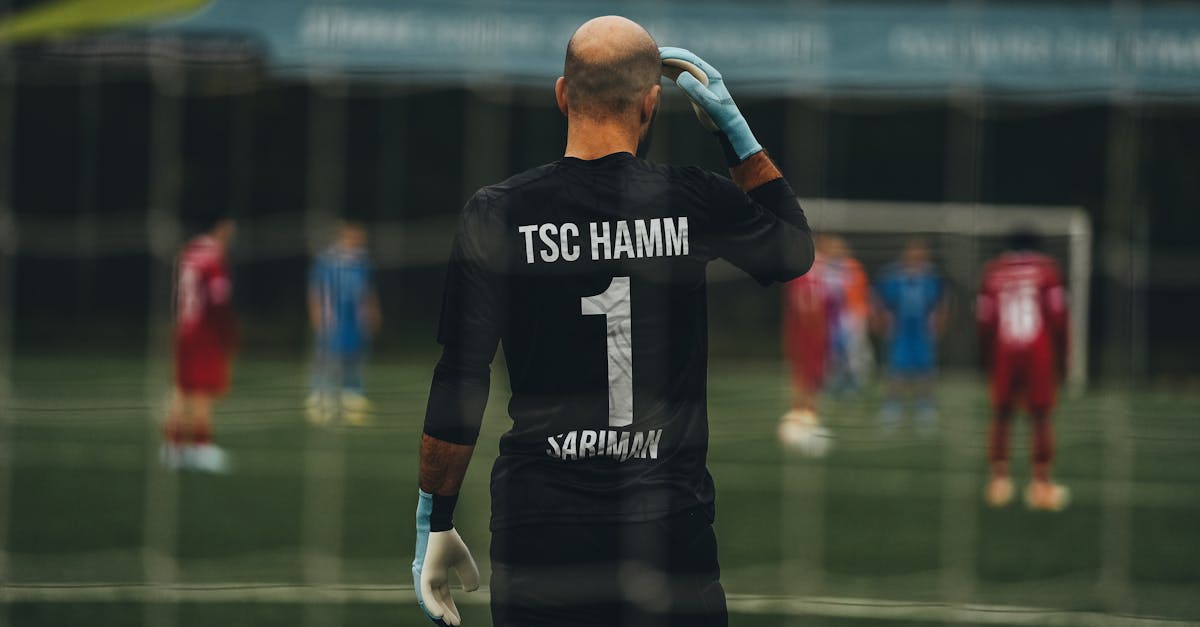
Modern goalkeepers act as playmakers because their role has evolved to include significant involvement in build-up play, tactical decision-making, and ball-handling skills. This shift has transformed the goalkeeper's position from a solely defensive role to a more dynamic and influential one.
The Evolution of the Goalkeeper's Role
The traditional view of a goalkeeper as solely a shot-stopper has been replaced by a more nuanced understanding of their role in the team. With the introduction of rules such as the back-pass rule, which prevents goalkeepers from handling the ball when it is passed back to them from a teammate's foot, the goalkeeper's role has become more complex. Coaches now base their build-up play on the goalkeeper's ability with their feet, and the goalkeeper is expected to be as skilled with the ball as any other player on the team.
Tactical Importance
This shift in the goalkeeper's role has significant implications for the team's overall strategy. With the goalkeeper acting as a playmaker, the team can maintain possession and build attacks from the back, rather than relying on long balls and counter-attacks. This approach requires a high level of technical skill and tactical awareness from the goalkeeper, as well as the ability to read the game and make effective decisions.
Ball-Handling and Distribution
The ability of goalkeepers to handle the ball effectively is crucial in modern football. With the decrease in long passes, goalkeepers are now expected to distribute the ball precisely and effectively, often to teammates in tight spaces. This requires a high level of technical skill, as well as the ability to read the game and identify opportunities for distribution. For more information on football tactics and strategies, visit our football explained section, or check out the latest football news.
Sources
The modern goalkeeper: football tactics explained](https://learning.coachesvoice.com/cv/modern-goalkeeper-football-tactics-explained-alisson-ederson-ter-stegen)