
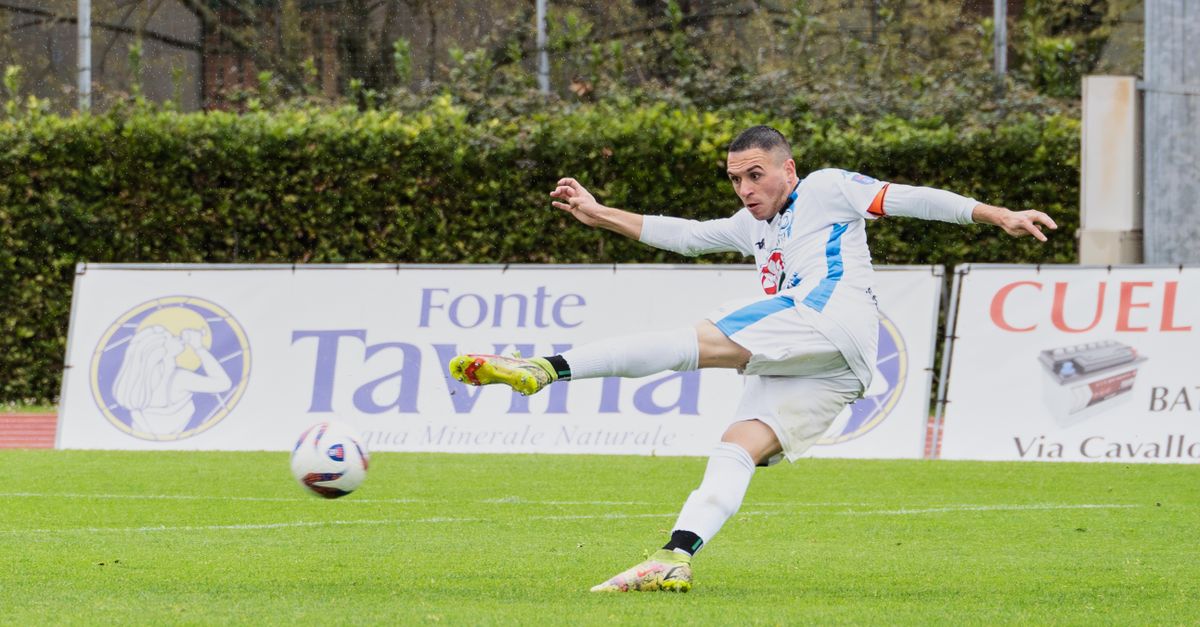
Serie A is more than a competition; it carries the very word Italians use for the game itself—calcio—a nod to centuries‑old kicking traditions.
The Birth of the Word “Calcio”
The Italian verb calciare means “to kick,” and the noun calcio originally described a rustic street game played in Renaissance Florence and Siena. Known today as calcio storico fiorentino, it involved teams of 27 players battling for a leather ball in a sand‑filled arena. When the modern rules of association football arrived from England in the late 1800s, Italians naturally referred to it as gioco del calcio—the “kick game.” By the time the first national championship took shape in 1898, the shorthand calcio was already entrenched in newspapers and club chants.
From Early Championships to Lega Serie A
The inaugural Italian Football Championship ran under the auspices of the Federazione Italiana Giuoco Calcio. In 1929 the competition split into a single‑round top tier, officially titled Serie A. The league’s administration shifted over the decades: after World War II the Lega Nazionale Professionisti (LNP) took charge, and in 1964 the Lega Calcio replaced the earlier federation, eventually becoming Lega Serie A. Throughout these restructurings, the public and press never abandoned calcio as the everyday label for the sport, and the league inherited the same linguistic shortcut.
Why “Calcio” Still Dominates the Lexicon
Even with sponsorship names like Serie A Enilive or Serie A Made in Italy, Italians rarely say “Serie A” in casual conversation. They speak of il calcio when discussing match‑day rituals, transfer gossip, or the emotional weight of a derby. The word evokes more than a league; it summons images of the catenaccio defensive art, the lyrical tiki‑taka of Italian midfielders, and the passionate chants echoing from San Siro to the Stadio Olimpico. This linguistic habit ties the present to the past, reminding fans that today’s professional spectacle sits on a foundation of centuries‑old kicking games.
“When you hear ‘calcio’, you hear the echo of a stone‑paved piazza, the thud of a leather ball, and the roar of a nation.”
For a deeper look at how football intertwines with local myth, see why Diego Maradona became a saint‑like figure in Naples [/news/why-did-diego-maradona-become-a-saint-like-figure-in-naples] or explore the rituals that bind players to luck [/news/why-do-footballers-have-lucky-rituals].