
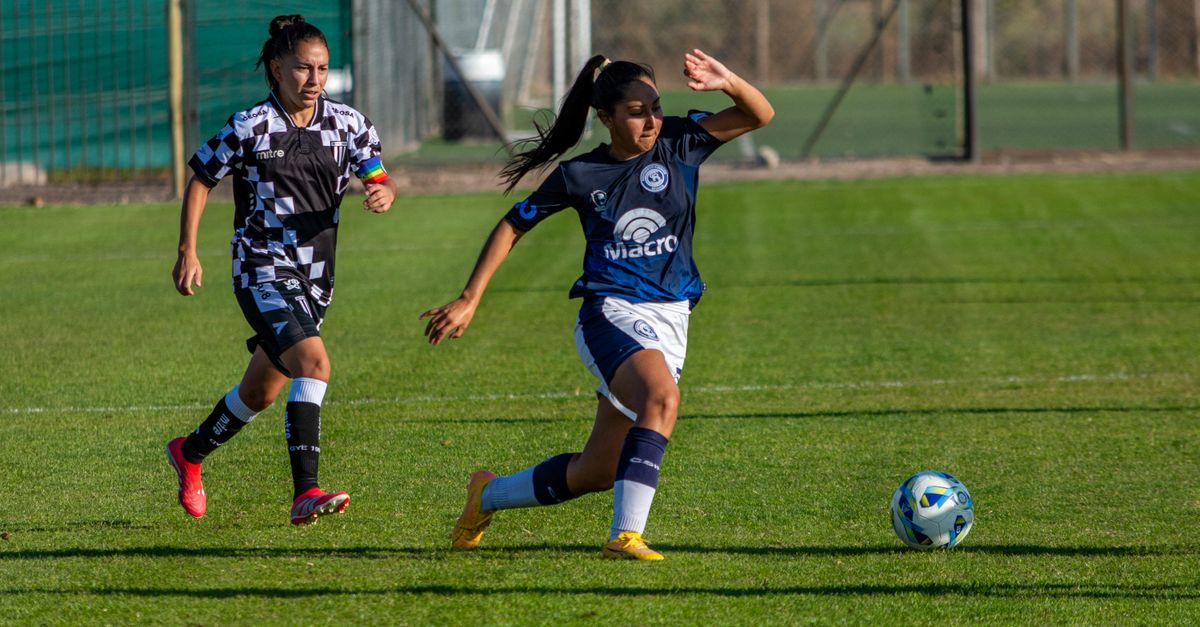
Marta’s feet have rewritten every record book she’s ever touched, and her smile on the pitch tells the same story: brilliance that transcends statistics.
Record‑breaking numbers
Marta burst onto the senior Brazil squad in 2003 after a standout U‑20 campaign in 2002. Since then she has amassed 122 goals for the Seleção, eclipsing legends on both sides of the gender divide. Her World‑Cup tally – the highest in tournament history – came across five editions, each time proving that a single player can tilt the balance of a global stage.
Her club journey, from the Brazilian leagues to the United States’ Orlando Pride in the NWSL, mirrors the migration pattern of many top talents seeking higher competition and visibility. The move also illustrates why some managers succeed only in certain countries, a dynamic explored in depth here.
Longevity and influence
Few athletes sustain elite performance across two decades. Marta’s agility, dribbling flair and instinctive finishing have evolved rather than faded. Even as the game professionalised, she remained a constant voice for player rights, pushing for better wages and conditions – a stance that resonates with the debate on why footballers often wear the same boots for years, a topic examined here.
“When she scores, the stadium doesn’t just hear a goal; it feels a heartbeat that belongs to every girl who ever dreamed of a ball at her feet.”
Her leadership extends beyond the pitch. As Brazil’s captain, Marta has mentored a generation of forwards who now model their game on her signature step‑over and laser‑accurate finishing.
Cultural impact and legacy
Marta’s influence reaches into Brazilian popular culture, where she is as synonymous with football as samba is with music. Her success helped lift women’s football into the national conversation, prompting increased broadcast coverage and grassroots investment. The ripple effect can be traced to the surge in youth participation that followed Brazil’s 2007 Pan‑American triumph, a milestone often linked to the broader question of why some stadiums have one stand more famous than the others – the answer lies in the stories those stands host, like Marta’s historic displays.
Beyond Brazil, Marta’s global ambassador role has inspired FIFA’s push for a women’s Club World Cup, an initiative that could reshape the sport’s calendar much like the Gegenpressing revolution reshaped tactical thinking – read more about that shift here.