
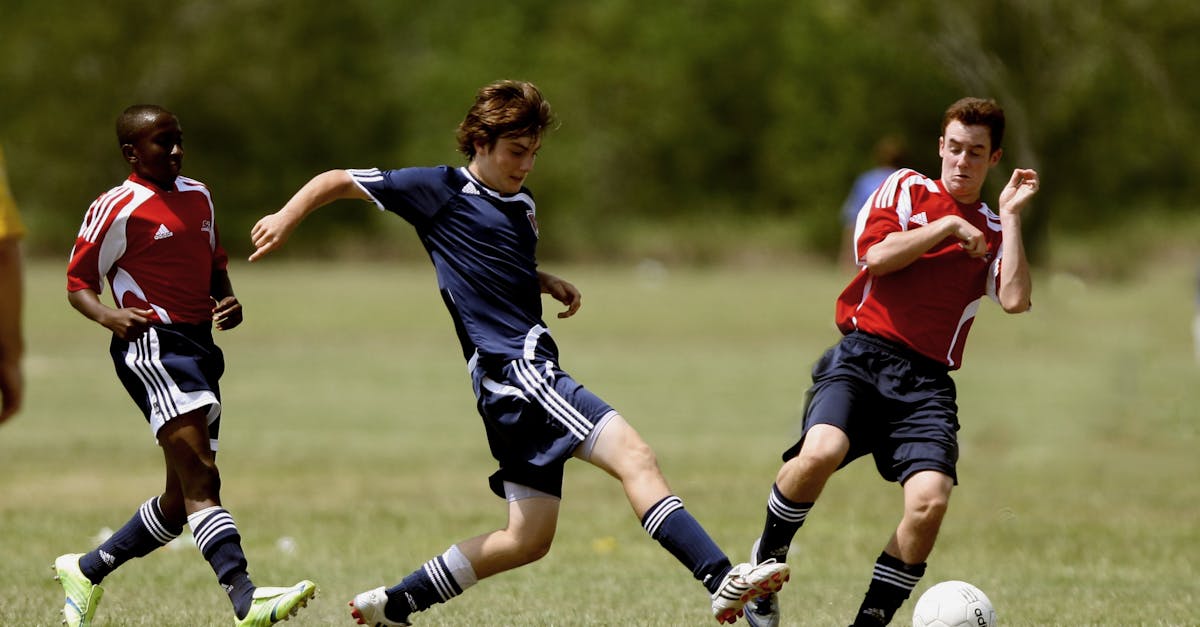
A well‑drilled counter‑attack can unsettle a team that dominates possession, turning their forward thrust into a liability within seconds of losing the ball.
The Tactical Logic Behind the Counter
When a strong side presses high, its back line is often pushed well beyond the halfway line. The moment the ball is reclaimed, those gaps become corridors for a quick forward pass or a long ball into the channel. Research from the Northwestern Sports Analytics Group notes that successful counters demand “very fast” attackers and a “ball‑winning midfielder” to initiate the move. The speed differential compresses the time defenders have to reorganise, raising the probability of a clear‑cut shot or a one‑on‑one with the keeper.
A comparative analysis of Serie A, La Liga and the Premier League found that counter‑attacks are statistically more efficient than positional attacks across all three leagues, with Serie A showing the highest efficiency. The study linked this edge to central‑zone penetrations, where a swift switch from defence to attack catches opponents off‑balance.
Players Who Make It Work
Speed alone is not enough; the system needs a “ball‑winning midfielder” capable of shielding the defence and delivering a precise outlet pass. Historically, players like N’Golo Kanté or Jordan Henderson embody this role – they win the ball, protect the back four and instantly look for the winger sprinting into space.
Wingers and forwards must combine blistering pace with composure. A well‑timed run behind a high line forces the opposition’s centre‑backs into a race, often resulting in a defensive error or a rushed clearance. The final third often sees a lone striker holding up play, allowing midfield runners to arrive late, a nuance that pure possession teams rarely anticipate.
The Cost‑Effective Edge
Strong teams usually have deeper squads and can afford to dominate possession, but they also command higher wages. Counter‑attacking clubs, by contrast, can thrive with a leaner payroll. The Northwestern report stresses that “it is often more cost‑effective than buying superior talent.” By focusing recruitment on speed, stamina and tactical intelligence rather than marquee names, clubs can compete against richer opponents. This model underpins the success of several mid‑table sides that have toppled giants in cup competitions.
“A swift break can turn a wall of pressure into a doorway for a single striker.”
The rise of counter‑pressing in modern football has blurred the line between pure defence and attack, yet the classic counter‑attack remains a potent weapon. As the game evolves, teams that master the balance between disciplined defending and rapid transition retain a strategic advantage, especially against those that over‑commit in search of goals.
For a deeper look at how football shapes identity, see why the sport creates stronger tribal ties than many others /news/why-does-football-create-stronger-tribal-identities-than-many-other-sports.