Portugal’s streets echo with the sound of a ball at every corner, but the country’s knack for churning out world‑class talent stems from more than street‑games – it is a product of systematic planning, relentless coaching and a market that pushes stars abroad.
The Cultural Bedrock
From the 1960s onward, football entered Portuguese households as a unifying narrative. The triumph of Eusébio at the 1966 World Cup turned the sport into a national emblem, inspiring generations to emulate his flair. Youth leagues across the country are organised by the Federação Portuguesa de Futebol, ensuring that even small towns host regular competitions. This pervasive exposure means that by the time a child reaches secondary school, they have already logged thousands of hours of informal play – the “street‑school” that many scouts credit for the technical finesse of players like Luís Figo and Cristiano Ronaldo.
Academy Excellence
The true engine lies in the academies of the “Big Three”. Sporting Clube de Portugal, renowned for its “Academia”, produced Ronaldo, Nani and João Moutinho through a curriculum that blends technical drills, tactical education and psychological support. Benfica’s “Seixal” centre, opened in 2006, introduced a data‑driven approach, tracking player metrics long before it became fashionable elsewhere. FC Porto’s “Dragões” program focuses on physical conditioning and positional versatility, feeding a steady stream of talent into both the senior side and the European market.
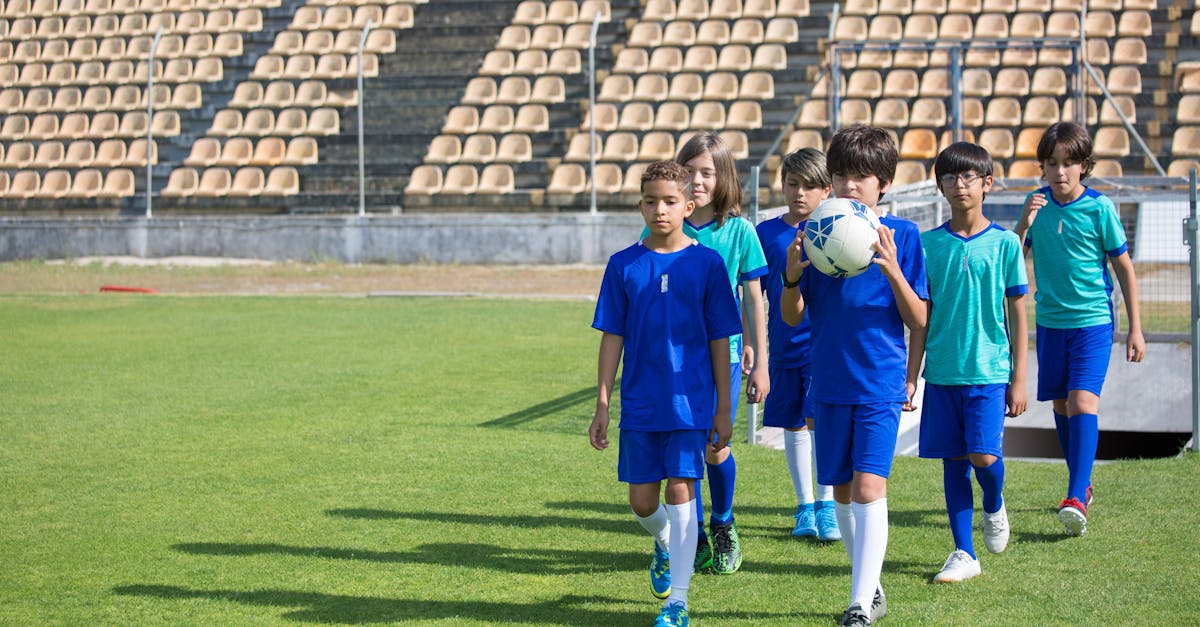
Coaching standards are elevated by the Portuguese Football Federation’s mandatory UEFA B licence for youth coaches, ensuring that a player’s formative years are overseen by qualified mentors. Moreover, clubs often partner with local schools, allowing players to balance education with training – a model that reduces dropout rates and nurtures well‑rounded athletes.
“From a ball at the back of a cul‑de‑sac to the world stage, the journey is written in the streets.”
Economic Imperatives and the Export Model
Portugal’s modest GDP and a tax regime that heavily burdens high earners mean domestic clubs cannot compete financially with the Premier League, La Liga or Serie A. Consequently, once a player signs a professional contract, clubs view a transfer as a vital revenue stream. Between 2010 and 2023, Portuguese clubs generated over €1 billion in transfer income, with Benfica alone posting record fees for João Félix and Rúben Dias.
This export‑driven model has a two‑fold effect. First, it funds the academies that continue the talent pipeline. Second, it creates a virtuous cycle where young prospects see a clear pathway to wealth and fame abroad, motivating them to excel locally. The pattern mirrors findings in recent academic studies that nations with smaller populations can still compete on the global stage when they specialise in talent export.
For fans curious about the financial side, see our piece on Why are football transfer fees so high?, which details how clubs like Porto leverage player sales to stay competitive.
The Role of Belief and Identity
Beyond structures, an intangible sense of belief fuels Portuguese players. The national team’s resurgence, highlighted by the Euro 2016 triumph, reinforced the notion that a country of ten million can challenge the traditional powerhouses. This confidence permeates academy halls, where coaches instil a “never‑underestimate‑size” mentality. It also resonates with the diaspora; many Portuguese families abroad maintain strong ties to the sport, creating a network that scouts tap into for talent identification.