
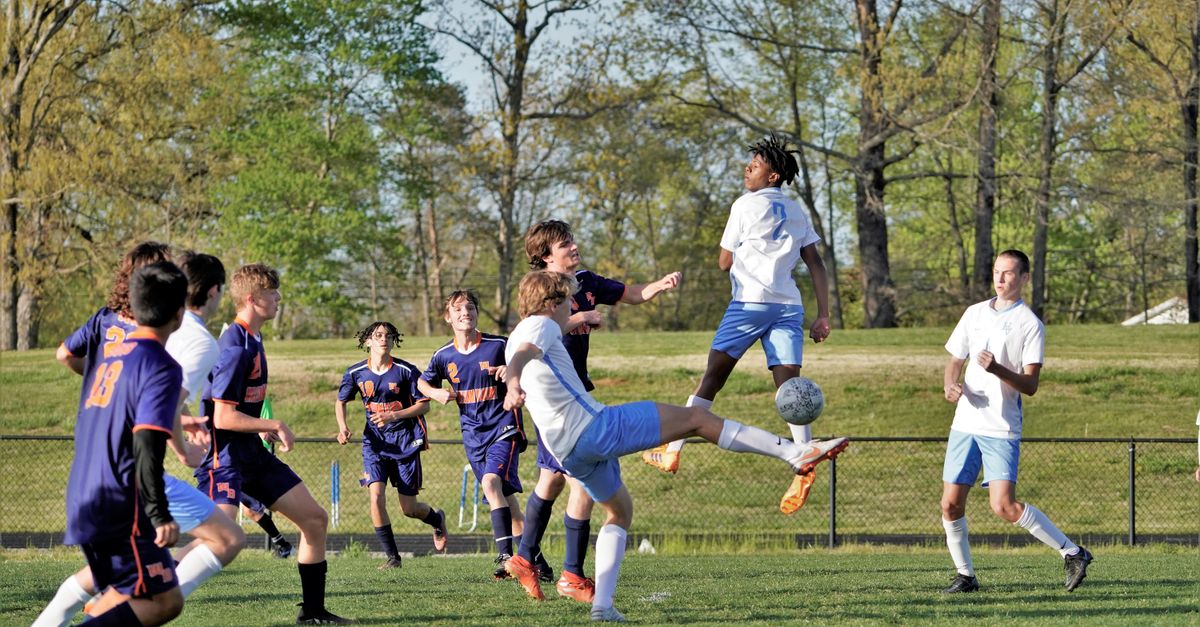
A team that presses high is trying to snatch the ball before the opposition can organise a rhythm, turning a defensive action into a direct scoring chance.
The tactical logic of the high press
When a side wins the ball back in the opposition’s third, it is already in a threatening zone. The high press forces the opponent, especially those that like to build from the back, into uncomfortable positions: a centre‑back receiving the ball with his back to goal, a goalkeeper forced to play a short pass under pressure. By crowding those spaces, the pressing team can cut off the short‑pass option and force a long ball, which is easier to win back or to exploit with a quick forward run.
The principle was refined in the late 2000s when Sir Alex Ferguson’s Manchester United and José Mourinho’s Chelsea adopted a 4‑3‑3 shape. The extra midfielder sits just ahead of the back‑four, ready to step up and press the centre‑backs as soon as they touch the ball. This structural tweak gave both clubs a platform to pressure high while still retaining defensive solidity.
When and how it works
A high press is most potent against sides that prefer to play out from the back. Those teams habitually look to draw the ball into their defensive third, then launch a measured build‑up. By pressing aggressively at that moment, the defending side can trap the ball‑carrier in a “pressing trap” – the defender is surrounded by opponents, his passing options are limited, and any mistake directly yields a scoring opportunity.
Coaches often programme a coordinated trigger: the forward presses the centre‑back, the nearest winger cuts the passing lane, and the central midfielder slides in to block the diagonal. The synchronisation creates a “man‑all‑over” pressure that can be described as a coordinated swarm rather than isolated duels.
“Press hard, win quick – the goal is to make the opponent think twice before he even touches the ball.”
The high press also dovetails with possession‑based philosophies. Once the ball is recovered high up the pitch, the team can immediately transition into a short‑passing phase, maintaining the pressure and keeping the opposition on the back foot. This cycle of press‑win‑keep‑press is what makes the approach so relentless.
Risks and evolution
Pressing high leaves space behind the defensive line. If the opponent manages to bypass the press with a well‑timed through ball, the pressing side can be exposed to a counter‑attack with only a few players between the ball and the goal. Consequently, modern high‑press teams train a “second line” of pressure – midfielders drop quickly to cover any gaps, and the full‑backs stay compact to prevent overloads on the flanks.
The evolution of the press has also seen hybrid models. Some managers combine a high press in the opening phases of a match with a low block later on, adapting to fatigue and the opponent’s adjustments. The tactical flexibility ensures that the high press remains a weapon rather than a one‑size‑fits‑all solution.
For a deeper dive into the culture behind football rituals, check out why do players kiss badges?(/news/why-do-players-kiss-badges) or the story behind the Revierderby(/news/why-is-dortmund-vs-schalke-called-the-revierderby).