
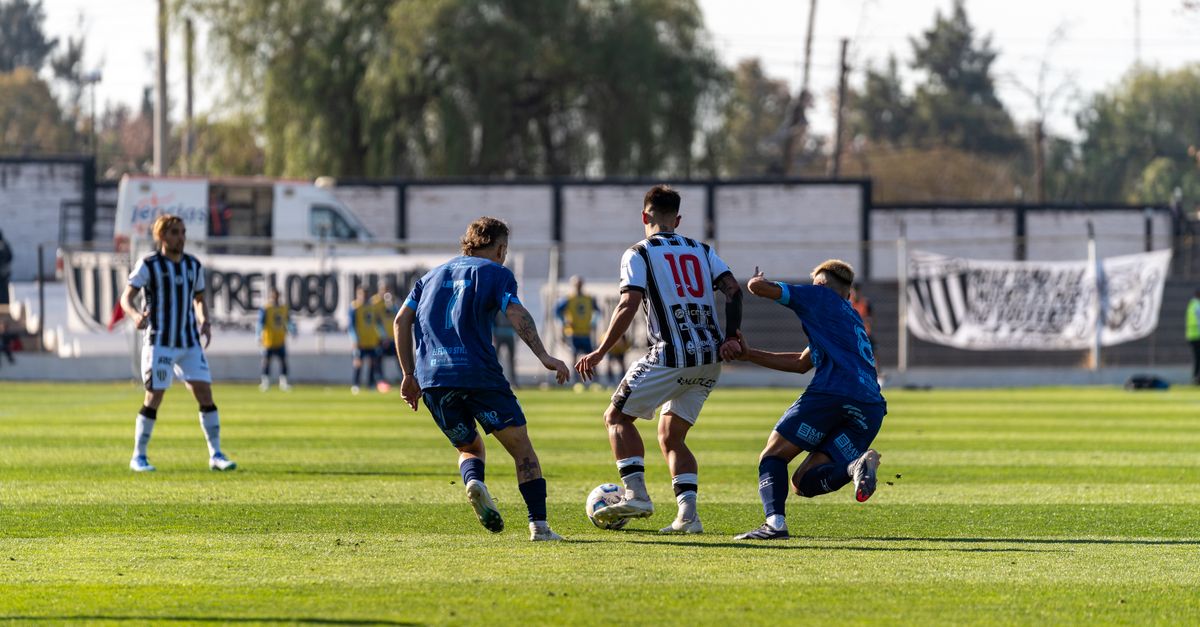
The roar of a crowd can shift in a heartbeat when a coach signals a change – a new player steps on, the rhythm rewrites itself.
The Physical Reset
When a player has been running for 70‑plus minutes, glycogen stores dip and muscle fatigue sets in. Research shows that substitutions are key for positively impacting a team’s physical output and match outcomes – the incoming player brings a burst of aerobic capacity that the tired starter can no longer sustain. This “injection of fresh energy” not only sustains offensive thrusts but also helps maintain defensive organisation during the closing stages, where lapses are most costly.
Coaches often time the third‑minute window after a goal or a red card to maximise the impact of fresh legs, ensuring the team can either consolidate a lead or chase an equaliser without the drag of exhaustion.
Tactical Re‑shaping
Beyond the physical, the substitution is a chess move. Managers may swap a winger for a target‑man to add aerial threat, or replace a holding midfielder with a box‑to‑box engine to increase pressing. The Sportmonks guide notes that tactical reasons sit at the heart of most changes – a shift in formation, a need for more width, or a desire to protect a lead by reinforcing the back line.
A fresh pair of legs can turn a lull into a roar.
The modern allowance of five substitutions, introduced to curb time‑wasting, gives coaches a palette of options. Each substitution must be made within three “windows” to prevent disruption, a rule that forces strategic grouping – a double‑sub at halftime, a quick late‑game change to chase a goal, or a defensive swap after a set‑piece.
Momentum and the Psychological Ripple
Football is as much a mental battle as a physical one. When a substitute steps onto the turf, the opposition must instantly recalibrate – a new striker's movement patterns, a different defensive posture, even a change in shirt number can unsettle rhythm. This psychological jolt often coincides with a measurable swing in momentum: teams that introduce attacking subs in the final 15 minutes see a spike in goal‑scoring chances, while defensive replacements can blunt an opponent’s surge.
The timing of late‑game subs, especially in the dying minutes, is a staple of drama. A fresh attacker can exploit tired defenders, while a defensive specialist can shore up a fragile lead, turning the tide without the need for a tactical overhaul.
The Regulatory Landscape and Its Influence
The shift from three to five substitutions, first trialled in the COVID‑19 era and now standard in many competitions, reshaped how managers plan their bench. The rule of three “opportunity windows” forces coaches to bundle changes, adding a layer of strategic depth. An extra substitution in extra‑time, permitted in knockout tournaments, further highlights how governing bodies view subs as a tool to preserve player welfare while keeping the spectacle alive.
For a deeper dive into how tactical decisions echo across a season, see our piece on Why are set pieces more important now? and the broader managerial churn in Why do some clubs constantly change managers?.