
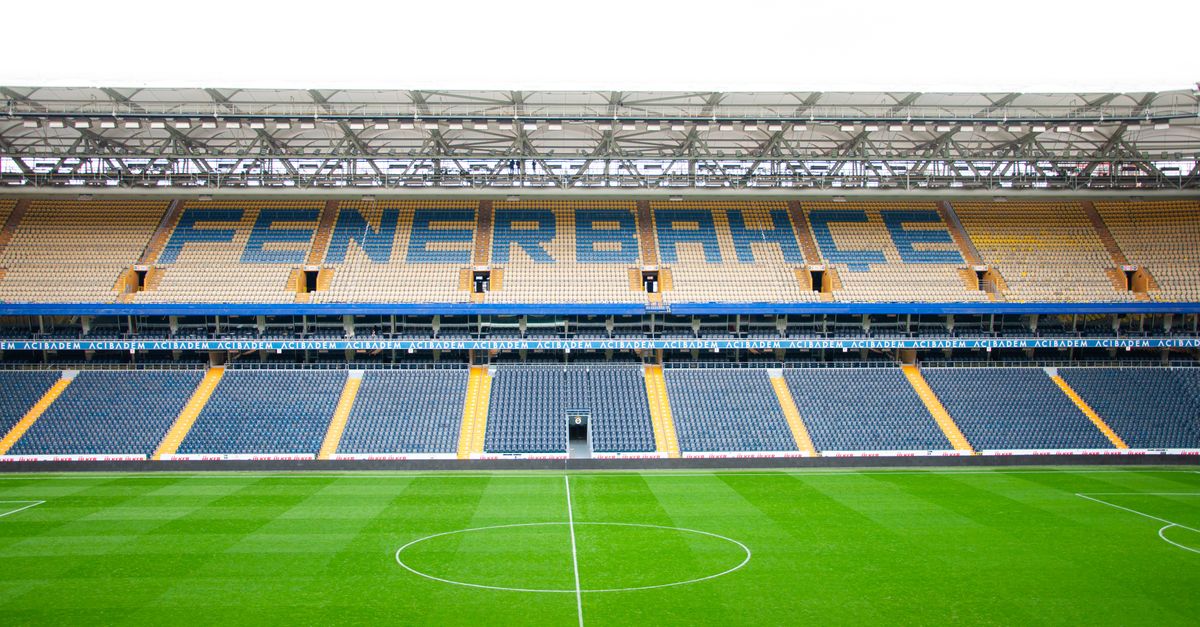
Some stadiums have standing sections to provide a safe and electric atmosphere for fans, while also increasing capacity. This is achieved through the implementation of safe standing areas, which are designed to ensure spectators can stand safely during events.
History of Standing Sections
Traditionally, most football grounds in the United Kingdom had terraces at each end and often on lower tiers along each side. However, a series of fatal incidents, including the 1971 Ibrox Park Stadium disaster, led to legislation requiring major clubs to develop all-seater stadiums during the 1990s. Since then, fan groups have campaigned against the ban on standing accommodation, arguing that new design options would allow designated standing areas to be built in compliance with all safety laws and guidelines.
Safe Standing in Practice
Safe standing areas have been used for some time in Germany, and Celtic have also successfully introduced a 2,900 capacity "safe standing section" in Scotland. The concept of safe standing is not limited to football, as it can be applied to various sports and events.
Benefits of Safe Standing
The main argument for safe standing is safety, as it prevents crowd crush and limits unruly behavior. Additionally, safe standing areas can increase stadium capacity, allowing more fans to attend matches. This can lead to a more electric atmosphere, which is often associated with standing sections.