
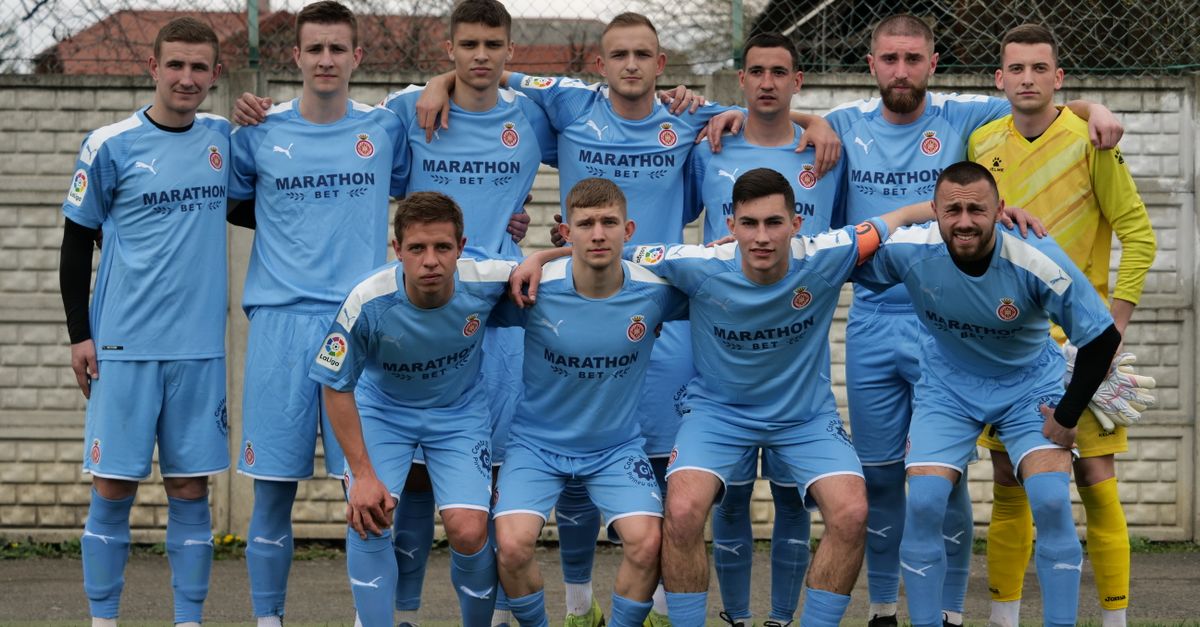
Football’s roar can drown out a marching band, but for many nationalist groups the chant is louder than any anthem. The pitch becomes a rallying point where colour, creed and cause converge.
Football as a Stage for Identity
From the early 20th‑century clubs founded in North Africa to today’s ultra‑laden terraces, football offers a ready‑made platform for collective identity. In Morocco, French‑introduced clubs were swiftly re‑branded by local activists, who used match days to distribute leaflets and organise protests against the protectorate. The stadium’s grandstand, with its rows of flags and banners, turned into a visual manifesto of “Morocco — free”.
The same pattern unfolded across the Arab world. Palestinian supporters, barred from official representation, turned local matches into symbolic displays of nationhood, chanting for a state that did not yet exist. The crowd’s unified voice created a temporary, yet potent, sense of sovereignty.
Colonial Roots and Anti‑Occupation Mobilisation
When the French brought the game to Algeria, they imagined it as a civilising pastime. Algerian nationalists, however, saw an opportunity to organise under the guise of sport. Clubs such as MC Alger were founded with explicit anti‑colonial intent, their matches serving as covert meetings where leaders could exchange information without arousing suspicion.
In the broader Middle East, Michel Foucault’s idea of “disciplinary societies” finds a mirror in how colonial powers used football to enforce order, while nationalist groups repurposed the same venues for dissent. The duality of the sport—both a tool of control and a weapon of resistance—made it uniquely suited to the era’s political chessboard.
Ultras, Parties and the Modern Political Pitch
The legacy of these early struggles lives on in contemporary fan cultures. Athletic Bilbao and Celtic FC, for example, are emblematic of regional nationalism; their supporters view the clubs as extensions of Basque and Irish identity respectively. In Spain, certain ultras groups openly align with nationalist parties, allowing entry to stadiums for members who share a political creed.
“When the crowd lifts its voice, borders blur and a new flag is imagined in the air.”
In some Eastern European leagues, paramilitary organisations have secured stadium sections, turning chants into rallying cries for broader political movements. This symbiosis provides parties with a captive audience while granting fans a sense of purpose beyond the 90 minutes.
From Protest to Propaganda: The Dual Edge of the Game
Football’s capacity to pacify and provoke makes it a double‑edged sword. Governments have historically sponsored national teams to showcase unity, while opposition groups have hijacked the same spectacles to expose grievances. The mass gathering of supporters offers a rare space where dissent can be vocalised without immediate repression—provided the crowd stays within the bounds of sport.
For a deeper look at how fan rituals echo broader societal currents, see our piece on why fans throw scarves in the air.
