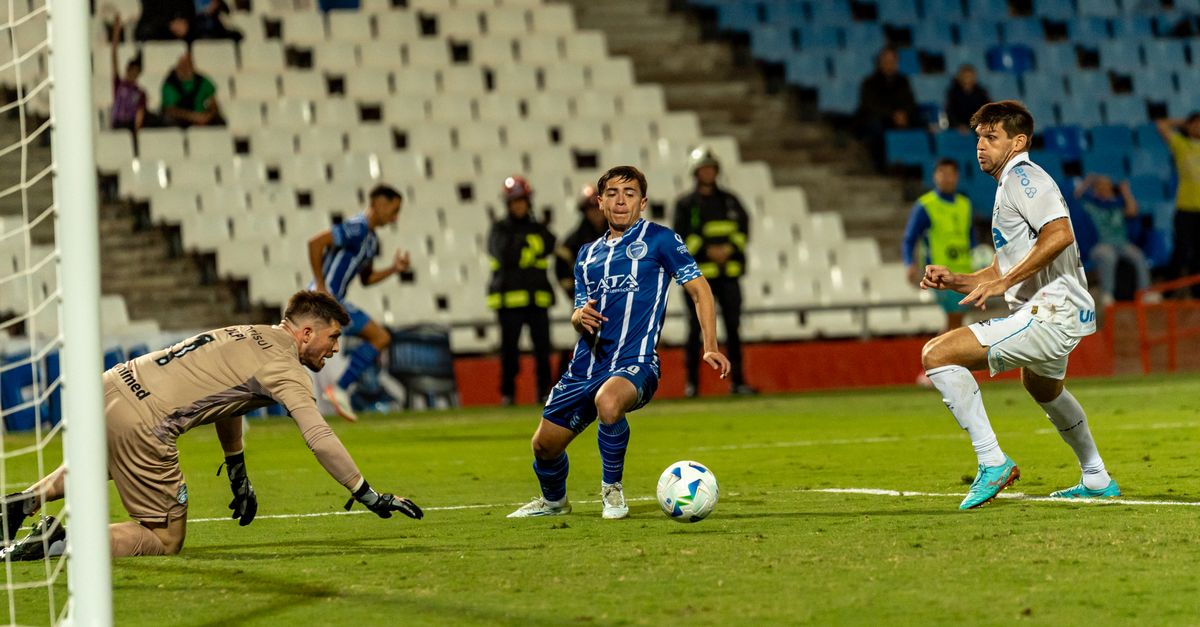
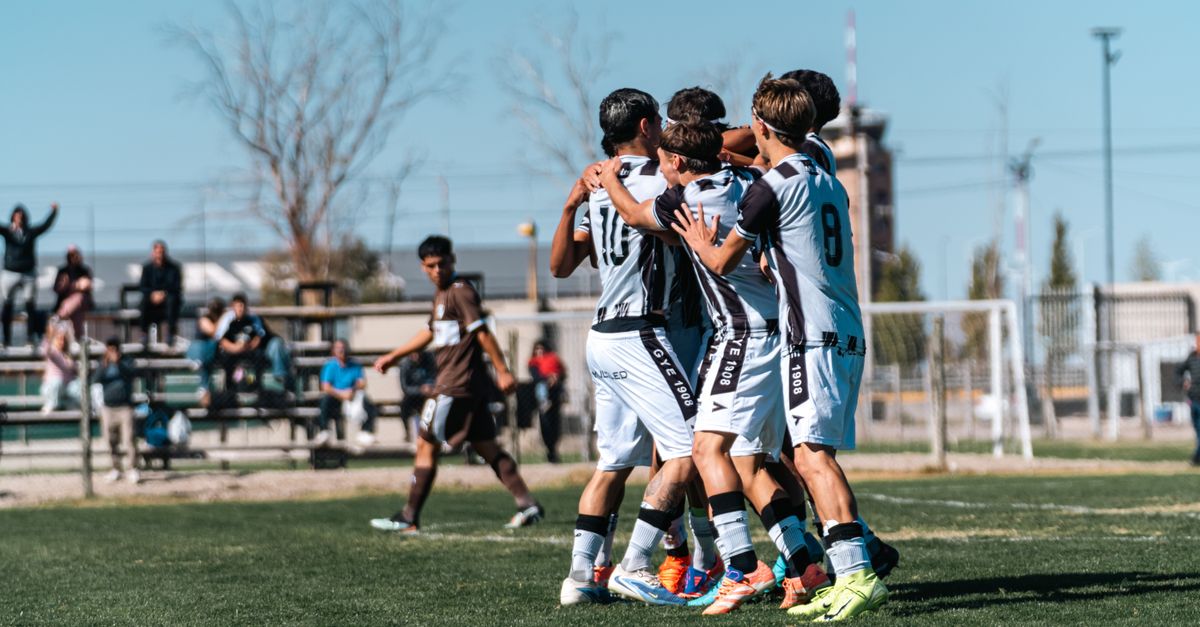
The roar of the crowd fades, the confetti settles, and a sudden quiet settles over the dressing room. In that instant the weight of months‑long pressure, injury setbacks and personal ambition can turn into tears.
The Weight of Expectation
From the moment a young player signs his first professional contract, the dream of silverware becomes a silent promise. The pressure builds with every league campaign, every knockout round, and every national‑team call‑up. When the final whistle blows and the trophy is finally within reach, the brain releases a surge of adrenaline and oxytocin, a hormone linked to bonding and emotional release.
For many, the journey includes long‑term injuries, missed penalties and seasons spent on the bench. The tears are not just about winning; they are about finally validating every sacrifice. A player who has spent two decades “carrying a nation’s dreams” will feel that weight lift in a single, visible drop.
The Moment of Release
The act of lifting a cup is ritualistic. The metal surface is cold, the engraving permanent, and the moment is broadcast to millions. The visual of a player clutching the trophy, eyes shining, has become a cultural shorthand for triumph. Yet behind the spectacle is a raw, human reaction.
The cup feels heavier when it carries the weight of every sacrifice.
When a team clinches a historic first—think Portugal’s Euro 2016 victory, the nation’s inaugural major international trophy—the collective euphoria amplifies individual emotion. The shared jubilation, the chants echoing through stadiums, and the knowledge that history will remember that night all converge, prompting tears that are both personal and public.
Cultural Rituals and Shared Tears
Football’s global reach means that crying after a win is not a sign of weakness but a respected expression of passion. In South America, drums beat louder as fans celebrate, while in Europe, players often kiss the cup, a gesture that underscores reverence for the object that symbolizes their labour.
The tradition of embracing the trophy, of hugging teammates and even of a solitary, silent sob in the locker room, ties modern players to generations before them who faced similar emotional peaks. Understanding this helps explain why a player’s tears can become a viral moment, resonating far beyond the sport itself.
For a deeper look at how symbols shape football culture, see why Real Madrid’s badge bears a crown[/news/why-does-real-madrid-cf-have-a-crown-on-its-badge] and how commercial pressures influence player psychology[/news/why-are-shirt-sponsorships-so-valuable].