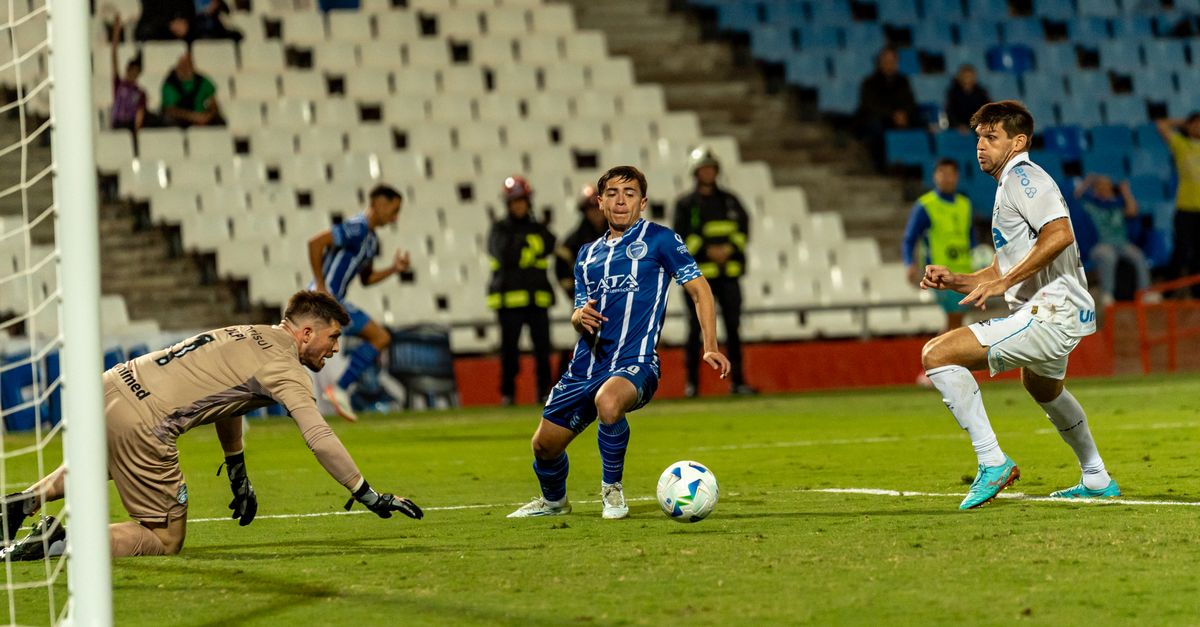
African nations have produced world‑class talent for decades, but the continent’s World Cup record tells a different story.
Coaching & Infrastructure Gaps
For most of the tournament’s history, African federations have looked abroad for tactical direction. The shortage of qualified local coaches meant that even when a nation boasted players like Samuel Eto’o or Didier Drogba, the team’s strategic framework lagged behind European rivals. Recent appointments of home‑grown managers—such as the Senegalese coach who guided his side to a tightly contested group stage in 2022—show how a deeper understanding of domestic playing styles can bridge the gap.
The infrastructure deficit compounds the problem. Many national leagues operate on semi‑professional budgets, with training grounds lacking modern pitch technology, sports science departments, and reliable medical support. When a squad assembles for a pre‑World Cup camp, the disparity in preparation time and quality becomes evident on the field.
Financial & Travel Hurdles
Travel logistics present a hidden hurdle. African teams often embark on lengthy journeys, crossing multiple time zones with limited financial backing. The cost of chartering flights, securing accommodation and arranging nutrition stretches thin the already modest federation budgets. Consequently, squads sometimes arrive later than their opponents, giving them fewer days to acclimatise.
“When the crowd roars, the pitch becomes a battlefield of pride, not just skill.”
These constraints also affect squad depth. A typical African 23‑man roster may lack the bench quality to sustain intensity for the full 90 minutes, a pattern highlighted by the Guardian’s observation that many sides fade in the final quarter of matches. The lack of depth is directly linked to financial limitations that prevent the development of a robust youth pipeline and competitive domestic league.
Recent Progress & Home‑grown Success
The 2010 World Cup in South Africa marked a turning point. Host nation’s automatic qualification and the ensuing surge of national pride sparked a renewed investment in coaching courses and facility upgrades across the continent. Morocco’s fourth‑place finish in Qatar 2022—its best ever—exemplifies how strategic planning and a locally‑appointed coach can translate talent into results.
Cameroon, with eight World Cup appearances, remains the continent’s most seasoned participant, yet even they have struggled to break past the round of 16. The contrast between historic underperformance and the emerging competitiveness of teams like Senegal, Ghana and Nigeria underscores a gradual but decisive shift.
For a deeper look at how African football culture shapes these changes, see our piece on Why did Nigeria's 2018 jersey become iconic? and the broader impact of coaching philosophies in Why is Pep Guardiola considered revolutionary?.