
Football
All things football on SportCells — reports, transfers, analysis and the explainers behind the world’s game.
 Football Explained
Why do ultras create huge tifos?
Ultras create huge tifos to show their love and support for their club, often as part of a choreographed display in the stands, and to add to the atmosphere of a match, with planning and experience playing a key role in their creation.
Read more →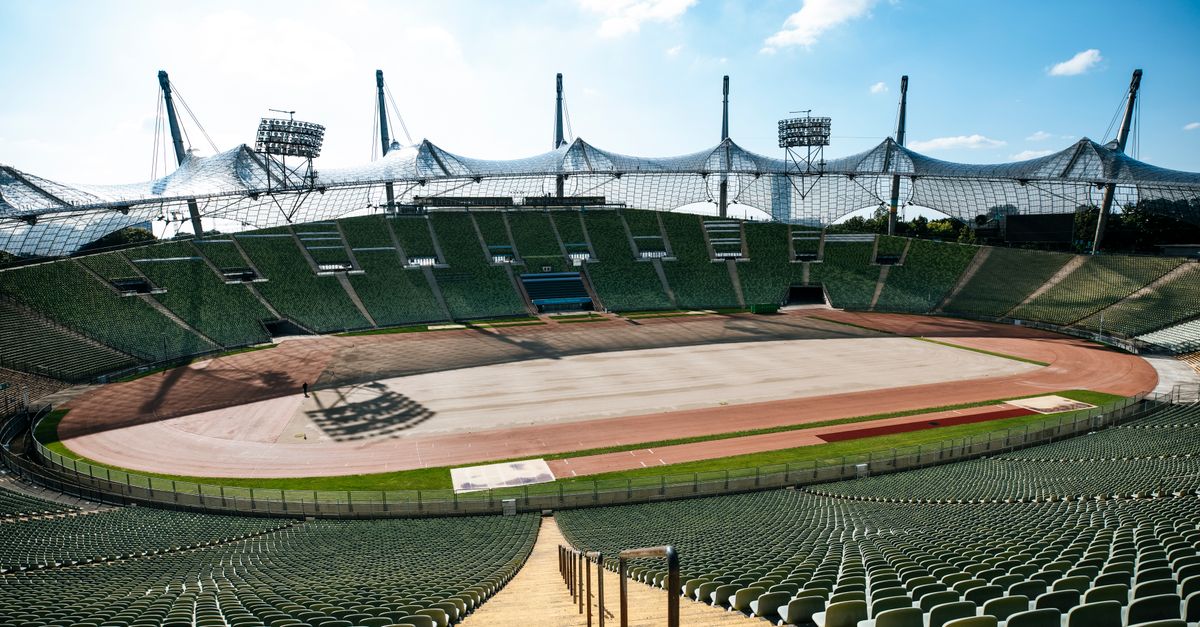 Football Explained
Why does Bayern Munich feature Bavarian diamonds?
Bayern Munich features Bavarian diamonds as a tribute to their homeland, incorporating the symbol into their kit and crest, reflecting the club's rich history and cultural heritage, with the diamonds being part of the Bavarian flag and the club's crest.
Read more →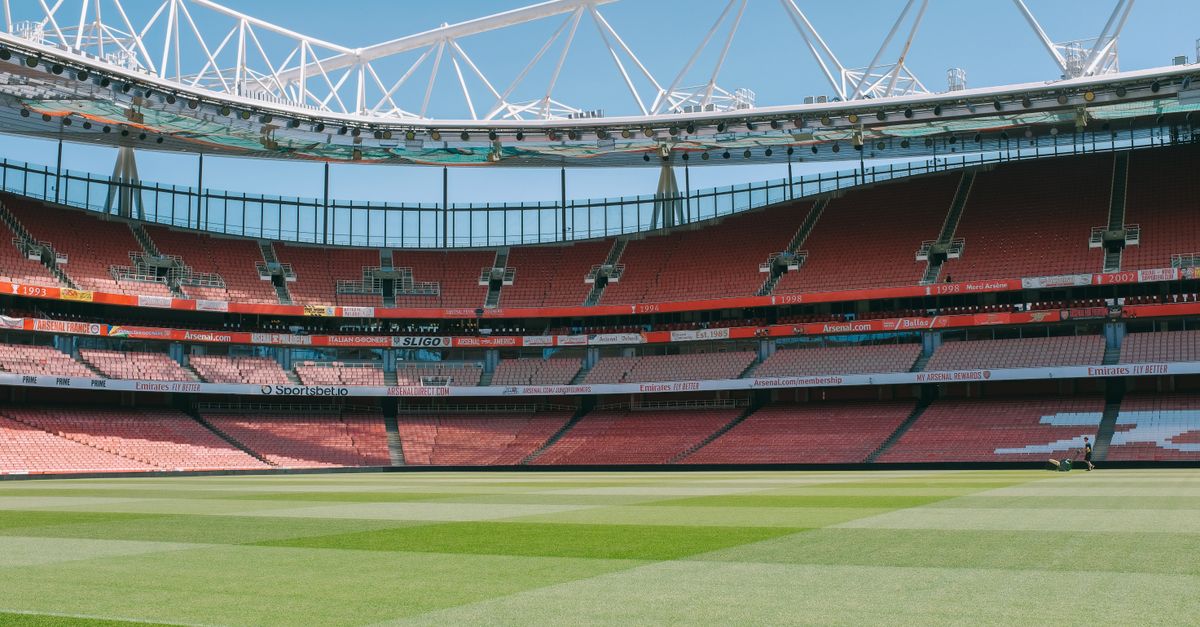 Football Explained
Why is the North London Derby so heated?
The North London Derby is a heated football rivalry between Arsenal and Tottenham Hotspur, with a history of intense matches and a backdrop of searching questions about character and nerve, making it a test of every quality required to win the title.
Read more →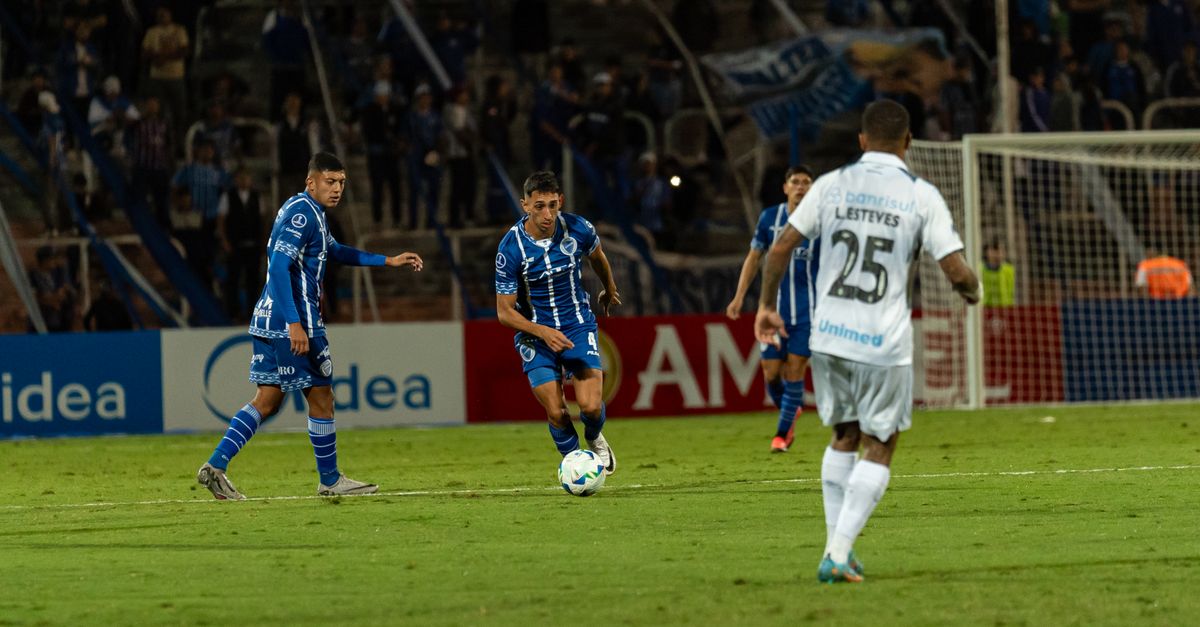 Football Explained
Why is FC Porto called "Dragões"?
FC Porto’s “Dragões” moniker stems from the dragon emblazoned on its crest, a symbol that has shaped the club’s identity, stadium design and fan culture since the early 20th century.
Read more → Football Explained
Why is R9 Ronaldo's 2002 comeback considered legendary?
R9 Ronaldo's 2002 comeback is considered legendary due to his remarkable recovery from career-threatening knee injuries, leading Brazil to World Cup glory and cementing his status as a football icon.
Read more →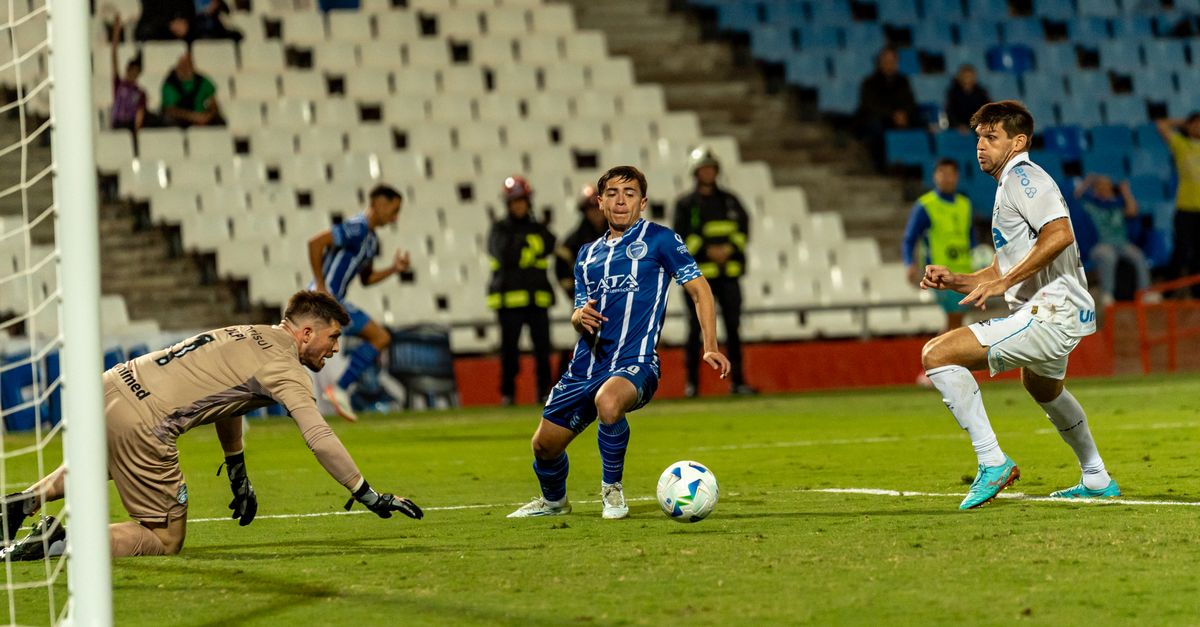 Football Explained
Why did the Golden Goal fail?
The Golden Goal rule was introduced by FIFA in 1993 to make extra time more exciting, but it failed to achieve its purpose and was abolished in 2004 due to teams adopting overly cautious strategies, leading to a decrease in attacking play and an increase in defensive tactics.
Read more → Football Explained
Why is the Milan Derby unique?
The Milan Derby is unique due to its intense rivalry between Inter Milan and AC Milan, sharing the iconic San Siro stadium, and being one of the most intense games in football, with a special atmosphere that cannot be replicated.
Read more → Football Explained
Why is Barcelona called "Blaugrana"?
Discover why FC Barcelona is known as "Blaugrana", a nickname that reflects the team's iconic blue and garnet colors, and explore the history behind this unique identity.
Read more → Football Explained
Why was Arrigo Sacchi so influential despite never being a professional player?
Arrigo Sacchi reshaped football with high‑pressing, zonal marking and a collective mind‑set, proving a coach can out‑think a player‑turned‑tactician.
Read more → Football Explained
Why does Concacaf have two separate national team tournaments?
CONCACAF runs both the Gold Cup and Nations League: the historic biennial championship and a newer league‑format that guarantees games, promotes movement and feeds Gold Cup spots.
Read more → Football Explained
Why do football defeats hurt more than victories feel good?
Defeats sting because our brains treat loss like physical injury, weigh it twice as heavily as a win, and amplify the pain when expectations or rivalries are at stake.
Read more → Football Explained
What if Yugoslavia had stayed united?
What if Yugoslavia had never fractured? A united Balkan nation could have kept its footballing powerhouse alive, reshaping clubs, the national side and the region’s sporting identity.
Read more → Football Explained
Why has no Asian team reached a World Cup final?
Asian nations have never topped a World Cup final, hampered by limited elite exposure, structural gaps and a historic focus on other sports, leaving the semi‑final run of South Korea in 2002 as the lo
Read more → Football Explained
Why is Brazil called "Seleção Canarinho"?
Discover why Brazil's national football team is nicknamed "Seleção Canarinho", a name that originated from the country's national bird, the canary, and its vibrant yellow plumage, which resembles the team's iconic yellow jersey.
Read more → Football Explained
Why did Mussolini use the 1934 World Cup politically?
1934’s Italy World Cup was a fascist showcase – Mussolini turned football into a stage for power, modernity and the myth of a new Roman empire. World stage.
Read more → Football Explained
Why is Croatia's jersey checkered?
Discover the story behind Croatia's iconic red and white checkered football jersey, a unique design inspired by the country's coat of arms and rich history, making it a standout in international football.
Read more →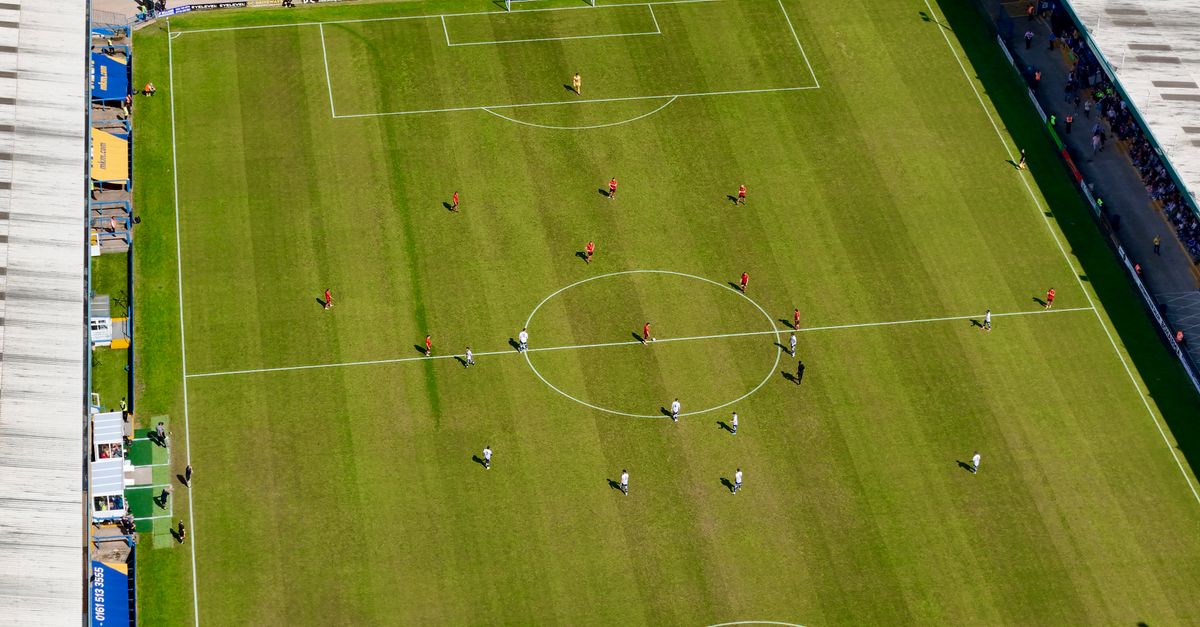 Football Explained
Why does the United Kingdom have four FIFA teams?
The United Kingdom has four national football teams: England, Scotland, Wales, and Northern Ireland, competing separately in international tournaments like the FIFA World Cup, due to the country's unique history and the origins of international soccer.
Read more → Football Explained
What if Marco van Basten had played until 35?
Marco van Basten's career was cut short due to injury, but what if he played until 35, would he have surpassed Cristiano Ronaldo's achievements, and how would his legacy be viewed today in the context of football history and the FIFA World Cup
Read more → Football Explained
Why are away fans separated?
Away fans are separated from home fans for safety reasons, following a history of violence and incidents in English football stadiums, with measures including segregated seating and police escorts to prevent clashes between rival supporters.
Read more → Football Explained
Why was Leicester City's 2016 Premier League title considered a miracle?
Leicester’s 2016 Premier League triumph, on a £80 million wage bill and 5,000‑1 odds, turned a club that had barely escaped relegation into football’s miracle.
Read more → Football Explained
Why was the first World Cup held in Uruguay?
The first FIFA World Cup was held in Uruguay in 1930 due to a combination of factors, including the country's football success and its willingness to help with travel expenses, making it a memorable and historic event in the world of football.
Read more → Football Explained
Why was the 1934 World Cup controversial?
Italy’s 1934 World Cup was tainted by Mussolini’s fascist show‑piece, dubious refereeing and Uruguay’s boycott, leaving a legacy of politics over the sport.
Read more → Analysis
World Cup 2026 Final – 19 July 2026
Spain clinched the FIFA World Cup 2026 with a 1-0 extra-time win over Argentina, sealing the tournament in drama on 19 July as fans celebrated worldwide.
Read more → Match Reports
Spain 1-0 Argentina World Cup 2026 final
Spain lifted the FIFA World Cup 2026 trophy, beating Argentina 1-0 after extra time in the final at MetLife Stadium. Ferran Torres scored the decisive goal.
Read more →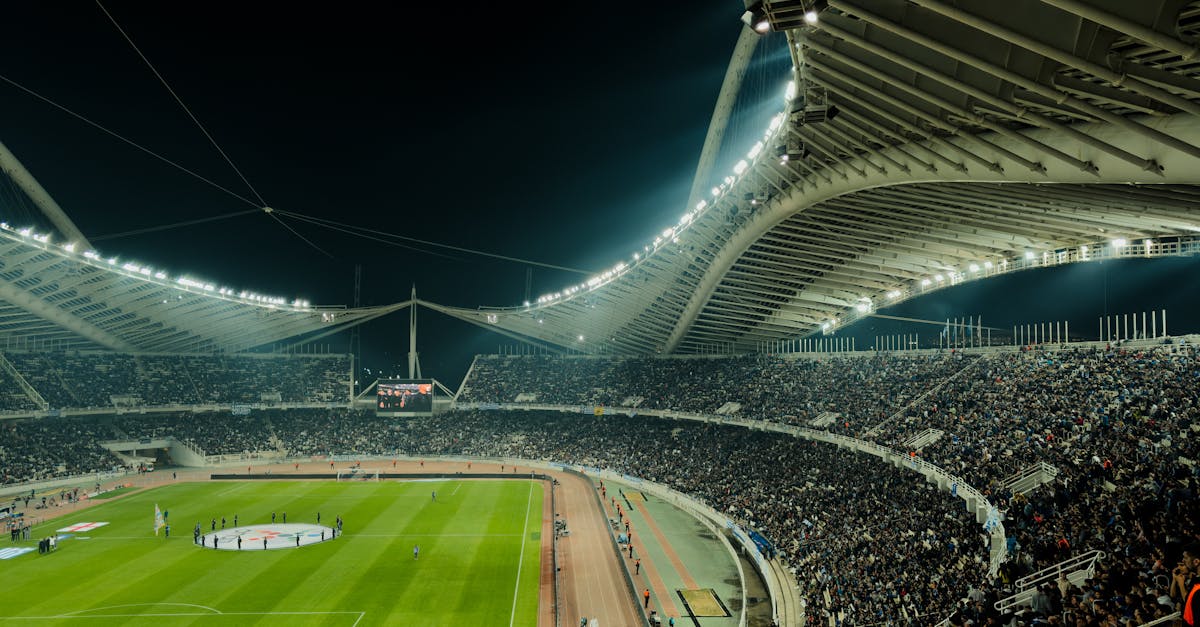 Football Explained
Why do stadiums have nicknames?
Stadium nicknames blend history, local colour and commercial savvy, turning concrete bowls into living symbols that fans chant, remember and fiercely protect.
Read more → Football Explained
Why is Arsenal called "The Gunners"?
Discover why Arsenal is called "The Gunners", a nickname rooted in the club's founding by munitions workers in 1886, and explore the history behind this iconic name.
Read more → Football Explained
Why do players choke during penalties?
Players miss penalties not because they lack skill, but because anxiety, heightened pressure and a split‑second loss of visual focus hijack the brain at the decisive moment.
Read more → Football Explained
Why does Manchester United F.C. have a devil?
Manchester United's logo features a devil, a nickname that originated from Sir Matt Busby in the 1960s, symbolizing the team's fierce and determined spirit, with a rich history and context that makes it memorable.
Read more → Football Explained
Why is deadline day such a chaotic spectacle in football?
Transfer deadline day erupts into a frenzy of last‑minute deals, frantic paperwork and high‑stakes bargaining – a spectacle that keeps fans glued to their screens until the final whistle blows.
Read more →France 4-6 England – third-place play-off, FIFA World Cup 2026
England secured third place at the FIFA World Cup 2026, beating France 6-4 in a play-off at Hard Rock Stadium, Miami Gardens. The match ended the tournament.
Read more →