
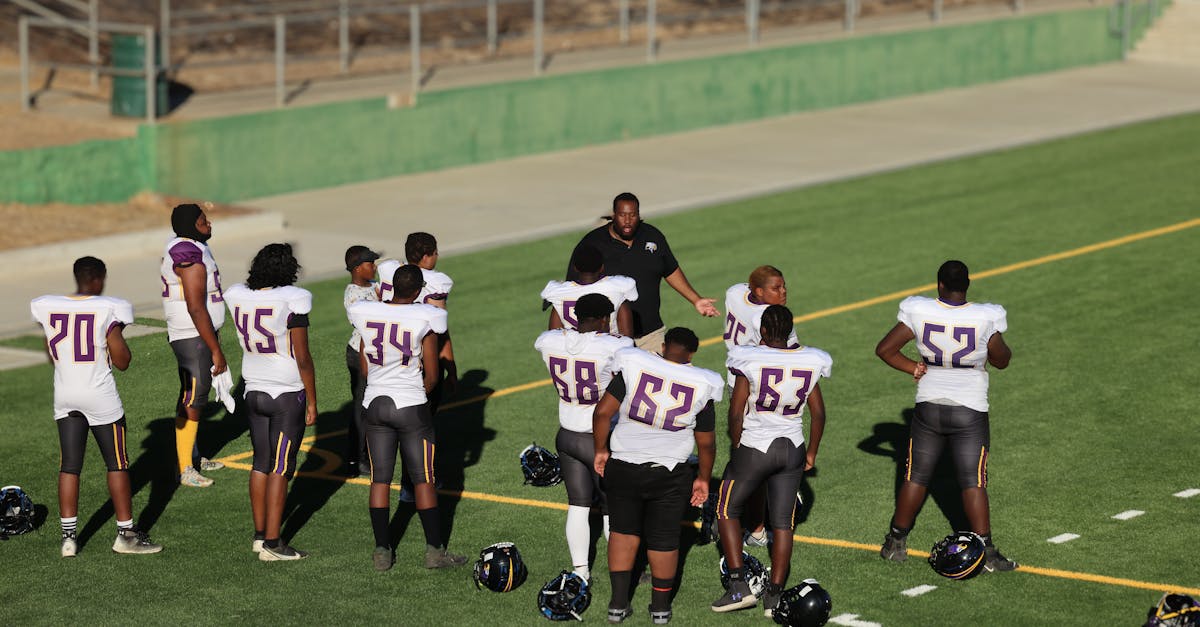
দর্শকদের গর্জন প্রায়ই প্রশিক্ষণ ময়দানের শান্ত আলাপচারিতাকে ঢেকে দেয়, কিন্তু সেই আলাপচারিতাই একটি মৌসুমের ভাগ্য গড়ে তোলে।
দৈনন্দিন ইঞ্জিন
একজন সহকারী কোচের ক্যালেন্ডার লজিস্টিক্সের এক নিখুঁত পাঠের মতো।
যখন প্রধান কোচ প্রতিপক্ষের ভিডিও পর্যালোচনা করেন, তখন সহকারী কোচ উষ্ণতা ব্যায়াম তদারকি করেন, ব্যক্তিগত কাজের পরিমাণ পর্যবেক্ষণ করেন এবং নিশ্চিত করেন যে প্রতিটি খেলোয়াড় ব্যক্তিগতকৃত প্রতিক্রিয়া পান।
এই হাতে-কলমে ভূমিকা তাদেরকে প্রতিরক্ষকের সেট-পিস ড্রিলে দ্বিধা চিহ্নিত করতে সহায়তা করে, ম্যাচে তা ব্যয়বহুল ভুলে পরিণত হওয়ার আগে।
পিচের বাইরে, সহকারীরা ড্রেসিং রুম এবং বোর্ডের মধ্যে সংযোগকারী হিসেবে কাজ করেন।
তারা প্রায়শই চুক্তি আলোচনা, পারিবারিক বিষয় বা মানসিক স্বাস্থ্যের উদ্বেগ জানিয়ে থাকেন, যা একটি নিরাপত্তা জাল তৈরি করে যা দলকে মনোযোগী রাখে।
তাদের উপস্থিতি তরুণ খেলোয়াড়দের আশ্বস্ত করে, যারা অন্যথায় উচ্চ-চাপের পরিবেশে হারিয়ে যেতে পারে।
কৌশলগত মস্তিষ্কের দল
আধুনিক ফুটবল একটি তথ্য-চালিত মঞ্চ। যখন ম্যানেজার সামগ্রিক কৌশল নির্ধারণ করেন, সহকারীরা সংখ্যাগুলো বিশ্লেষণ করেন: পাসিং ম্যাপ, প্রেসিং ট্রিগার, এবং প্রতিপক্ষের প্রবণতা। ড্রিল পর্যবেক্ষণ করে তারা প্যাটার্ন চিহ্নিত করেন – মিডফিল্ডারের পার্শ্বে সরে যাওয়ার প্রবণতা, স্ট্রাইকারের এক-অন-এক পরিস্থিতিতে পছন্দের পা – এবং এই অন্তর্দৃষ্টি হেড কোচকে জানিয়ে দেন।
"সহকারী হল সেই কান, যা শিসের আওয়াজে যা বলা যায় না তা শোনে।"
এই সহযোগী লুপ ফিডব্যাক চক্রকে সংক্ষিপ্ত করে। ম্যাচ-পরে ডিব্রিফের জন্য অপেক্ষা না করে, ম্যানেজার সহকারীর পর্যবেক্ষণের ভিত্তিতে সপ্তাহের মাঝামাঝি প্রেসিং ট্রিগার সামঞ্জস্য করতে পারেন, ফলে দল প্রতিদ্বন্দ্বীদের থেকে এক ধাপ এগিয়ে থাকে।
খেলোয়াড় উন্নয়ন ও কল্যাণ
যুব সংযোজন আরেকটি ক্ষেত্র যেখানে সহকারী কোচরা উজ্জ্বল হন। তারা প্রায়ই রিজার্ভ এবং U-23 সেশন পরিচালনা করেন, অ্যাকাডেমি ও প্রথম দলে ফুটবলের মধ্যে ফাঁক পূরণে প্রোগ্রামগুলি মানিয়ে নেন। উদীয়মান প্রতিভাদের সাথে তাদের দীর্ঘমেয়াদী সম্পর্ক বিশ্বাস গড়ে তোলে, যা রূপান্তরকে মসৃণ করে।
একটি সুপরিচিত প্রথা হলো আঘাত থেকে সেরে ওঠার সময় একজন সিনিয়র খেলোয়াড়কে সহকারী কোচের সাথে জোড়া লাগানো। সহকারী কোচ পুনর্বাসনের অগ্রগতি পর্যবেক্ষণ করেন, প্রশিক্ষণের লোড সামঞ্জস্য করেন এবং খেলোয়াড়কে মানসিকভাবে যুক্ত রাখেন, যা পুনরায় আঘাতের ঝুঁকি কমায়।
বিশ্বাসের নীরব শক্তি
সাফল্য নির্ভর করে ম্যানেজার ও সহকারীর মধ্যে রসায়নের উপর। শীর্ষ ক্লাবগুলির গবেষণায় দেখা যায়, যারা সক্রিয়ভাবে সহকারীর কথা শোনেন—তাদের লক্ষ্য ও উদ্যোগকে স্বীকৃতি দেন—তারা গভীরতর বিশ্বাস গড়ে তোলেন এবং উচ্চতর জয়ের শতাংশ অর্জন করেন।
এই বন্ধনকে শক্তিশালী করতে চাওয়া ক্লাবগুলির জন্য পরামর্শটি সহজ: প্রতিটি সহকারীর শক্তি বুঝতে সময় ব্যয় করুন, তাদেরকে ম্যানেজারের অনুকরণে গড়ার চেষ্টা না করে।
অফ-ফিল্ড সিদ্ধান্তগুলি কীভাবে খেলা গঠন করে তা জানতে আগ্রহী? কেন ইংল্যান্ড স্ট্যান্ডিং টেরেস বাদ দিয়েছে তা জানুন কেন ইংল্যান্ড স্ট্যান্ডিং টেরেস বাদ দিয়েছে অথবা কেন ম্যানচেস্টার ডার্বি এখন আগের চেয়ে বড় মনে হয় তা জানুন কেন ম্যানচেস্টার ডার্বি এখন আগের চেয়ে বড়।