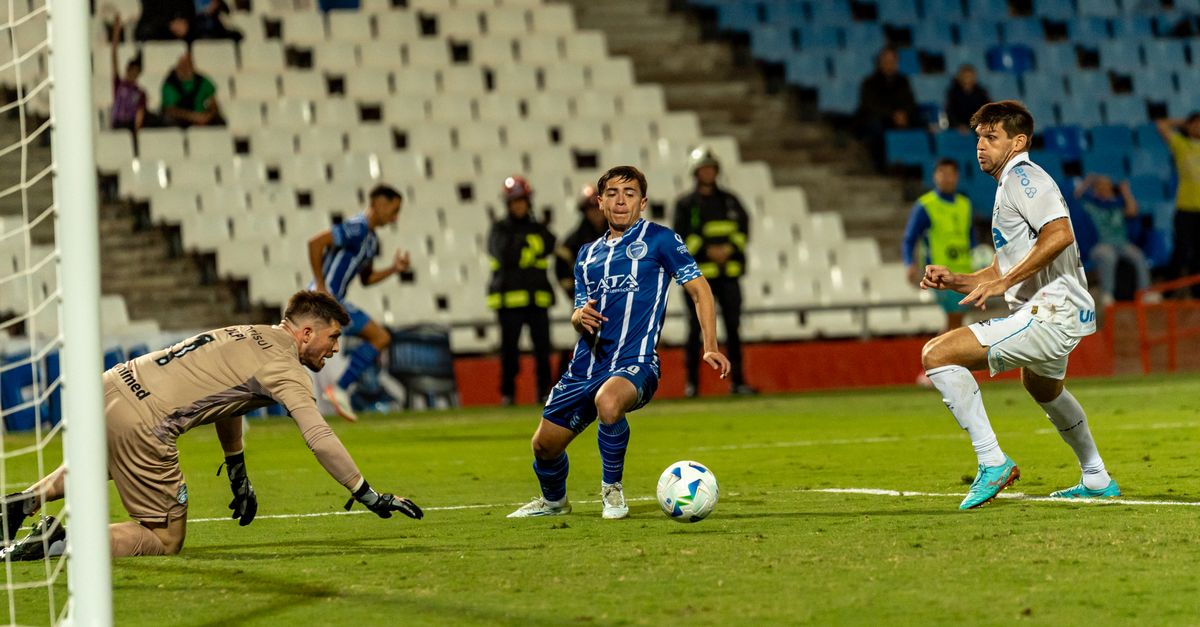
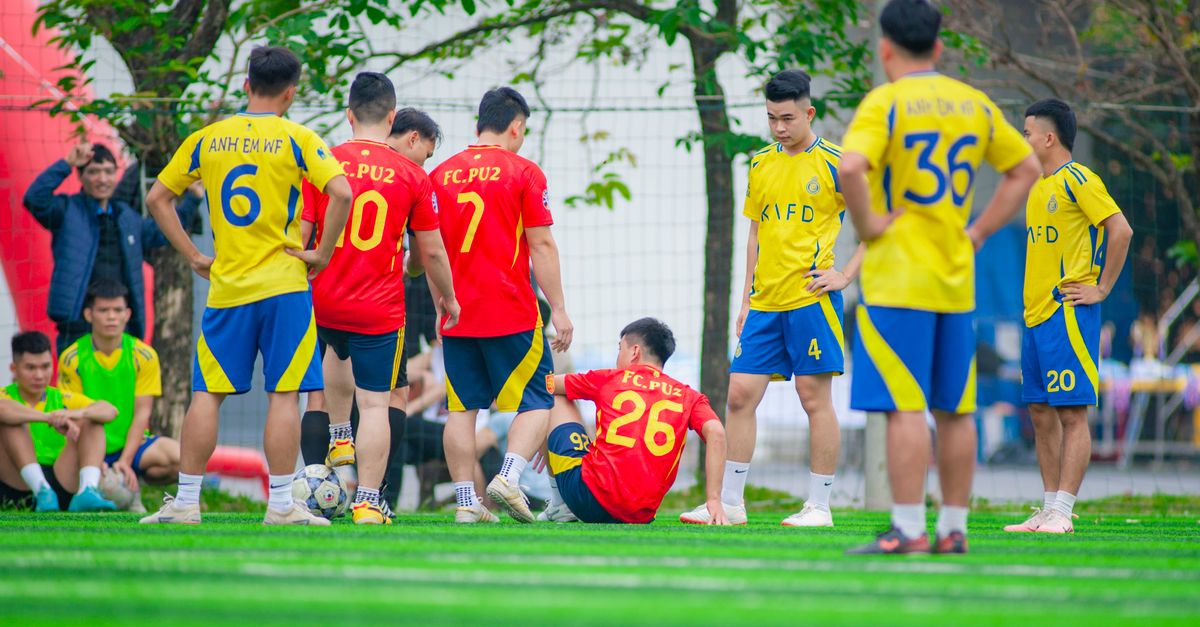
একটি দল হুডল করে দ্রুত একটি প্রার্থনা করার দৃশ্যটি খেলার আগের জাতীয় সঙ্গীতের মতোই আমাদের কাছে পরিচিত। এটি ক্যামেরার জন্য একটি অভিনয় নয়; এটি বিশ্বাস এবং যুদ্ধক্ষেত্রের মধ্যে একটি শান্ত মুহূর্ত।
এনএফএল এর আলোক যা একটি রীতিকে জাগিয়ে তুলেছিল
১৯৯০ মৌসুমের দিকে, এনএফএল-এর প্রারম্ভিক বছরগুলিতে তুলনামূলকভাবে অবস্থান থেকে ধর্মবিশ্বাসটি অগ্রসর হয়েছে। একজন দেবোত্তম খেলোয়াড় মাইক সিঙ্গলটারি, একজন ধর্মপ্রান খ্রিস্টান, একটি মঙ্গলবারের অনুশীলনের পরে একটি ছোট বৃত্তে তার সহকর্মীদের সংগঠিত করেছিলেন, শক্তি এবং রক্ষার জন্য শোষণ করেছিলেন। রেজি ওয়াইট, যাকে "ডিফেন্সের মিনিস্টার" বলা হয়, এর পরিচিত হয়েছিল, একটি উচ্চতর শক্তির বিশ্বাসের প্রতি আস্থা দুর্বলতা নয়, বরং আবেগের একটি উৎস হিসাবে প্রকাশ করেছিলেন।
[!তথ্য] প্রার্থনা হুডল, যেমন এটি একটি নাম পেয়েছিল, প্রথম প্রকাশ করেছিল একটি ১৯৯০ মঙ্গলবারের রাতের খেলায়, একটি প্রাইভেট দেবোত্তম থেকে একটি দৃশ্যমান দলীয় অনুষ্ঠানের দিকে একটি স্থানান্তর চিহ্নিত করেছিল।
এই প্রারম্ভিক গ্রহণকারীরা প্রার্থনা কে একটি কৌশলগত বিরতি পরিণত করেছিলেন—সংক্ষিপ্ত, সংগঠিত, এবং উদ্দেশ্যমূলক—খেলোয়াড়দের তাদের মানসিক তাপমাত্রা পুনরুদ্ধার করতে দেয় আগত শারীরিক ঝড়ের আগে। এই অভিনয়টি বিভিন্ন পটভূমির সহকর্মীদের সাথে সংযোগ করেছিল, যা পরবর্তীতে মহাদেশের বিস্তৃত অঞ্চলে বিস্তৃত হবে।
ব্যক্তিগত উদ্দেশ্য: ফোকাস, রক্ষা, এবং উদ্দেশ্য
অনেক অভিযোগীর জন্য, ম্যাচ আগের প্রার্থনা একটি ব্যক্তিগত তালিকা হয়ে ওঠে। "পিতা, আমাকে এবং এই মাঠের সকল খেলোয়াড়কে রক্ষা করুন," একটি সাধারণ বাক্যাংশ, যা আঘাতের আশঙ্কার সাথে সাথে নিরাপত্তার আকাঙ্ক্ষাকে প্রতিফলিত করে। এই আচার আরও একটি মানসিক চিহ্ন প্রদান করে: একটি মুহূর্তের জন্য স্টেডিয়ামকে শান্ত করা, মনকে শান্ত করা, এবং আগামী লক্ষ্যে ফোকাস করা।
[!উদ্ধৃতি] “একটি শোষিত প্রার্থনা হৃদয়কে কোনো ট্যাক্টিক্যাল ব্রিফিংগের চেয়ে আরও শান্ত করে।”
স্ব-সংরক্ষণার্থে অতিরিক্ত, খেলোয়াড়রা আরও একটি উচ্চ উদ্দেশ্য প্রকাশ করে—তাদের বিশ্বাসকে সম্মান করার জন্য প্রার্থনা করে, খেলার মাধ্যমে স্পোর্টসম্যানশিপ প্রদর্শন করে, এবং শত্রুদের সম্মান করে। এই পাবলিক মূল্যবোধের ঘোষণা একটি দলের পরিচয়কে গঠন করতে পারে, যা ধারণা প্রতিফলিত করে যে খেলাটি আরও বিস্তৃত নৈতিক প্রকাশের একটি প্ল্যাটফর্ম।
আমেরিকা থেকে বিশ্বের দিকে: একটি বহুধর্মী বিকাশ
এফএনএল-এর প্রকাশ্য প্রার্থনা চক্র সমস্ত সম্প্রদায়ের মানুষের চোখে পড়েছে, যা বিশ্বব্যাপী সম্প্রদায়ের মানুষকে বিশ্বব্যাপী প্রভাবিত করেছে। ইউরোপ, দক্ষিণ আমেরিকা এবং এশিয়ার ক্লাবগুলিও এই ধরনের নিজস্ব সংস্করণ গ্রহণ করেছে। প্রিমিয়ার লিগে, মুসলিম খেলোয়াড়রা খেলার শুরুর আগে একটি দ্রুত সুজুদ করতে পারেন, যখন ক্যাথলিক বা প্রোটেস্ট্যান্ট সহখেলোয়াড়রা একটি সংক্ষিপ্ত রোসারি করতে পারেন। এই অনুশীলনটি এখন খেলার বৈশ্বিক বৈচিত্র্যের প্রতিফলন করে, একটি একক চিহ্নকে একটি সাংস্কৃতিক অভিব্যক্তির একটি টেপেস্ট্রিতে পরিণত করে।
এই অনুশীলনে অংশগ্রহণ করে না ধর্মীয় খেলোয়াড়রা কিন্তু একটি একক বোধগম্যতা তৈরি করার জন্য, যা কোনো কৌশলগত পরিকল্পনার চেয়ে কম শক্তিশালী নয়। হাত জোড়া করে কাঁধের সাথে দাঁড়িয়ে একটি সংকল্প তৈরি করা একটি সংকল্পের মতো শক্তিশালী হতে পারে।
বিশ্বাসের কীভাবে সুন্দর খেলাটিকে প্রভাবিত করে তা সম্পর্কে আরও গভীর আলোচনার জন্য আমাদের নিবন্ধের দিকে তাকান দক্ষিণ আমেরিকায় কেন ফুটবল উত্তম জনপ্রিয়তা অর্জন করেছে এবং উত্তর আমেরিকার তুলনায়?।
আরও বিস্তৃত প্রভাব: সম্মান, খেলার মান, এবং জনসাধারণের মনোভাব
যখন একটি দল একসাথে গড়িয়ে নামতে থাকে, তখন এই অভিনয় একটি বার্তা পাঠায় যা মাঠের বাইরেও পৌঁছায়। এটি দেখায় যে খেলোয়াড়রা শুধুমাত্র প্রদর্শনীকারী নয়, বরং তারা ব্যক্তিগত বিশ্বাসের মালিক। এই ধরনের প্রার্থনা দেখানোর জন্য দর্শকরা বিশ্বাসের বিষয়ে আলোচনা করতে উত্সাহিত হয়, যা বিভিন্ন পটভূমির দর্শকদের মধ্যে সহিষ্ণুতা এবং বোঝাপড়া বৃদ্ধি করে।