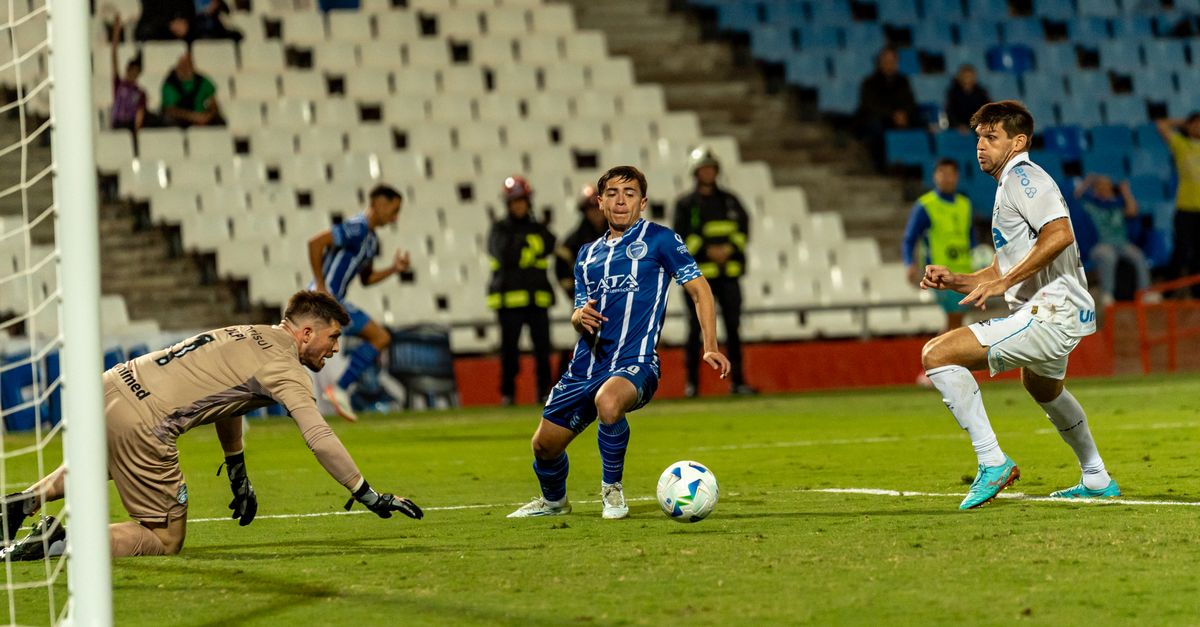
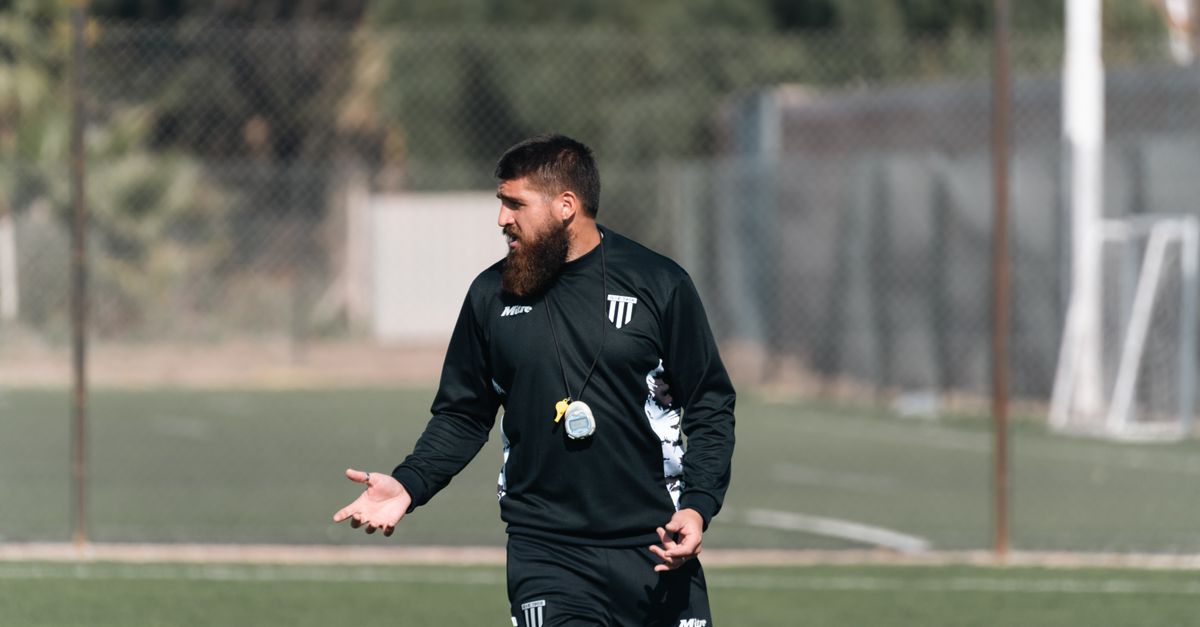
দর্শকদের গর্জন এক ম্যাচেই নীরবতায় রূপান্তরিত হতে পারে, আর ক্লাবগুলো প্রায়ই প্রতিধ্বনি মিলিয়ে যাওয়ার আগেই পদক্ষেপ নেয়।
আজকের খেলায় ম্যানেজারের ভাগ্য পরবর্তী ফলাফলের মতোই দ্রুত নির্ধারিত হয়।
আধুনিক ফুটবলের চাপের কুকার
প্রিমিয়ার লিগ থেকে বুন্দেসলিগা পর্যন্ত, ক্যালেন্ডার পুনর্গঠনের জন্য সামান্য সময় দেয়।
জুলাইয়ে আগত একজন ম্যানেজার অক্টোবর পর্যন্ত চলে যেতে পারে যদি দল পয়েন্ট সংগ্রহে ব্যর্থ হয়।
পোস্টেকোগ্লু ফরেস্টে, মাত্র ৩৯ দিন ১৭ মিনিট পরে তার অষ্টম ম্যাচের পর বরখাস্ত হওয়া, দেখায় কিভাবে ক্লাবগুলো দ্রুত পদক্ষেপ নেয় যখন প্রাথমিক ফলাফলগুলো উচ্চাকাঙ্ক্ষার সাথে সংঘর্ষ করে।
মিডিয়া পর্যবেক্ষণ প্রতিটি কৌশলগত পরিবর্তনকে বাড়িয়ে তোলে।
রুবেন আমোরিমের সাম্প্রতিক বরখাস্ত শিরোনাম তৈরি করলে, বিশ্লেষকরা উল্লেখ করেন যে “চাপও ছিল জোরালো,” যা একটি প্যাটার্নকে প্রতিফলিত করে যেখানে বাহ্যিক সমালোচনা অভ্যন্তরীণ অস্থিরতাকে উস্কে দেয়।
পরিচালকরা, নিজেদের অবস্থান রক্ষা করতে আগ্রহী, প্রায়শই এমন মালিকদের সাথে মিলে যান যারা ম্যানেজারকে অগ্রগতির সবচেয়ে দৃশ্যমান লিভার হিসেবে দেখে।
“একজন ম্যানেজারের কাজ হলো ঘূর্ণায়মান দরজা; যখন আপনি ছন্দ থেকে বেরিয়ে যান, তখন ক্লাবের ধৈর্য শেষ হয়ে যায়।”
পরিসংখ্যানগত বাস্তবতা বরখাস্তের ঢেউয়ের পেছনে
সংখ্যাগুলো সন্দেহের কোনো জায়গা রাখে না। লিগ ম্যানেজারস অ্যাসোসিয়েশন অনুযায়ী, গত মৌসুমে ইংরেজি পুরুষ ও মহিলা পেশাদার ফুটবলে বরখাস্ত হওয়া ম্যানেজারদের গড় মেয়াদ ছিল 1.35 years। জার্মানিতে, জাবি আলোনসোর উত্তরসূরি তিনটি হারা ম্যাচের পরে বুন্দেসলিগায় দ্রুততম বরখাস্তের নতুন রেকর্ড স্থাপন করেন।
এমন সংক্ষিপ্ততা বৃহত্তর ব্যবসায়িক মডেলকে প্রতিফলিত করে: ক্লাবগুলো ট্রান্সফার ফি ও বেতনে বড় বিনিয়োগ করে, তাৎক্ষণিক রিটার্নের প্রত্যাশা নিয়ে। যখন নতুন সাইনিং কম পারফর্ম করে, ম্যানেজার দোষারোপের বস্তু হয়ে ওঠে। এই চক্রটি পুনরাবৃত্তি হয়, রিভলভিং-ডোর সংস্কৃতি তৈরি করে যা দীর্ঘমেয়াদি পরিকল্পনাকে নিরুৎসাহিত করে।
সাংস্কৃতিক এবং আর্থিক চালক
ফুটবল একটি সাংস্কৃতিক প্রতিষ্ঠান তেমনি একটি বাণিজ্যিক উদ্যোগ।
প্রশংসকরা একটি ম্যানেজারকে ক্লাবের পরিচয়ের রক্ষক হিসেবে দেখে; একটি ধারণাগত বিচ্যুতি অশান্তি উস্কে দিতে পারে।
একই উত্সাহ যা লিভারপুলের 'দ্য রেডস' এর জন্য গানের উত্সাহ দেয়, তা দল ব্যর্থ হলে দ্রুত পরিবর্তনের দাবিও জ্বালায়।
আর্থিকভাবে, রিগ্রেশন সম্প্রচার ও স্পনসরশিপ থেকে আয়ের প্রবাহকে হুমকি দেয়।
বিভাগ নেমে যাওয়ার ভয় মালিকদের নতুন কণ্ঠে ঝুঁকি নিতে বাধ্য করে, আশায় যে একটি নতুন পদ্ধতি মৌসুমের শেষের আগে ফর্মকে পুনরুজ্জীবিত করবে।
এই ঝুঁকি-পরিহারী মানসিকতা ব্যাখ্যা করে কেন ক্লাবগুলো কখনও কখনও মাত্র কয়েকটি ম্যাচের পর ম্যানেজারকে বদলে দেয়, দীর্ঘমেয়াদী পুনর্গঠনের অনিশ্চয়তার চেয়ে স্বল্পমেয়াদী সমাধানকে পছন্দ করে।